



The engagement on National Health Insurance (NHI) highlighted the shared commitment to transforming Botswana’s health system into one that is equitable, efficient, and people-centred.
Speaking at the courtesy call by the NHI secretariat, Minister Ketlhalefile FC Motshegwa emphasized the responsibility of Primary Health Care (PHC) in supporting the delivery of a quality health system and reaffirmed the Ministry’s full commitment to support ongoing reform efforts. He expressed appreciation for the work undertaken to address the deep contradictions that exist within society, particularly the reality that many poor and vulnerable citizens, who lack financial means, do not have adequate access to quality healthcare. As a government grounded in human rights, he underscored that ensuring equitable access to healthcare is not optional but an obligation. He described the NHI approach as a tremendous and transformative effort to correct inequalities and ensure that healthcare is not reserved for a select few, but accessible to all Batswana.
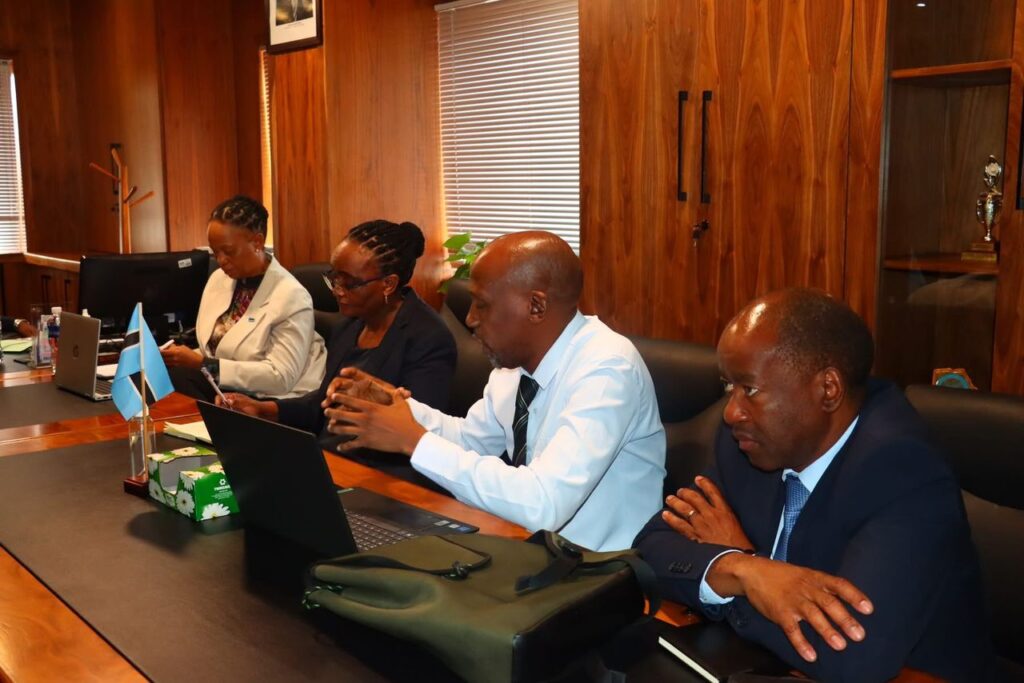
Dr Thabo Phologolo of the Botswana Institute for Development Policy Analysis (BIDPA) explained that the overarching desire behind NHI is to fundamentally change and strengthen the health system. he explained that several structures have been established to guide this process, including a reference group composed of key stakeholders and a steering committee to provide strategic oversight. The reform, he said is aligned with the aspirations of the United Nations Sustainable Development Goals, which speak directly to the mandate of Local Government and Traditional Affairs in advancing inclusive development and universal access to essential services.
The NHI is designed to incentivise healthcare provision, reduce out-of-pocket spending, improve efficiency, and ensure that resources follow the people. Its vision is one in which all Batswana enjoy optimum health through people-centred services.
He noted that although health expenditure has grown significantly over the years, value for money has not been realized. He further indicated that quality indicators have been declining, and many facilities have struggled to keep pace with infrastructure demands. As a result, Batswana are not consistently receiving the level of service they deserve. He explained that discussions around NHI have been ongoing since 2012, informed by benchmarking exercises and extensive evidence gathered over time resulting in a policy framework that is robust and grounded in accumulated research and practical lessons.

The NHI is designed to incentivise healthcare provision, reduce out-of-pocket spending, improve efficiency, and ensure that resources follow the people. Its vision is one in which all Batswana enjoy optimum health through people-centred services. The system must care sufficiently to follow patients throughout their care journey rather than serving them only at isolated points of need. Universalism and equity are central guiding principles, and participation must be mandatory to ensure solidarity and effective single-source pooling of funds.
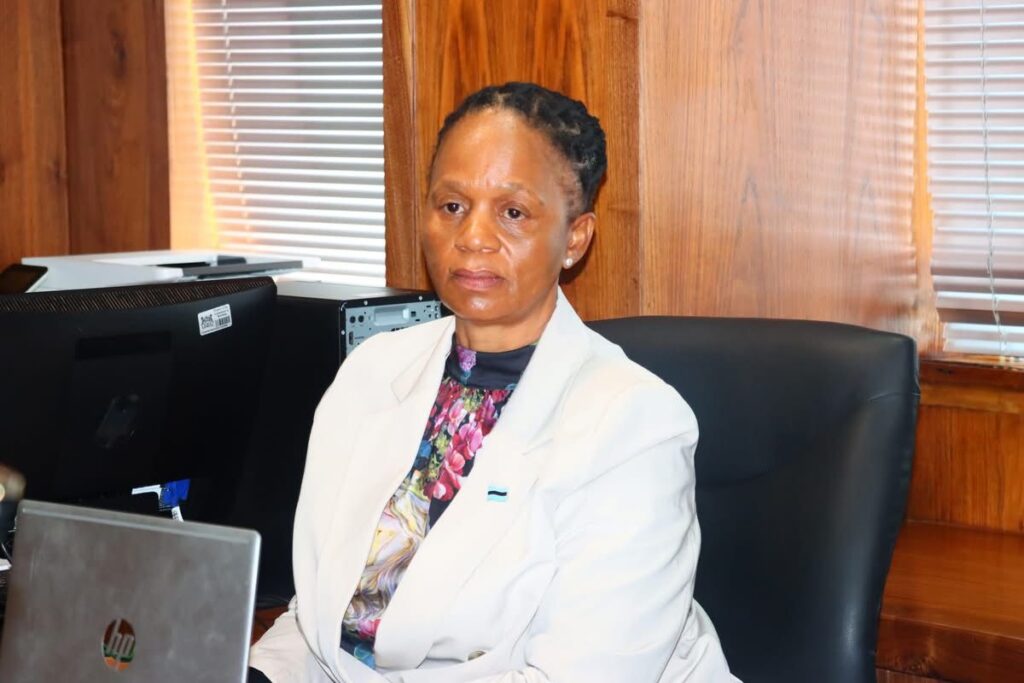


Dr Phologolo stated that this reform is substantial and will be piloted carefully. A key strategic objective is to position Primary Health Care as the anchor of the health system. Local Government is critical because service delivery lies at the heart of its mandate, and many services will continue to be delivered through the Ministry due to its proximity to communities. However, there will need to be formal contracting arrangements linked to funding, with output- and performance-based financing to ensure accountability. The current system, which largely operates on walk-ins and reactive, event-based care, must evolve toward structured gatekeeping and referral pathways that promote continuity and quality of care.
The question of how funds are apportioned is central to the reform. Health authorities and clinics will need to serve as strong gatekeepers, supported by clinical audits, supervision, and oversight mechanisms that strengthen quality. Equity will also require practical measures such as means testing to determine who should be fully funded by government and who should contribute according to their ability, in alignment with existing social welfare programmes.


