



Maun — Beneath the optimism and policy ambition at this year’s Hospitality and Tourism Association of Botswana (HATAB) conference was a sharper message: Botswana’s tourism sector says growth will depend as much on fixing the state as it does on attracting visitors.
While the conference theme focused on reshaping Botswana’s tourism landscape, much of the debate in Maun centred on something more practical — regulation, investment bottlenecks and whether government can move quickly enough to unlock the sector’s potential.
The subtext was clear: reform is now the industry’s biggest tourism issue.
For operators, the concerns are familiar. Slow lease renewals, cumbersome approvals, strained infrastructure and uncertainty around user fees have long dogged the sector.
“The constraints affecting tourism growth are not due to a lack of ambition,” he said. “They are rooted in bottlenecks around land, approvals, procurement, legal interpretation and institutional coordination.”
But what made this year’s conference different was the degree to which those concerns moved from corridor conversations to centre stage.
Environment and Tourism Minister Wynter Mmolotsi acknowledged as much in unusually candid remarks, conceding that many of the barriers holding back growth are institutional.
“The constraints affecting tourism growth are not due to a lack of ambition,” he said. “They are rooted in bottlenecks around land, approvals, procurement, legal interpretation and institutional coordination.”
For a government often more comfortable speaking in targets than obstacles, it was a notable admission.
It also reflected growing pressure to show that Botswana’s economic diversification agenda can be translated into practical reforms.
Tourism sits at the centre of that pressure.
Under the Botswana Economic Transformation Programme, the sector is expected to become a major driver of jobs, investment and GDP growth.
But industry players have increasingly argued those ambitions are incompatible with a regulatory environment they say often works against investors.
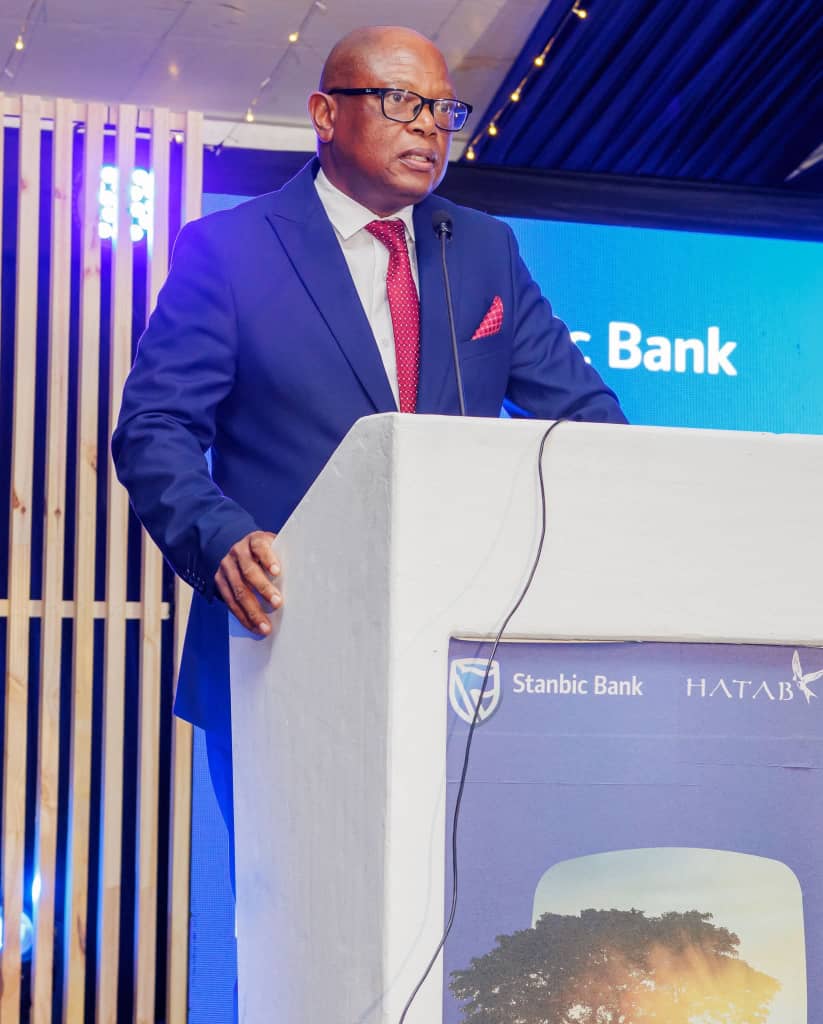
New HATAB chair Lawrence Lecha made that case directly.
“We must foster an environment where investment is not just welcomed, but seamlessly facilitated,” he said. “Doing business in tourism should be defined by efficiency and nimbleness rather than bureaucracy.”
It was both a policy plea and a warning.
Botswana’s tourism model has historically relied on scarcity, exclusivity and conservation value. But as regional competition intensifies and new markets emerge, operators are pressing for a system able to respond faster.
That urgency has only grown as government itself pushes diversification beyond luxury safari tourism into conferencing, city tourism, heritage and sport.
Expanding the model, delegates argued, will require a different regulatory architecture.
One flashpoint remains land.
Lease renewals, particularly in concession areas, continue to create anxiety for operators, many of whom say uncertainty around tenure discourages long-term investment.
“HATAB remains government’s primary partner in the formation of tourism policies,” he said, while urging authorities to ensure industry views are incorporated in laws and regulations affecting the sector.
Mmolotsi said progress was being made following cabinet intervention, though he acknowledged the pace remained slow.
“The pace is not yet where it needs to be,” he said.
User fees have also become a sensitive issue.
After stakeholder pushback forced government to delay implementation of revised fees in the environment and tourism sector, officials used the conference to reassure operators that consultations had reshaped the framework and a validation process would follow next month.
The message was conciliatory, but it underscored a broader pattern: policy in the sector increasingly has to be negotiated.
That may reflect the growing leverage of an industry positioning itself not simply as a stakeholder, but as a partner in economic planning.
Lecha leaned into that framing.
“HATAB remains government’s primary partner in the formation of tourism policies,” he said, while urging authorities to ensure industry views are incorporated in laws and regulations affecting the sector.
That relationship may soon be tested by the promised review of the Tourism Act, which government says will begin in May.
For operators, the review is an opportunity to address long-standing complaints around outdated legislation.
For government, it is a test of whether reform can move beyond consultation.
There are fiscal pressures complicating all of this.
Public finances remain constrained, affecting maintenance of roads, campsites and protected area infrastructure, issues that directly affect the visitor experience.
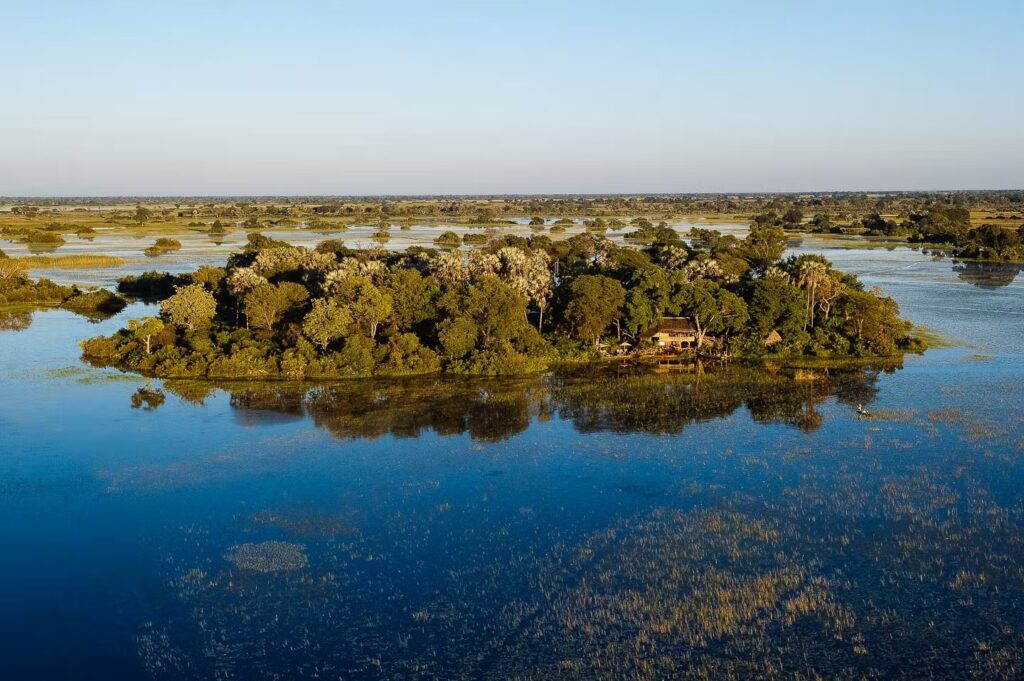
Mmolotsi acknowledged the funding shortfall bluntly.
“That is not merely a funding gap. It is a structural challenge,” he said.
That has pushed public-private partnership models back into focus, alongside calls for new financing mechanisms and greater co-responsibility in managing tourism assets.
If conservation once dominated the sector’s politics, governance now appears to be catching up.
Even discussions around citizen participation took on a reform lens.
While government highlighted growth in citizen-owned enterprises, there was recognition that participation in the sector’s most lucrative segments remains limited.
For many delegates, that is not only an empowerment issue, but a structural one tied to how concessions, capital and access are organised.
It also feeds into a larger debate about who benefits from Botswana’s tourism success.
What emerged in Maun, then, was less a celebration of tourism’s promise than a negotiation over what must change for that promise to be realised.
The industry wants growth, but it also wants the state to move differently.
Government says it understands the challenge.
Whether that translates into faster approvals, clearer rules and deeper reform may determine whether Botswana’s tourism ambitions remain conference rhetoric or become economic reality.


