
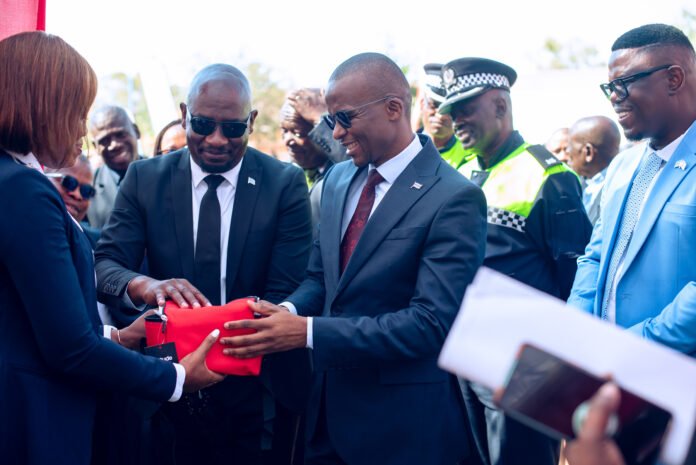


Botswana’s renewed drive to diversify its economy is increasingly shifting beyond urban centres, with Government placing rural industrialisation at the heart of its strategy to stimulate economic growth, create jobs and build resilient village economies.
This vision was central to the inaugural Bobirwa District Rural Development Summit in Mmadinare, where government leaders, traditional authorities, development partners, private sector representatives and community members met to advance rural development under the theme ‘Developing and Empowering Communities.’
Vice President Ndaba Gaolathe described the summit as more than a consultative forum, stating it serves as a platform to align government, communities and development partners around a shared vision for inclusive and sustainable rural development.
He emphasised Mmadinare’s potential as a hub for citrus and cotton production, noting these industries could attract investment, create jobs and drive economic activity in the Bobirwa region.
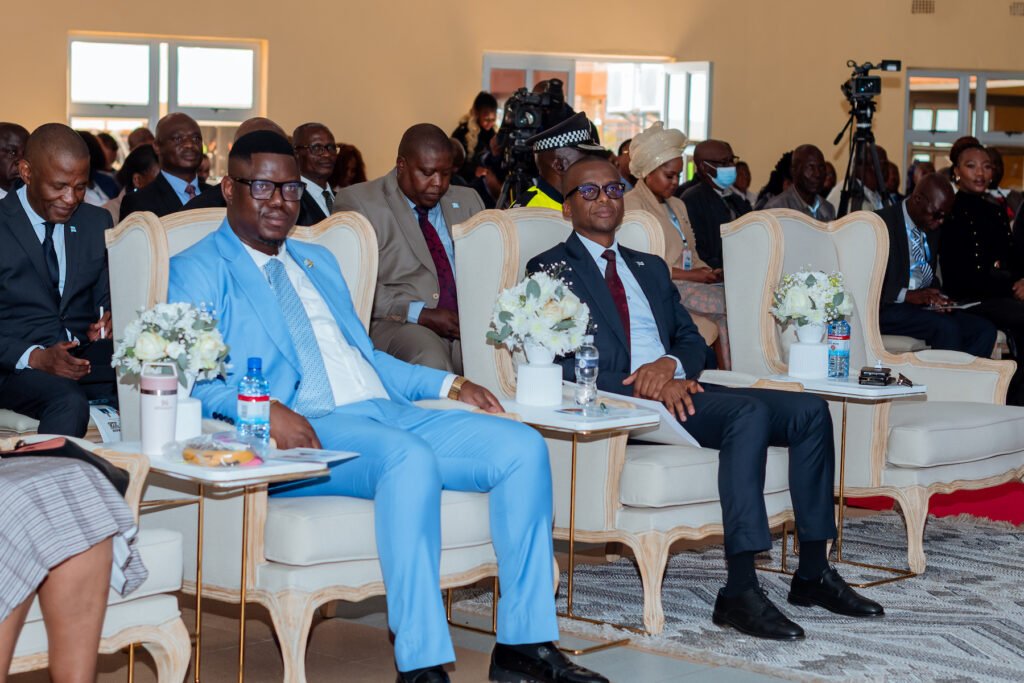
The summit follows Parliament’s adoption of the Revised National Policy for Rural Development, which emphasises rural industrialisation to transform village economies, reduce rural-to-urban migration and create local economic opportunities.
Government’s renewed focus on rural industrialisation reflects a development model that has helped several emerging economies create jobs, reduce poverty and diversify their economies. The World Bank has consistently identified value addition, financial inclusion and SME development as key drivers of sustainable rural transformation.
Rwanda is widely regarded as one of Africa’s success stories. Through its “Made in Rwanda” strategy, the country has strengthened agro-processing, manufacturing and SME development, creating jobs while adding value to locally produced goods instead of exporting raw commodities.
Similarly, Ethiopia used agriculture as the foundation for industrialisation by investing in agro-processing and manufacturing value chains. The approach demonstrated how rural production can stimulate broader industrial growth and employment.
Minister of Local Government and Traditional Affairs, Ketlhalefile Motshegwa, stated that “the policy marks a fundamental shift by prioritising community-led enterprise, citizen economic empowerment and sustainable livelihoods.”
He outlined the government’s broader agenda to rebuild the economy by strengthening village economies, aligning education with labour market needs, expanding vocational training, improving social protection and enhancing community development services.
Minister of Local Government and Traditional Affairs, Ketlhalefile Motshegwa, stated that “the policy marks a fundamental shift by prioritising community-led enterprise, citizen economic empowerment and sustainable livelihoods.”
For Bobirwa, the Minister identified key interventions to support rural industrialisation, including better access to potable water, resolving land allocation issues, addressing foot-and-mouth disease and human-wildlife conflict, strengthening border security to prevent stock theft and developing road infrastructure to boost agriculture and trade.
The government also plans to promote tourism and local enterprise through initiatives such as the Mmadinare Adventure Walk and dam-based tourism.
The summit highlighted the importance of partnerships in turning policy into economic results. Presentations covered cooperative development, investment promotion and financial inclusion, while discussions addressed value addition, sustainable resource management and expanding local enterprises into regional and international markets.
For Botswana, the Bobirwa model seeks to unlock value across sectors such as agriculture, tourism, mining and manufacturing by strengthening local value chains, empowering cooperatives and supporting entrepreneurship.
If successfully implemented, it has the potential to transform village economies into engines of inclusive economic growth.
Overall, the discussions demonstrated the government’s commitment to making rural communities active contributors to Botswana’s economic diversification.


