


There is a quiet transformation taking place in Botswana football that we need to pay attention to before it becomes irreversible: Football is becoming increasingly expensive to access.
That may sound like a natural consequence of development. Better facilities cost money, qualified coaches need to be paid, equipment costs money. Transport, competitions, registration and administration all come at a price. Private football academies have an important role to play in improving the standard of the game. But what happens to the talented child whose parents cannot afford academies?
For decades, some of Botswana’s best footballers emerged from the townships, villages and dusty open spaces. They played wherever there was space; a patch of ground between houses, a school field, a roadside space or an uneven piece of land that children simply decided was a football pitch. The facilities were poor, but the football was alive. Today, that ecosystem is under pressure as structured football increasingly moves towards private academies and organized programs that require fees, football risks moving away from the communities where it has traditionally been most accessible.
The absence of school sport doesn’t help, for many children, school should be the bridge between the street and structured sport. It should provide a safe environment, a playing field, basic equipment, competition and an opportunity for teachers and coaches to identify talent. In the absence of school sports, options become increasingly limited.
Beyond football, this is a social inequality problem. Football has always been more than football. In communities around the world, football has historically played a much bigger role. For some children, it provides the pathway to education, employment and a completely different life. Being an instrument of social mobility in much the same way that education is. Education is recognised as a public good because society understands that a child’s potential should not be limited by their parents’ socio economic status. Sport, particularly football in Botswana, deserves similar consideration. This does not mean that everything in football must be free, rather there must always be a free or genuinely affordable pathway into the game.
The absence of school sport doesn’t help, for many children, school should be the bridge between the street and structured sport. It should provide a safe environment, a playing field, basic equipment, competition and an opportunity for teachers and coaches to identify talent. In the absence of school sports, options become increasingly limited. There is only the street and the expensive academy. For a child from a low income household, the academy may simply be inaccessible, they remain in the street, not because they lack talent, ambition or passion, but because the pathway that could develop that talent is behind a financial barrier, and this is perhaps the most painful part because talent does not announce itself according to the address or household income. The next great footballer could be playing barefoot on a dusty patch of ground in a township today. But if nobody provides that child with an opportunity, we may never know. We are in danger of confusing talent with opportunity, when we see a well-developed young footballer coming through an academy, it is easy to conclude that the academy produced the talent. Sometimes it did. But sometimes what the academy has done is provide an environment in which existing talent could finally flourish. Talent can be everywhere. Opportunity is not. Eventually we risk creating a football system in which the players who are easiest to find are not necessarily the most talented, they are simply the ones who had access to the best opportunities. That should concern us. We must not allow football to leave the townships and poor communities.
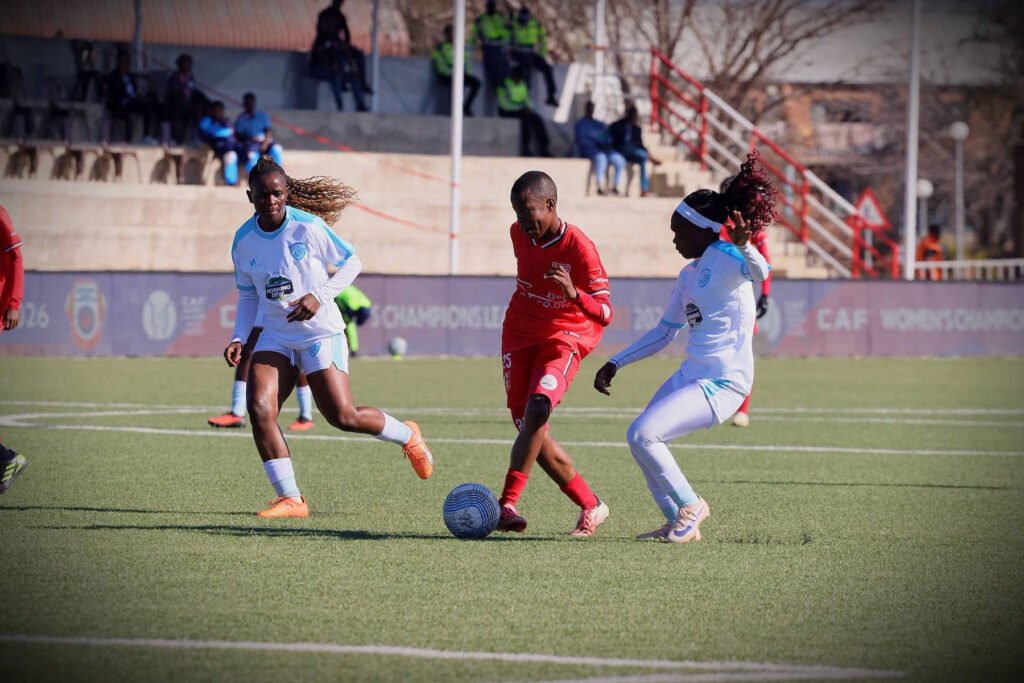
This is not an attack on the academies, academies are necessary, but there is a need to build another layer underneath them. We need community football grounds. We need functioning school sport. We need affordable coaching. We need properly organised grassroots competitions.
How do we make sure every talented child has a chance to become a better player? Botswana does not lack talented children. What we risk lacking is a system capable of reaching them. If football is allowed to become something that only children from financially comfortable families can access properly, we will not merely be changing how the sport is played. We will be changing who gets to dream, a hefty price Botswana football should not be willing to pay. Talent is everywhere. Opportunity isn’t. Our responsibility is to close that gap.


