
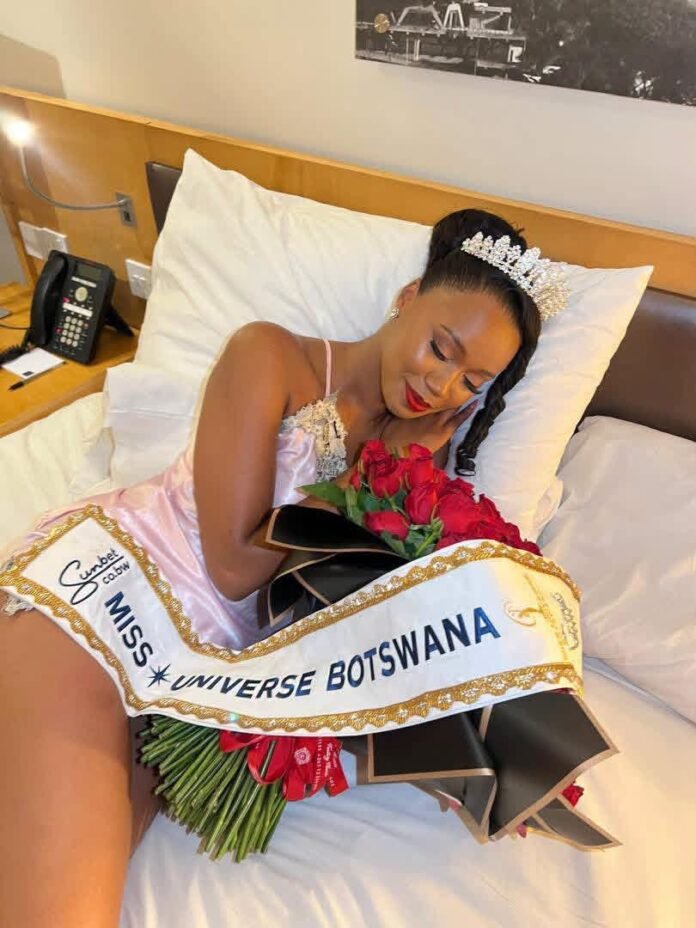

There is something rather revealing about the way Dabilo Moses speaks about beauty. For someone preparing to compete on one of the world’s most watched beauty stages, she seems remarkably uninterested in allowing her appearance to become the defining feature of her identity.
The crown, she suggests, is an introduction. What happens after that is what matters.
In a few weeks, Moses will travel to San Juan, Puerto Rico, to represent Botswana at the Miss Universe finale. It is an opportunity that places her among women from across the world, each arriving with her own story, ambitions and interpretation of what it means to be beautiful.
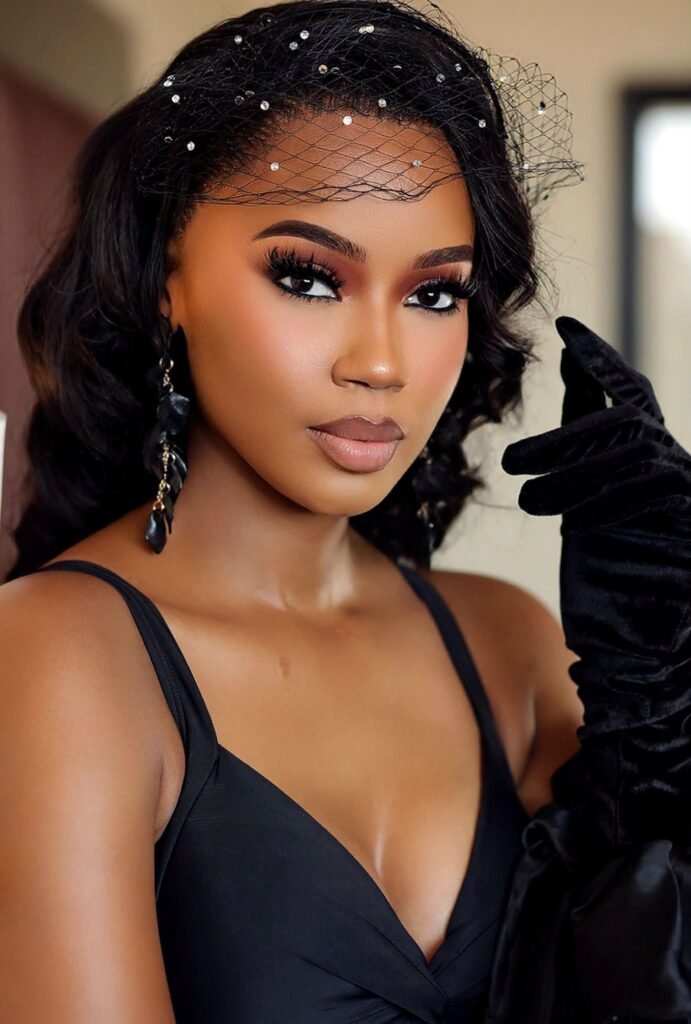
But Moses is not particularly interested in being remembered simply as another contestant who wore a country’s sash. “I think the most beautiful thing about my journey is that I am still becoming. The crown may introduce me to the world, but my character, values and the work I do are what I hope will make people remember me,” she says.
It is an answer that offers a glimpse into the woman behind the pageant preparations: ambitious, adventurous, compassionate and guided by faith. Her path to Miss Universe, she explains, has not been a straight line of victories. There have been unexpected turns, periods of reassessment and moments when she had to rediscover what she wanted for herself.
“I have always had dreams that were bigger than my circumstances, but I cannot say that I always knew the journey would lead me to Miss Universe,” she reflects. There is a certain acceptance in the way she speaks about uncertainty. She has learnt that not every chapter needs to reveal its ending, and that sometimes progress is simply finding the courage to take another step.
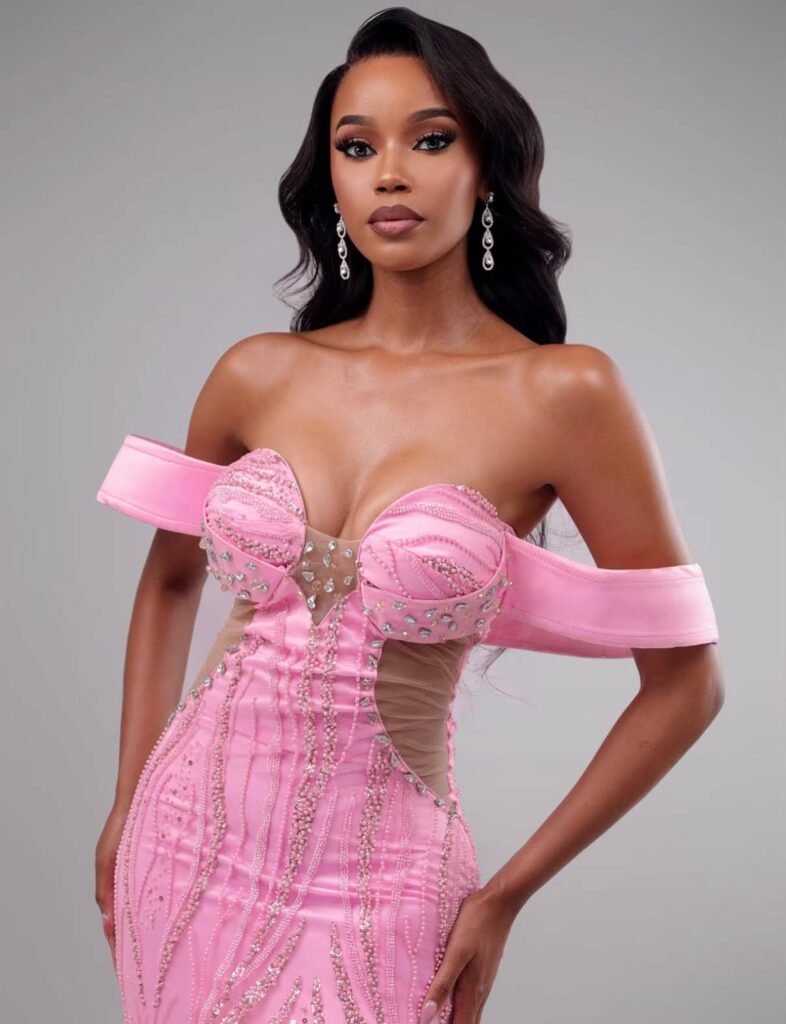
“Sometimes God does not reveal the entire destination; He simply gives you enough courage to take the next step,” she says. Faith is not an ornamental part of Moses’s public persona. It is woven into how she approaches her responsibilities, ambitions and the pressures that accompany her position. Her day begins with spiritual grounding before the demands of preparation take over. And there is plenty to occupy her. Fitness sessions, meetings with her team, wardrobe consultations, fittings, interviews, rehearsals and advocacy work have become part of an increasingly structured routine. She also makes time for reading and keeping abreast of current affairs, particularly issues affecting Botswana and the wider world. There is, too, the challenge of balancing pageantry with her responsibilities as a professional and a student. Yet Moses appears to have learnt that preparation is not necessarily about filling every available hour.
“Preparation is not only about doing more; it is also about knowing when to pause,” she says. The public sees the finished product: the carefully selected wardrobe, the confident walk, the photographs and the composed interview responses. Less visible is the discipline required to bring all those elements together without losing oneself in the process. For Moses, fitness has become more than physical conditioning. It is an exercise in mental clarity and discipline. Nutrition, hydration and adequate rest have assumed greater importance, while skincare has become a more deliberate routine.
“Resilience does not mean you never feel overwhelmed. It means you find the courage to continue despite how you feel,” she says. The scrutiny that comes with public visibility has brought another lesson. Moses has learnt to distinguish constructive criticism from opinions that serve little purpose beyond diminishing others. “I have learned that being visible does not mean I have to make myself available to every opinion,” she says.
Fashion, meanwhile, has taken on a different meaning. She describes her style as elegant, feminine and sophisticated, with the occasional daring departure. She gravitates towards timeless pieces, beautiful tailoring and clean silhouettes, while remaining open to experimentation. “I believe that fashion should complement a woman rather than overpower her,” she says. Her appreciation for African designers, particularly those who blend contemporary aesthetics with traditional influences, is also telling. Clothing, for Moses, is an opportunity to communicate identity. But the journey has not been without its difficult moments. The logistical and financial demands, personal responsibilities, disappointments and delays have tested her resolve. There have been times when she questioned whether she had enough strength to continue.
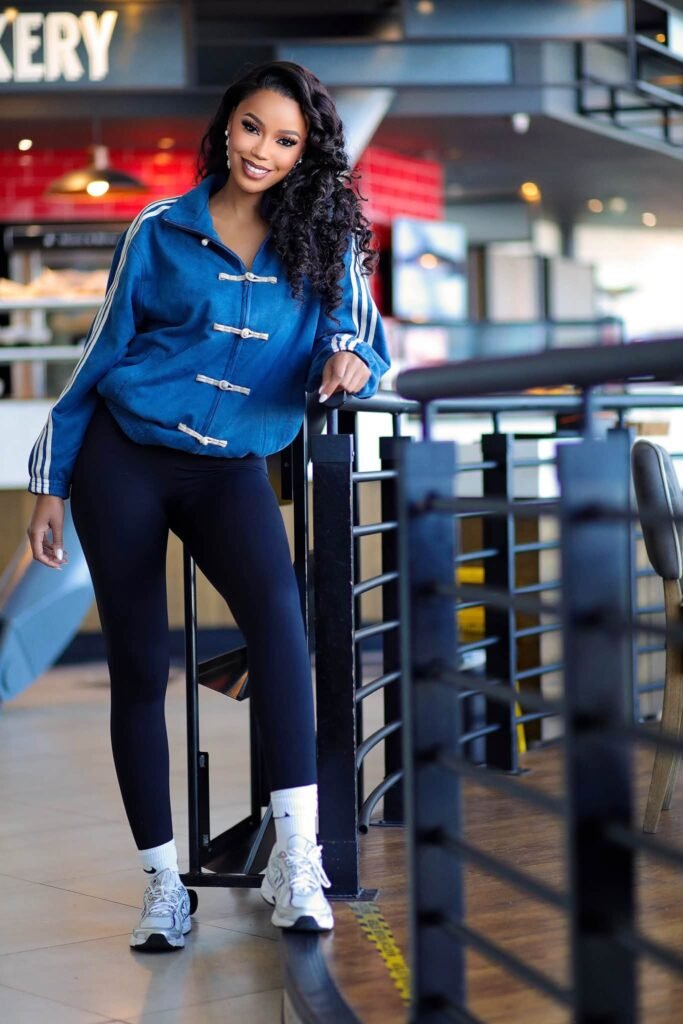
Her grandmother played a significant role in shaping the resilience and resourcefulness that have sustained her. Her brother, family, friends and mentors have also provided support along the way. “Resilience does not mean you never feel overwhelmed. It means you find the courage to continue despite how you feel,” she says. The scrutiny that comes with public visibility has brought another lesson. Moses has learnt to distinguish constructive criticism from opinions that serve little purpose beyond diminishing others. “I have learned that being visible does not mean I have to make myself available to every opinion,” she says.
It is a useful philosophy in an environment where contestants are often subjected to relentless commentary about their appearance, choices and conduct. Moses insists that she remains human before she is a public figure, entitled to grow, make mistakes and have difficult days.


