

Botswana’s economic story has long been shaped by diamonds, which have financed infrastructure, education and healthcare while positioning the country among Africa’s most stable economies. However, as global markets increasingly reward innovation, craftsmanship, branding and exceptional experiences, Botswana faces an important question: what comes after extraction?
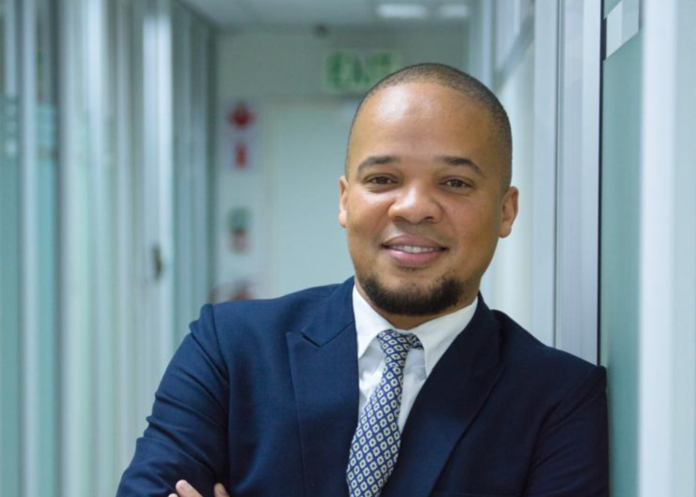
For property developer, investor and luxury strategist Bakang Palai, the answer lies in creating and retaining greater value from the country’s existing resources.
With nearly sixteen years of experience in property investment and development, Palai has contributed to major projects including Airport Junction Shopping Centre Phase II, Sarona Shopping Centre, Rail Park Phase II, Town Lodge Botswana and several residential developments. He is the founder of Leru Property Group, holds a degree in Property Studies from the University of Cape Town and is a Mandela Washington Fellow. He also became the first Motswana to graduate from the International University of Monaco with a Master of Science in Luxury Management.
Similarly, the cattle industry presents opportunities beyond beef exports, including premium leather products, fashion, cuisine and Botswana-owned consumer brands.
His studies strengthened his belief that Botswana can compete globally through authenticity, innovation and premium value creation.
“Luxury is often misunderstood as exclusivity or excess,” Palai says. “In reality, it is about excellence, authenticity, innovation, sustainability and creating exceptional value.”
Palai believes Botswana’s next economic chapter should focus on moving beyond exporting raw commodities towards finished products, premium services, intellectual property and globally recognised brands.
He describes this approach as Premium Value Engineering, combining craftsmanship, design, technology, branding and storytelling to generate greater economic value while retaining ownership, employment and wealth locally.
For example, Botswana’s diamonds should communicate more than their physical characteristics. Their value should reflect provenance, ethical production, conservation, community development and craftsmanship.
Similarly, the cattle industry presents opportunities beyond beef exports, including premium leather products, fashion, cuisine and Botswana-owned consumer brands.
Palai identifies opportunities across jewellery, hospitality, architecture, conservation tourism, wellness, gastronomy, fashion, film, music and other creative industries.
Central to this vision is Botswana’s international reputation for political stability, responsible institutions, ethical natural diamonds and conservation leadership.
“Botswana may never be the largest economy, but it can become one of the most respected,” Palai says. “Our competitive advantage is not diamonds alone; it is trust.”
Drawing on his property development experience, Palai also believes Botswana should focus on creating integrated destinations rather than simply constructing buildings. Developments should combine architecture, retail, hospitality, technology, culture and community to improve quality of life and strengthen investment appeal.
“Property is where national ambition becomes visible,” he says.
By combining its trusted identity with world-class design, craftsmanship, innovation and storytelling, Botswana can build an economy defined not only by what it extracts, but by what it creates, owns and shares with the world.
To achieve this transformation, Palai proposes establishing a National Premium Economy and Place Branding Council, bringing together government, business, academia and the creative industries.
He argues that nation branding must move beyond logos and advertising campaigns to become part of economic policy, aligning tourism, exports, investment, education, diplomacy and innovation around a shared national identity.
Botswana’s creative community would play an essential role in this vision. Writers, filmmakers, musicians, designers and digital storytellers can translate the country’s heritage and ambitions into globally compelling narratives while creating valuable intellectual property. Ultimately, Palai believes Botswana should learn from premium economies such as Monaco, Dubai and Singapore without attempting to imitate them.
“Our greatest untapped advantage is the ability to transform peace and trust into economic value,” he says.
By combining its trusted identity with world-class design, craftsmanship, innovation and storytelling, Botswana can build an economy defined not only by what it extracts, but by what it creates, owns and shares with the world.
Its next great global export may not simply be diamonds. It may be Botswana itself.


