



Fresh cracks have emerged within the ruling Umbrella for Democratic Change (UDC) coalition after the Botswana People’s Party (BPP) publicly expressed growing dissatisfaction over what it describes as the coalition’s failure to adequately recognise and accommodate its interests.
The BPP’s Central Committee, through its resolutions, has raised concerns over the distribution of public service appointments and political structures, warning that the party’s grievances cannot be overlooked.
The BPP said its leadership had deliberated on the party’s relationship with its UDC coalition partners and matters relating to the country’s land policy.
“The Central Committee, however, noted the growing dissatisfaction among BPP members over the coalition’s failure to adequately recognise and accommodate the Party, particularly in public service appointments and certain political structures. These concerns informed the Committee’s position and cannot be overlooked,” the party stated.
“The Central Committee, however, noted the growing dissatisfaction among BPP members over the coalition’s failure to adequately recognise and accommodate the Party, particularly in public service appointments and certain political structures. These concerns informed the Committee’s position and cannot be overlooked,” the party stated.
The BPP makes it clear that its continued participation in the political arrangement must be accompanied by recognition of its contribution and interests.
While reaffirming its support for cadre deployment among UDC contracting partners to strategic positions, the BPP insists that such appointments must serve the collective interests of the coalition.
“Such deployment must serve the collective interests of the coalition and advance its commitments to the people of Botswana,” the party says.
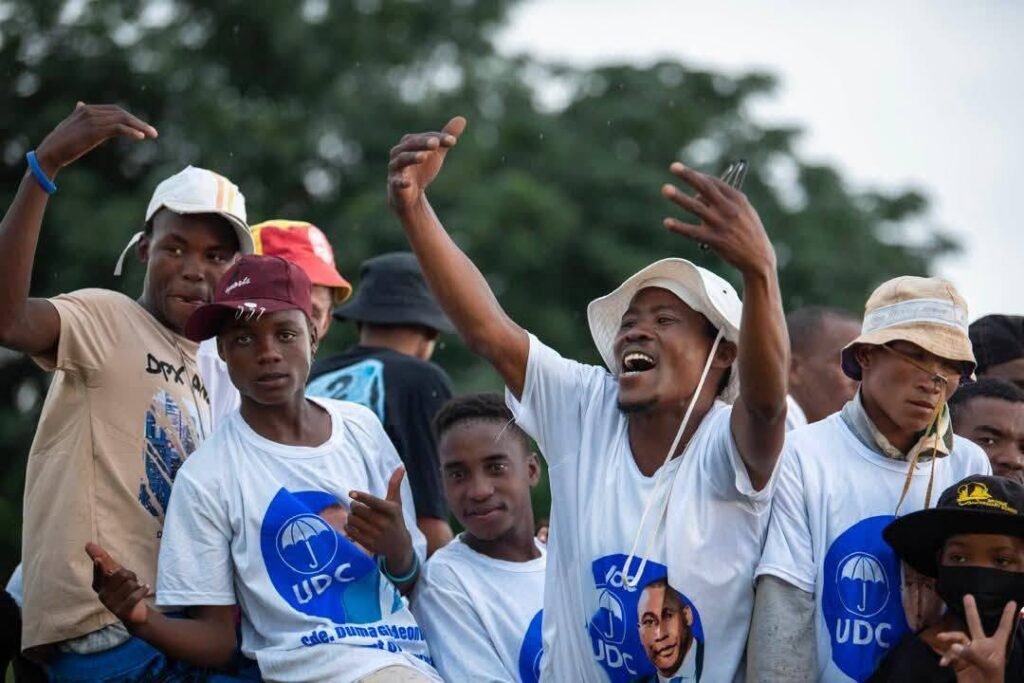
The party also appears to be pushing back against what it considers unilateral decision-making within the coalition as it insists that matters affecting the UDC’s direction and strategic interests must be discussed through established coalition structures.
The party said; “The BPP believes that matters affecting the direction and strategic interests of the UDC must be discussed through established coalition structures, guided by consultation, mutual respect and shared responsibility.”
It further warned that coalition appointments should not be driven by individual political partners. “A coalition must remain a collective undertaking and deployment must be coordinated by the UDC not individual partners.”
The BPP has also raised concerns over government’s proposed transition of Land Boards into Land Commissions. It is demanding clarity on the implications of the proposed changes.
The party said its position on land was rooted in its founding principles and Pan-Africanist ideology, arguing that land was a national resource and heritage belonging to the people.
The Central Committee expressed concern over the proposed transition, particularly regarding the mandate, operations and implications for existing land governance structures.
The BPP said; “Any changes to its governance must therefore involve meaningful public consultation.”
The Central Committee expressed concern over the proposed transition, particularly regarding the mandate, operations and implications for existing land governance structures.
“These questions require clear answers,” the party said. The BPP also questioned Botswana’s collaboration with the Republic of Korea on land-related matters. It is demanding transparency over the scope and implications of the engagement.
”The scope and implications of this engagement must be transparent and communicated to the public. The people must remain at the centre of decisions concerning their land.”
Despite its reservations, the BPP said it remained committed to its responsibilities as a UDC contracting partner.
“The BPP remains committed to its responsibilities as a UDC contracting partner, while safeguarding its identity, founding principles and independent voice on matters of national interest.”


