

The President announced sweeping governance reforms aimed at strengthening transparency, accountability, and investor confidence.
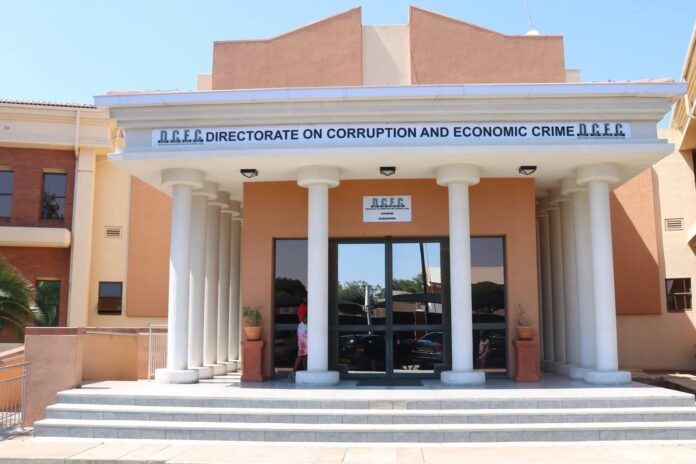
A key highlight is the review of the Corruption and Economic Crime Act, which proposes granting the DCEC greater operational independence. Boko said the revised Bill “will be tabled for approval during the current sitting of Parliament.”
The DCEC is already being delinked from the mainstream public service, with budgets allocated for its transition into a fully independent anti-corruption body.
Government has also completed a new Elections Management System, which will improve efficiency and prevent poll-related irregularities. The system includes modules for staff management ahead of national elections.
Boko further revealed progress toward establishing the Botswana International Financial Centre (BIFC), describing it as “a well-regulated and trusted gateway for international investment and financial services into Africa.”
The DCEC is already being delinked from the mainstream public service, with budgets allocated for its transition into a fully independent anti-corruption body.
Linked to this is the Impact Citizenship Programme, which he stressed is not about selling citizenship but attracting vetted global innovators and investors. “Vetting and thorough due diligence will be an integral part,” he assured Parliament. Other reforms include:
- A new Cybersecurity Act establishing a national cybersecurity commission
- Strengthening the Court of Appeal
- Implementation of Criminal Legal Aid Services nationwide
- A historic Public Service Bargaining Council empowered to negotiate collective labour agreements
“These reforms are a clear signal that, in Botswana, the rule of law is paramount,” Boko declared, emphasising the commitment to modern institutional governance.


