
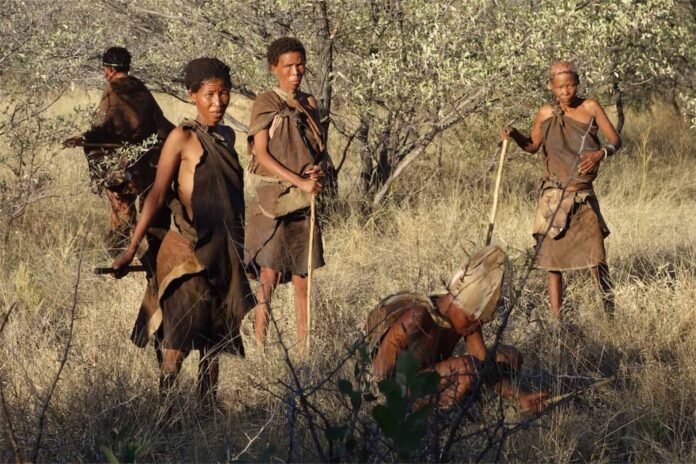

The Botswana Khwedom Council which represents the voice of the San has expressed concern over what it describes as the erosion of indigenous land rights and cultural identity in the Chebajenaa settlementa. The settlement is a San community located between Mmatsumo and Mosu villages in Boteti District.
In a statement, the council said Chebajenaa has long been recognised as an ancestral settlement of the San people, with its own traditional leadership structures and deep cultural ties to the land. However, administrative decisions taken under the authority of the Letlhakane tribal leadership have resulted in the relocation of the community. The latest development is expected to spark tensions and uncertainty between the San and government reminiscent of the relocation of other Sn communities from the CKGR.
“The relocation process did not adequately respect the historical land rights and cultural identity of the San community of Chebajenaa,” the Botswana Khwedom Council said in its report adding that the move has disrupted both governance and heritage.
The issue of San land rights has long been a contentious one in Botswana which often drawing criticism from human rights groups who argue that indigenous communities are frequently excluded from decision-making processes affecting their land.
At the centre of the dispute is the reported sidelining of the Chebajenaa headman, who has now been placed under the kgotla in Mosu. According to the council, this has significantly weakened the community’s traditional governance structures and undermined local authority.“This arrangement has diluted the autonomy of the San leadership and imposed an external administrative system that does not align with their customs,” the statement noted.
The council further highlighted growing ambiguity over the rightful ownership and control of the Chebajenaa settlement describing the situation as a source of ongoing conflict. It warned that without clear recognition of land rights, the community remains vulnerable to further displacement and marginalisation.
Following a recent visit to the area, the Botswana Khwedom Council said it engaged directly with local leadership and residents, who expressed a unified demand: a return to their ancestral land.“The community strongly desires to return to Chebajenaa, where their history, identity and livelihoods are rooted,” the council said.
The issue of San land rights has long been a contentious one in Botswana which often drawing criticism from human rights groups who argue that indigenous communities are frequently excluded from decision-making processes affecting their land.
The latest developments in Chebajenaa are likely to intensify calls for government intervention, particularly around the recognition of customary land rights and the protection of indigenous governance systems.
Khwedom Council urged authorities to engage in meaningful dialogue with the affected community and to prioritise a resolution that respects both their heritage and their rights.
Failure to act, the council warned, risks deepening historical injustices faced by the San people and further entrenching divisions over land and identity in rural Botswana.


