


The Botswana Energy Regulatory Authority (BERA) has moved to calm public fears over fuel shortages, assuring the nation that current supplies remain stable despite mounting global tensions driven by the ongoing conflict in the Middle East.
In a statement released this week, BERA confirmed that Botswana holds sufficient fuel stocks to meet national demand—at least for now.
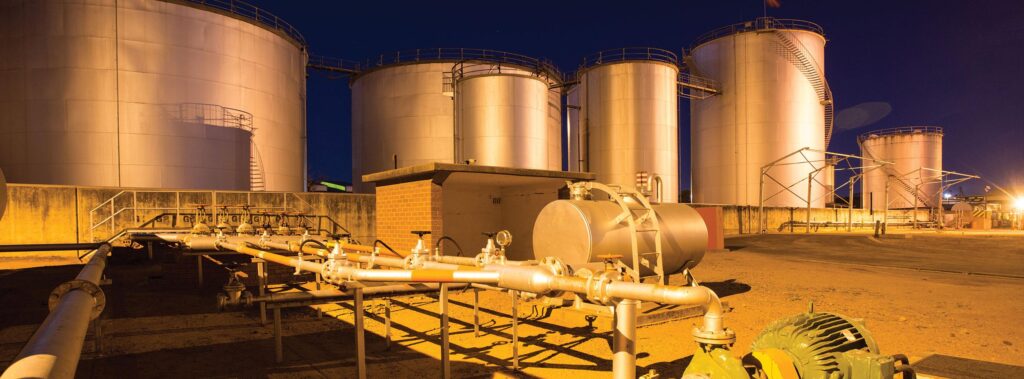
The stockpile includes 41.4 million litres of diesel and 23.7 million litres of petrol, with additional orders already placed. Importers are expecting deliveries of roughly 24 million litres of diesel and 20 million litres of petrol, reinforcing supply stability through the remainder of March.
As of 20 March 2026, the country has approximately 65 million litres of fuel in stock, including supplies held by importers and wholesalers as well as fuel already in transit. This translates to about 20.8 days of national fuel cover, offering a short-term buffer against disruptions.
The stockpile includes 41.4 million litres of diesel and 23.7 million litres of petrol, with additional orders already placed. Importers are expecting deliveries of roughly 24 million litres of diesel and 20 million litres of petrol, reinforcing supply stability through the remainder of March.
“Fuel importers have provided assurance that supply for the month of March 2026 remains stable,” the Authority said.
But BERA warned that April could bring significant uncertainty, as global oil markets react sharply to geopolitical developments. Traders are increasingly turning to spot pricing, a volatile system where fuel is purchased at current market rates rather than through long-term contracts. This shift is already driving up import costs.
“The Authority is currently engaging with oil companies to determine how best to manage the additional costs of importation within the current pricing structure,” BERA noted, signaling potential pressure on domestic fuel prices.
The warning comes as global oil markets experience turbulence. Brent crude oil prices surged by 38% between 1 and 18 March 2026, a spike attributed to fears of supply disruptions and rising maritime transport costs linked to instability in the Middle East.
While no immediate shortages are expected, the Authority acknowledged the “greater uncertainty and anxiety” surrounding supply beyond March, reflecting the fragile balance between stable inventories and a rapidly shifting global market.
For Botswana, a landlocked country heavily reliant on fuel imports, such external shocks are particularly acute. Increased shipping risks and insurance premiums are feeding directly into higher landing costs for fuel, raising the specter of price adjustments at the pump.
While no immediate shortages are expected, the Authority acknowledged the “greater uncertainty and anxiety” surrounding supply beyond March, reflecting the fragile balance between stable inventories and a rapidly shifting global market.
BERA said it is working closely with government and industry stakeholders to monitor developments and mitigate risks.
“The Authority will continue to closely monitor developments and manage any emerging supply risks… The public will be kept informed of any changes that may impact fuel supply,” the statement said.


