
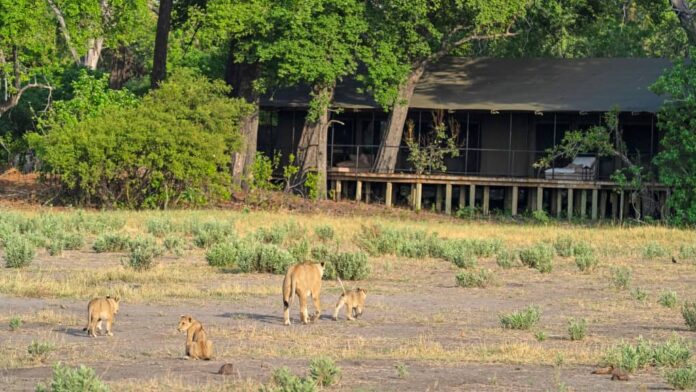

If luxury tourism has a future in southern Africa, it may lie in the space between a beach lounger and a mokoro. Machaba Safaris, best known for its discreet, high-end camps in Botswana, has no beachfront property and no interest in mass tourism. Yet through one of its shareholders, it now has an unexpected line of sight into one of the boldest resort experiments the region has ever seen.
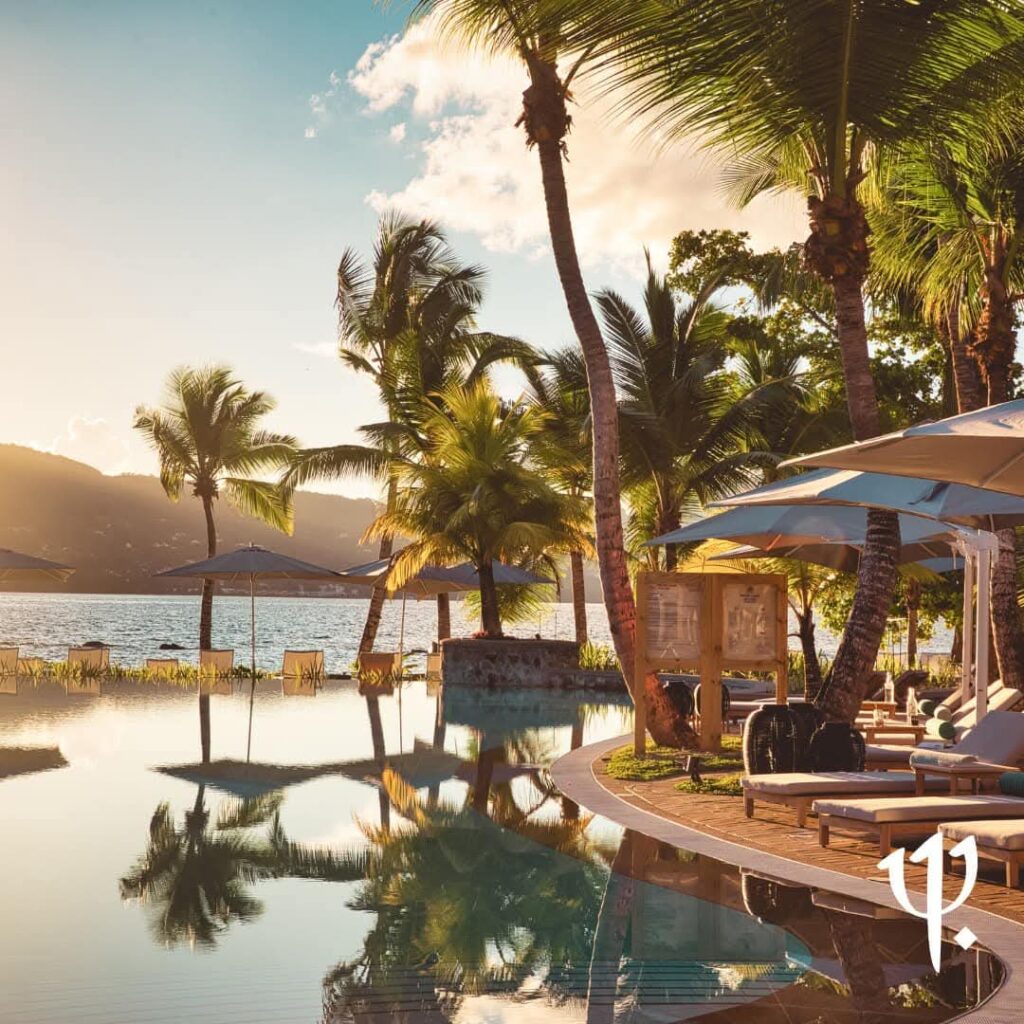
That experiment is Club Med’s first South African resort, a R2bn, all-inclusive leviathan rising at Tinley Manor on KwaZulu-Natal’s North Coast. The project is being developed by the Collins Residential Consortium, whose directors include Murray Collins, also a shareholder in Machaba Safaris alongside Alistair Rankin. The link is indirect, but instructive.
Club Med’s wager is that long-haul tourists want Africa simplified. Sun, food, activities and childcare are bundled into a single price, while the continent’s signature experience, the safari, is bolted on as an optional extra. Guests can swap the Indian Ocean for the bush with minimal effort, spending a few nights at a private game reserve before returning to cocktails by the pool. Beach to bush, friction removed.
For Botswana, this matters. The country has long championed a “high-value, low-volume” tourism strategy, one that has protected its ecosystems while generating enviable returns. What it has lacked is a broader on-ramp, a way to capture new visitors who might not yet be ready to commit to a week deep in the Okavango Delta, but could be persuaded with something gentler before being upgraded to the full wilderness experience.
Machaba Safaris operates at the opposite end of the spectrum. Its model favours low-density camps, high prices and a deliberate emphasis on remoteness. Yet the commercial logic is strikingly similar. Both approaches sell not just a place, but a journey that has been carefully smoothed, curated and timed. The difference is scale, not philosophy.
For Botswana, this matters. The country has long championed a “high-value, low-volume” tourism strategy, one that has protected its ecosystems while generating enviable returns. What it has lacked is a broader on-ramp, a way to capture new visitors who might not yet be ready to commit to a week deep in the Okavango Delta, but could be persuaded with something gentler before being upgraded to the full wilderness experience.
South Africa’s Club Med resort hints at how that funnel might work. Large, internationally branded developments attract first-timers in bulk. Specialised operators then capture a share of those visitors with premium add-ons. In such a system, companies like Machaba would not be diluted by scale elsewhere. They would be fed by it.
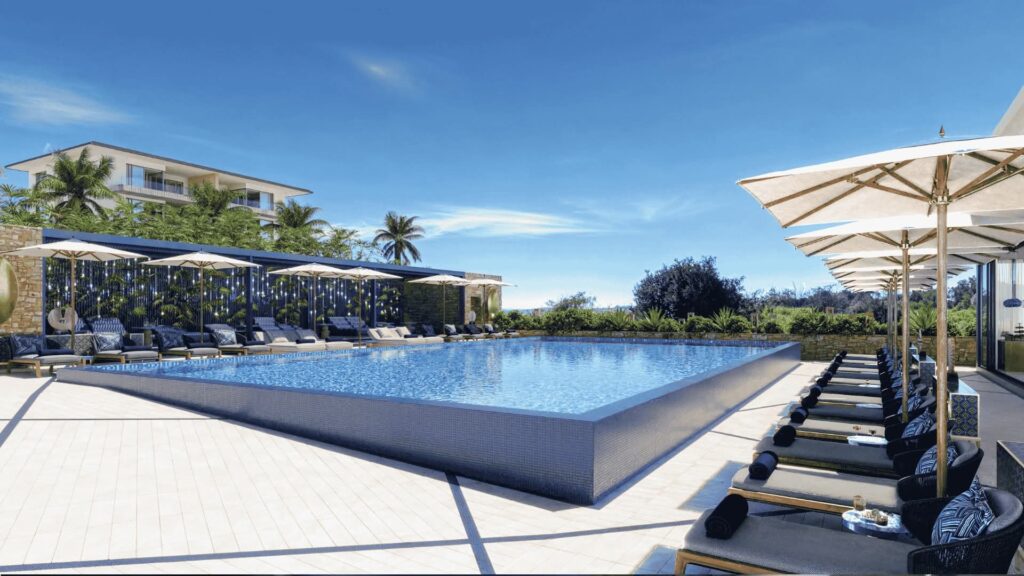
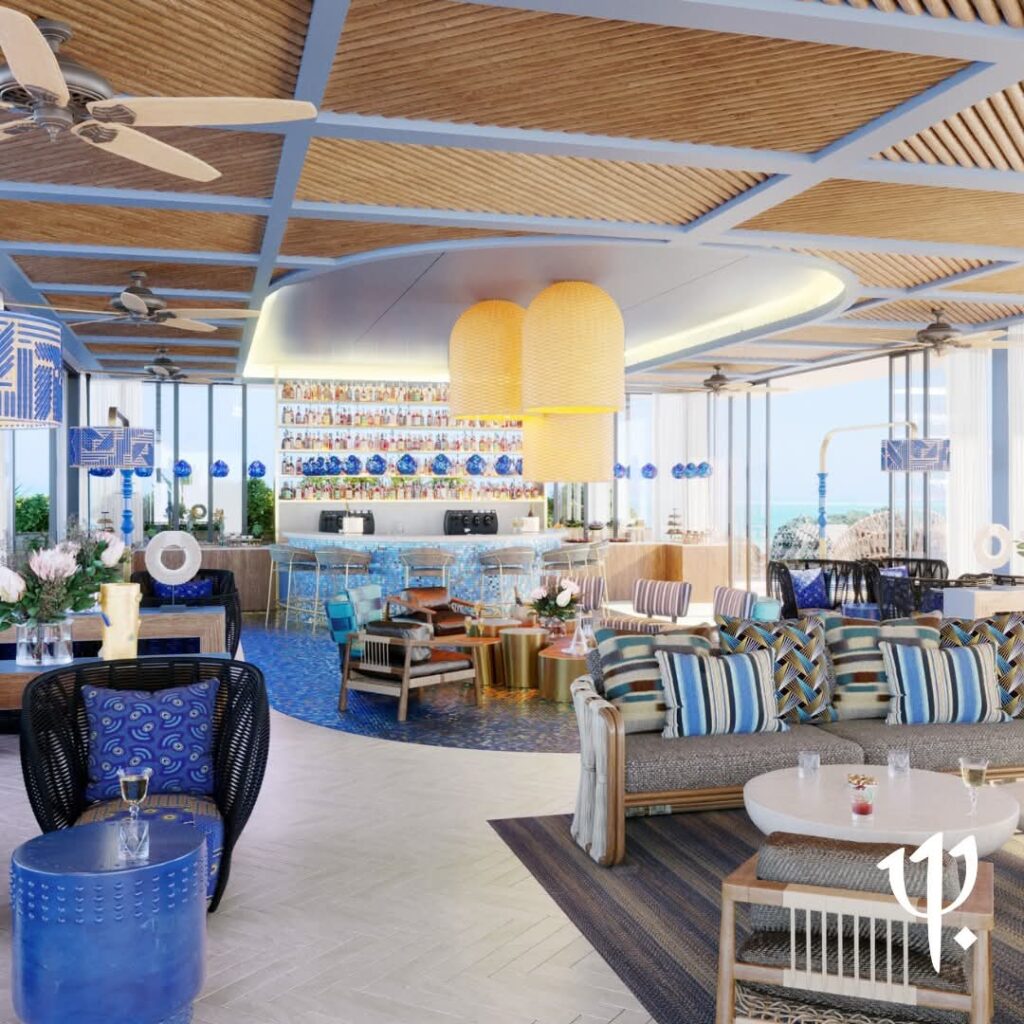
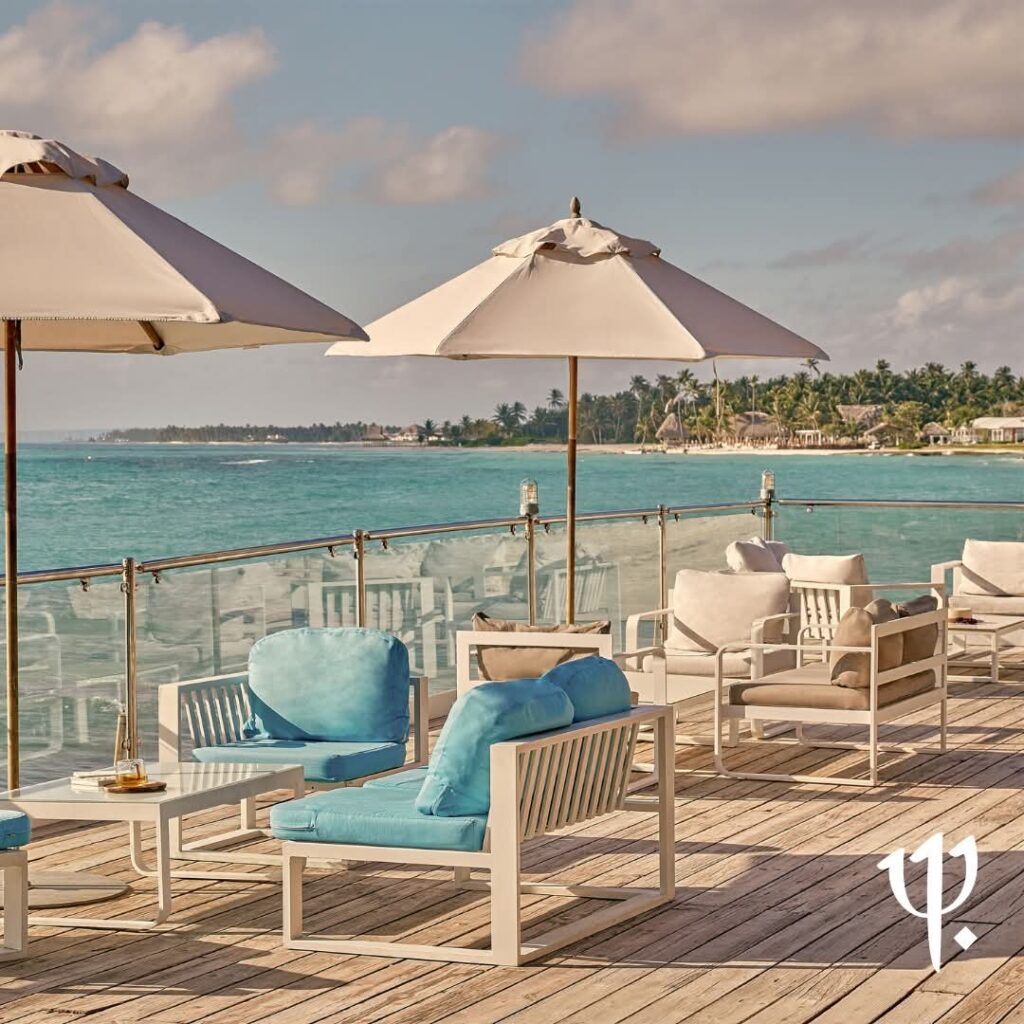
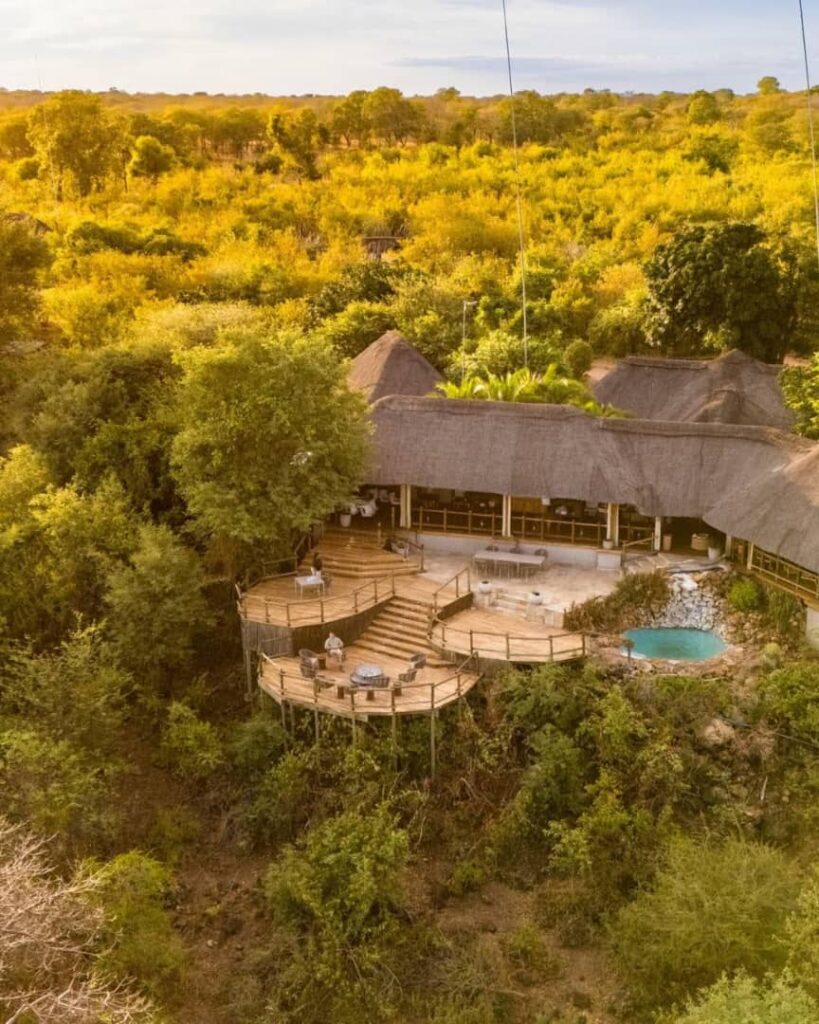
There are risks, of course. Botswana’s reputation rests on restraint, and sprawling resorts would sit uneasily with its conservation ethos. But the lesson from Tinley Manor is not that bigger is better. It is that integration pays. When transport, accommodation and experience are stitched together, tourists linger longer and spend more. The link between Machaba shareholders and projects such as Club Med’s South African resort points to a possible gap in Botswana’s tourism offering. A domestically based, internationally branded resort could serve as an entry point for new visitors, channeling demand towards established safari operators while spreading risk and investment more broadly.


