


Botswana’s economy took a sharp hit in the final quarter of 2025, with official figures showing a 5.4 percent contraction in real Gross Domestic Product (GDP), driven largely by a steep collapse in the mining sector.
According to Statistics Botswana, the downturn marks a significant deterioration from the 1.9 percent contraction recorded in the same quarter of 2024, underscoring the economy’s continued vulnerability to fluctuations in the diamond industry.
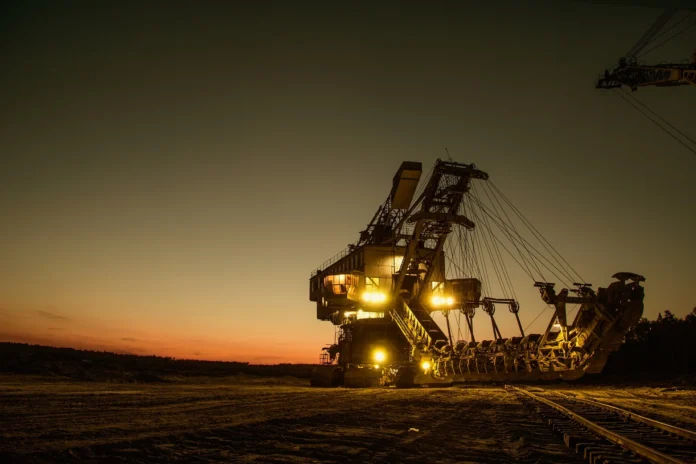
“The decline in real GDP was mainly attributed to a sharp decrease in Mining and Quarrying, which contracted by 47.0 percent,” the agency said in its latest quarterly report.
The mining slump was largely fueled by a dramatic 54.6 percent drop in diamond production, alongside declines in coal and soda ash output by 13.3 percent and 8.2 percent respectively.
On a quarter-to-quarter basis, the situation appeared even more severe, with GDP shrinking by 11.4 percent, reflecting the depth of the economic slowdown.
Agriculture emerged as a bright spot, growing by 4.2 percent compared to a contraction of 1.9 percent in the same period in 2024. The growth was largely driven by a 5.7 percent increase in livestock farming, supported by a staggering 193.2 percent surge in cattle deliveries to the Botswana Meat Commission.
Despite the overall contraction, non-mining sectors continued to grow, albeit at a slower pace. Non-mining GDP expanded by 2.6 percent in the fourth quarter, down from 4.2 percent growth recorded a year earlier.
Agriculture emerged as a bright spot, growing by 4.2 percent compared to a contraction of 1.9 percent in the same period in 2024. The growth was largely driven by a 5.7 percent increase in livestock farming, supported by a staggering 193.2 percent surge in cattle deliveries to the Botswana Meat Commission.
Manufacturing grew by 6.5 percent, rebounding from a 7.2 percent decline in 2024, boosted by a 54.9 percent surge in diamond cutting and polishing.
Wholesale and retail trade expanded by 4.1 percent, though slower than the previous year’s 7.8 percent.
Accommodation and food services rose by 3.8 percent, reflecting modest recovery in tourism-related activity. However, key sectors also recorded declines:
Construction contracted by 2.3 percent
Water and electricity fell by 1.3 percent, amid reduced domestic generation and imports
Shift in economic drivers The latest data also shows a shift in the structure of the economy. Public Administration and Defence emerged as the largest contributor to GDP at 18.2 percent, followed by Wholesale and Retail Trade (13.2 percent), Construction (12.1 percent), and Mining and Quarrying (6.8 percent).


