
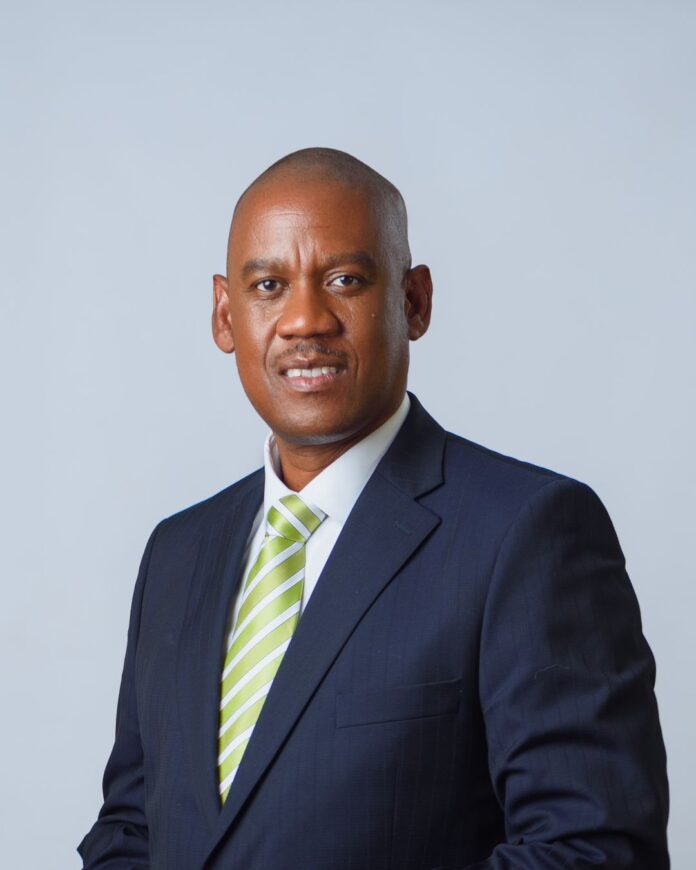

Leader of Opposition Dumelang Saleshando has proposed a series of “low-hanging fruit” reforms to rescue what he called a “frustrated nation.”
Among his recommendations were sweeping changes to the health system, labour laws, and the structure of Cabinet. “Perhaps it is time for a Cabinet reshuffle,” he said. “A year later, it is clear who is competent and who is not.”
Saleshando said the health sector had “collapsed under mismanagement,” with shortages of drugs and critical staff. He urged the government to “unfreeze the hiring of pharmacists” and develop a national health workforce strategy to retain professionals, particularly in rural areas. “No one should die because they cannot access essential medicine,” he said.
On labour relations, Saleshando warned that a private-sector-led growth model must not come at the expense of workers’ rights. “We want transformation that translates into decent and dignified living, not exploitation,” he said, urging stronger protection for unionised employees, fair overtime pay, and penalties for companies that abuse polygraph testing.
He also criticised the government’s failure to fulfil its P4 000 minimum-wage pledge. “A minimum wage composed of allowances that can be withdrawn at any time does not address workers’ plight,” he said.
He also criticised the government’s failure to fulfil its P4 000 minimum-wage pledge. “A minimum wage composed of allowances that can be withdrawn at any time does not address workers’ plight,” he said.
Saleshando’s speech also revisited a controversial issue from the previous administration, wasteful spending. He called for a halt to costly state events and foreign travel by civil servants. “If the country is broke, government events should reflect that reality,” he said.
Other proposals included criminalising all forms of gender-based violence, reviving land reform through a professional Land Management Authority, translating laws into Setswana to improve access to justice, and restoring parliamentary independence from the executive.
He said Botswana needed “political honesty, economic discipline, and participatory governance.” “When it comes to development, it should not matter where the idea comes from but whether it works for the people,” he said.
The BCP leader framed his suggestions as practical steps that “require will, not wealth.” “Most of the solutions to Botswana’s problems can be found in Botswana if leaders are open to taking them,” he said.


