



Botswana’s public service has been advised that measuring progress by policies, committees, and systems must shift to a culture where citizens experience meaningful change.
That was the blunt message from President Advocate Duma Boko and Absa Bank Botswana Managing Director, Keabetswe Pheko-Moshagane at the Public Service Leadership Conference 2026 on Tuesday this week, as both speakers challenged government leaders to dismantle bureaucracy, embrace innovation and turn transformation into measurable delivery.
Officially opening the conference gathering, President Boko said Botswana can no longer sustain a public service that uses resources without delivering efficiency, productivity, and economic value.
He called for a fundamental reassessment of government operations, urging public servants to simplify processes and eliminate systems that hinder effective service. He emphasised that “there should be no sacred cows” in efforts to improve public service.
He rejected the tendency to use legislation and procedures as shields for poor delivery, adding that “the law is not an obstacle to progress. The law facilitates the doing of good. It is designed to serve the public interest and advance the public good.”
Boko’s intervention comes at a critical economic juncture. The World Bank reports that Botswana’s economy contracted by 2.8% in 2024 and a further 0.7% in 2025, while public debt climbed from 22% of GDP in 2023 to nearly 40% in 2025. The Bank says stronger public-sector effectiveness, private-sector growth and economic diversification are now urgent.
Boko’s intervention comes at a critical economic juncture. The World Bank reports that Botswana’s economy contracted by 2.8% in 2024 and a further 0.7% in 2025, while public debt climbed from 22% of GDP in 2023 to nearly 40% in 2025. The Bank says stronger public-sector effectiveness, private-sector growth and economic diversification are now urgent.
Public-service reform is now an economic imperative, not just an administrative task.Delays, unnecessary forms, and duplicated processes increase business costs, delay investment, and reduce productivity. The World Bank has specifically warned that weaknesses in public services and regulatory implementation are hampering private-sector investment and job creation in Botswana. For her remarks, Absa’s Managing Director stated, “transformation only matters when people can feel the difference. Transformation becomes meaningful when it changes outcomes. For a bank, that means customers experiencing better service, employees being empowered to perform, processes becoming simpler, and the institution becoming more resilient and competitive.”Referencing Absa’s separation from Barclays, she explained that the bank built new systems, capabilities, and culture while continuing to serve millions of customers.
“We had to transform while continuing to deliver.”
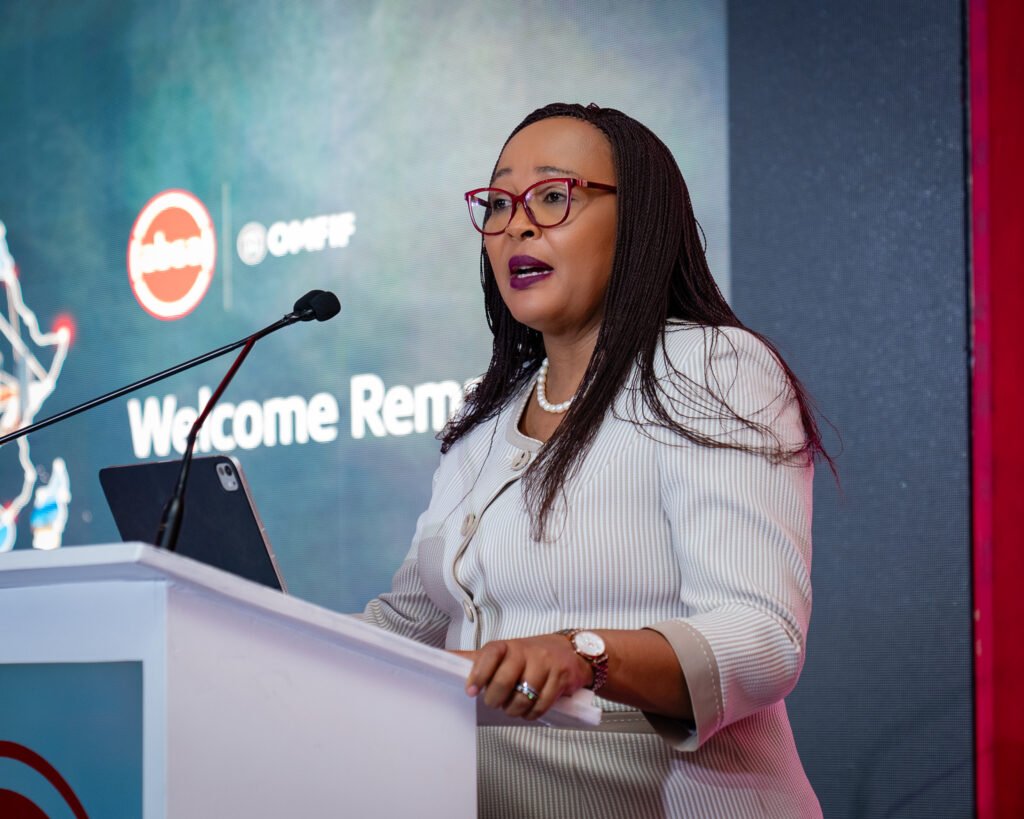
For government, she offered an equally powerful prescription: “We must change the engine while the vehicle is moving.”
She outlined six lessons for building a citizen-centered public service: define the purpose of transformation, hold leaders accountable for outcomes, change organisational culture, prioritise citizens, use technology to simplify processes, and measure what matters.
She cautioned that digitisation alone is not transformation, stating, “technology applied to a bad process can simply create a faster bad process.” She argued that the true test is whether citizens receive services faster, businesses secure approvals more easily, and government removes unnecessary obstacles from daily life.
This is crucial for the economy, as an efficient state forms the foundation of productive economic infrastructure. Effective government processes allow businesses to focus on production, investment, and employment rather than bureaucracy. Targeted public spending increases taxpayer value, and public trust in institutions yields broad social and economic benefits.
The World Bank’s latest Botswana Economic Update argues that the country must urgently improve productivity, strengthen human capital and create conditions for stronger private-sector growth and diversification.


