
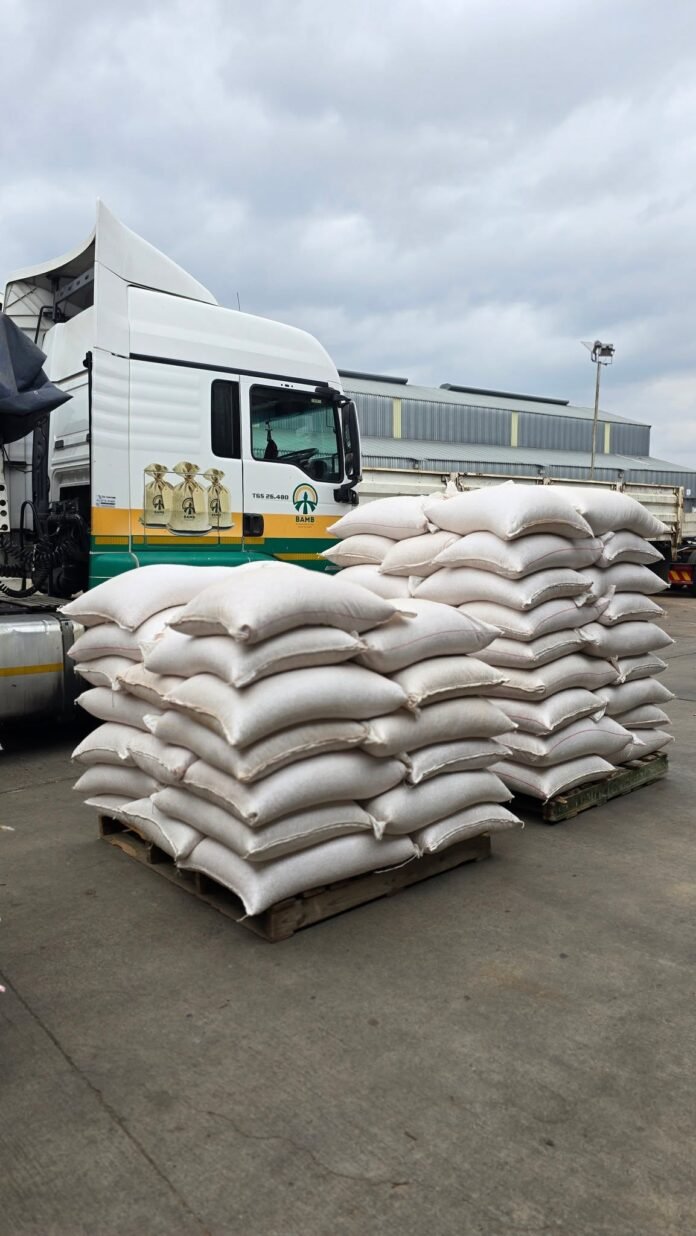


Farmers’ next planting season is under threat as the Botswana Agricultural Marketing Board (BAMB) continues to owe farmers approximately P100 million. The situation has left commercial producers struggling to meet financial obligations and prepare their fields despite the onset of the rains.
The Pandamatenga Commercial Farmers Association (PCFA) says BAMB has failed to meet its commitment to pay farmers after requesting additional time to finalise its financing. The association has warned that the delays are undermining the commercial viability of farming businesses and threatening the country’s grain production.
In a brief outlining the dispute recently, the association said BAMB communicated on 29 September that it needed a few more days to finalise financing and make funds available with settling farmers’ outstanding payments identified as the immediate priority.
However, the 30 September deadline passed without payment and farmers remained unpaid more than a week later. “We are ready to plant, but our hands are tied,” the association said.
The payment delays come as farmers begin preparing for the new planting season with the association warning that the combination of cash-flow constraints and El Niño warnings could put production at risk.
The payment delays come as farmers begin preparing for the new planting season with the association warning that the combination of cash-flow constraints and El Niño warnings could put production at risk.
Without the money owed to them, farmers face difficulties meeting their financial commitments and financing the preparations required to plant their crops.
The association said the consequences extend beyond individual farming businesses to employees, their families and the wider agricultural value chain.
“Late payment for one season puts the next one at risk, and this has been happening yearly,” it said.
According to the association, most commercial farmers must sell their scheduled crops through BAMB because of a combination of legislation, financing arrangements and restrictions on exports.
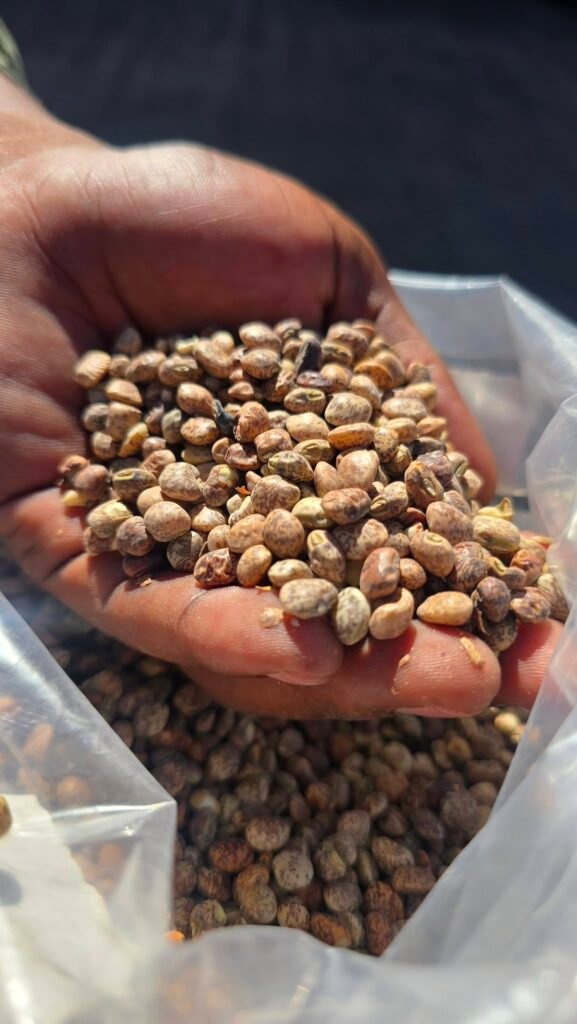
Under the BAMB Act, sorghum, maize, millet and pulses are classified as scheduled crops. The association says BAMB is required to provide a market for these crops and sets prices at the beginning of each season to enable farmers to plan their production.
Farmers are also financially tied to the marketing board through loans obtained from the National Development Bank (NDB). The association says NDB is the most affordable financing option available to many farmers while private banks charge interest rates exceeding 20 percent. Under the loan arrangements described by the association, BAMB pays NDB directly from farmers’ harvest proceeds.
Farmers’ grain contributes to replenishing these reserves, making the financial relationship between the marketing board and producers important to the wider food-security system.
This means farmers who depend on such loans cannot simply redirect their produce to another buyer and disregard the existing repayment arrangements. Exporting their grain is not an unrestricted alternative either. The association says sorghum, maize and other controlled crops require government export permits while a portion of the harvest must remain in Botswana to protect domestic food supplies. The result, according to the farmers, is a system in which they depend on BAMB for access to the market but remain exposed when payments are delayed. The implications extend to the country’s strategic grain reserves which BAMB manages as part of Botswana’s emergency food stocks.
Farmers’ grain contributes to replenishing these reserves, making the financial relationship between the marketing board and producers important to the wider food-security system.
The association has also cited El Niño warnings, which add uncertainty to the coming agricultural season. Under these circumstances, delayed planting could leave farmers with less room to respond to unfavourable weather conditions.
The association has called on BAMB to settle the outstanding payments describing payment as the immediate priority. It has also called for the release of the national crop plan and the corresponding contract prices for the crops covered by the plan. The association says its position is not a rejection of BAMB’s role in Botswana’s agricultural system but a demand for a relationship that allows farmers to remain commercially viable.
It has called for consultation on prices and proposed legislative changes affecting agriculture, arguing that decisions affecting producers should be discussed with those expected to implement them.
“It is a partnership. We need each other,” the association said. The association warned that the outstanding payments increase financial risks for individual farmers and the wider system that depends on their production.


