
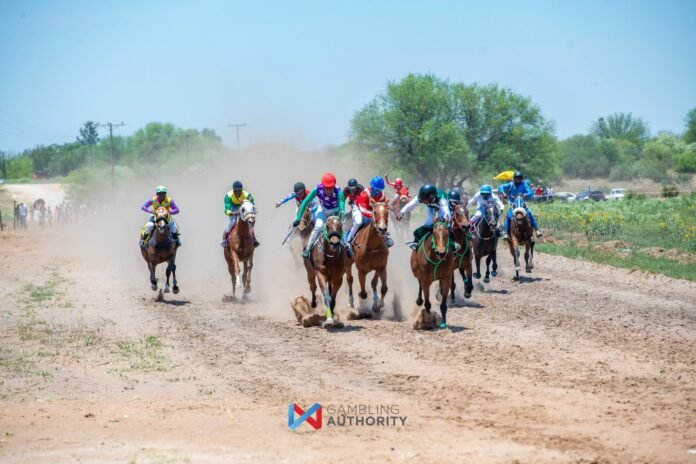

Ghanzi is positioning itself as the centre of the local horse racing industry with calls for the development of an international-standard racing facility following the successful staging of the Ghanzi Derby last Saturday.
The event, which brought together horse owners, jockeys, racing enthusiasts and spectators, has strengthened calls for more investment in a sport that government believes has the potential to become a significant contributor to the economy.
Minister of Sport and Arts Jacob Kelebeng said horse racing was among Botswana’s fastest-growing sporting disciplines. He said government is committed to creating an environment that supports its development and commercialisation.

“Horse racing has gained the momentum across our country,” Kelebeng said, reaffirming government’s commitment to working with stakeholders to professionalise the industry.
He said government was collaborating with the Gambling Authority, Botswana National Sports Commission and Botswana Horse Racing Association (BHRA) to strengthen standards, particularly around professionalism, safety and integrity.
A major development is the Gambling Authority’s work on Botswana’s first National Horse Racing Strategy, which Kelebeng said would provide a framework for licensing, infrastructure standards, skills development, betting regulation and animal welfare.
The minister also called on private companies to increase their investment in horse racing, arguing that the industry could create employment opportunities through its wider economic value chain.
The minister also called on private companies to increase their investment in horse racing, arguing that the industry could create employment opportunities through its wider economic value chain.
“Your involvement can unlock the full potential of this industry and build a modern, ethical, and commercially viable horse racing ecosystem,” he said.
Meanwhile, Ghanzi Member of Parliament Noah Salakae made a case for the district to host an international horse racing facility, arguing that the area’s historical association with the sport made it the natural home for such an investment.
Salakae traced organized competitive horse racing in Ghanzi to 1974, when it became part of the annual Ghanzi Agricultural Show.
“Ghanzi is the spiritual home of horse racing. We didn’t just join this sport; it is our innovation. We started it, we nurtured it, and we built it,” he said. He proposed a permanent facility equipped with grandstands, professional stables and paddocks, saying no other place in Botswana was better suited to host such a development.

Salakae also highlighted the derby’s economic contribution, pointing to opportunities created for street vendors, retailers, entrepreneurs and hospitality businesses.
Gambling Authority chief executive officer Moruntshi Kemorwale said protecting the sport’s credibility was essential to attracting investors and sustaining public confidence. He emphasised the need to eliminate doping and race-fixing while ensuring compliance by horses, jockeys and bookmakers.


