

In Botswana, colonial-era laws criminalizing same-sex relations were struck down by the High Court in 2019. The decision was upheld by the Court of Appeal in 2021, marking a landmark victory for the rights of LGBTIQ+ people in the country.
Botswana gained independence from United Kingdom in 1966. More than five decades later, the Southern African country took a major step towards equality when its courts ruled it unconstitutional to criminalise consensual same-sex relations.
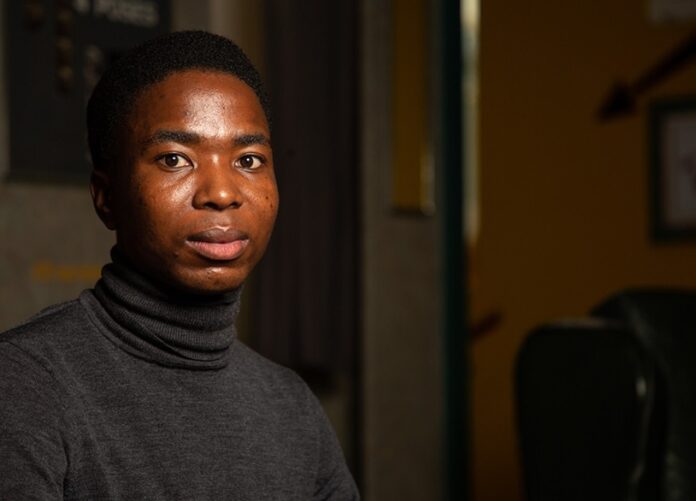
The legal challenge was brought by Letsweletse Motshidiemang, a 21-year-old graduate in English and African studies, who decided to take the Government to court. He received support from civil society organizations LEGABIBO, BONELA and the Southern Africa Litigation Centre, which played important roles in the court victories and continue to provide vital support and advocacy for the community, despite operating with limited resources.
“The reason why I challenged the Government to decriminalize homosexual acts in our country is mainly because of my sexuality. I’m gay. So, the law affected me,” Motshidiemang said.
At the time, Botswana’s Penal Code criminalized consensual same-sex sexual conduct, with penalties of up to seven years in prison.
For Motshidiemang, the court ruling was more than a legal outcome. It was a recognition of the dignity and rights of LGBTIQ+ people.
“My success gave people the freedom to love,” he said.
When the High Court of Botswana found that the criminalization of same-sex relations violated the rights to liberty, privacy, dignity and non-discrimination, Motshidiemang described the ruling as a “legal victory”.
“It helped many people feel seen, safer and more confident to live openly,” he said. “Today, more conversations are happening, and many Batswana are becoming more tolerant and understanding.”
As the world marks Pride month, Botswana’s experience reflects both the progress that has been made and the work that remains.
UN Human Rights Chief Volker Türk has acknowledged recent progress for the human rights of LGBTIQ+ people globally, including in Botswana.
On June 11, 2019, the High Court of Botswana ruled in favor of Motshidiemang, declaring the contested sections of the Penal Code unconstitutional. The court found that these laws violated the rights to liberty, privacy, and dignity as enshrined in the Constitution. The ruling emphasized that sexual orientation is an innate characteristic and that the criminalization of same-sex conduct served no legitimate public purpose .
“The past year has seen some important progress for their human rights,” Türk said. “Botswana removed the provisions criminalizing same-sex conduct in response to court rulings.”
In his message, Türk warned against hate, noting that history has shown that when societies normalize hatred and discrimination against LGBTIQ+ people, they create conditions for wider repression.
For Motshidiemang, that warning resonates deeply. Although Botswana’s court rulings marked a major step forward, he says the lived reality for many LGBTIQ+ people remains difficult.
Motshidiemang, a Setswana teacher in North-Western Botswana, said the legal change was only one part of the journey.
“The struggle is not over,” he said. “We still face discrimination, rejection, violence and homophobia. Changing the law alone is not enough — we must also change hearts, attitudes and systems.”
He called for greater support and funding for like-minded human rights organizations working to protect the rights of LGBTIQ+ people.
“What we want now is simple: safety, equality, dignity and protection for all people, regardless of who they are or who they love,” he said. The law changed. The fight didn’t. Watch one LGBTQI+ advocate’s story from Botswana.
Background of the Case
The case of Motshidiemang v. Attorney General marked a significant legal victory for LGBTQ+ rights in Botswana, leading to the decriminalization of homosexuality and the recognition of fundamental
Letsweletse Motshidiemang, a gay man, challenged the constitutionality of several provisions in Botswana’s Penal Code that criminalized same-sex sexual acts. Specifically, he contested Sections 164, 165, and 167, which imposed penalties for “carnal knowledge against the order of nature” and other related offenses. Motshidiemang argued that these laws violated his rights to dignity, liberty, and privacy, as well as his right to be free from discrimination under the Constitution of Botswana
Motshidiemang’s legal team, supported by the organization Lesbians, Gays and Bisexuals of Botswana (LEGABIBO) as amicus curiae, presented evidence that the criminalization of same-sex conduct not only infringed on individual rights but also contributed to societal stigma and discrimination against LGBTQ+ individuals. They argued that the laws disproportionately affected gay men and created barriers to accessing healthcare and other essential services
On June 11, 2019, the High Court of Botswana ruled in favor of Motshidiemang, declaring the contested sections of the Penal Code unconstitutional. The court found that these laws violated the rights to liberty, privacy, and dignity as enshrined in the Constitution. The ruling emphasized that sexual orientation is an innate characteristic and that the criminalization of same-sex conduct served no legitimate public purpose .
The decision in Motshidiemang v. Attorney General not only overturned previous legal precedents but also set a significant milestone for LGBTQ+ rights in Botswana and the broader African context. It affirmed the importance of protecting individual rights and freedoms, contributing to the ongoing struggle for equality and non-discrimination for LGBTQ+ individuals in the region.
This landmark case has been celebrated as a progressive step towards recognizing and upholding the rights of marginalized communities in Botswana, highlighting the need for continued advocacy and legal reform to ensure equality for all individuals, regardless of sexual orientation.
*Additional reporting by The Office of the United Nations High Commissioner for Human Rights (OHCHR.


