


…as S&P downgrades the country to BBB-
Botswana’s reputation for diamond fuelled stability has taken another knock. On March 13th, S&P Global Ratings lowered the country’s sovereign credit rating to BBB- from BBB, warning that weak global demand for diamonds will keep the government short of cash and force it to borrow more heavily for years to come. The outlook is negative, meaning further downgrades remain possible.
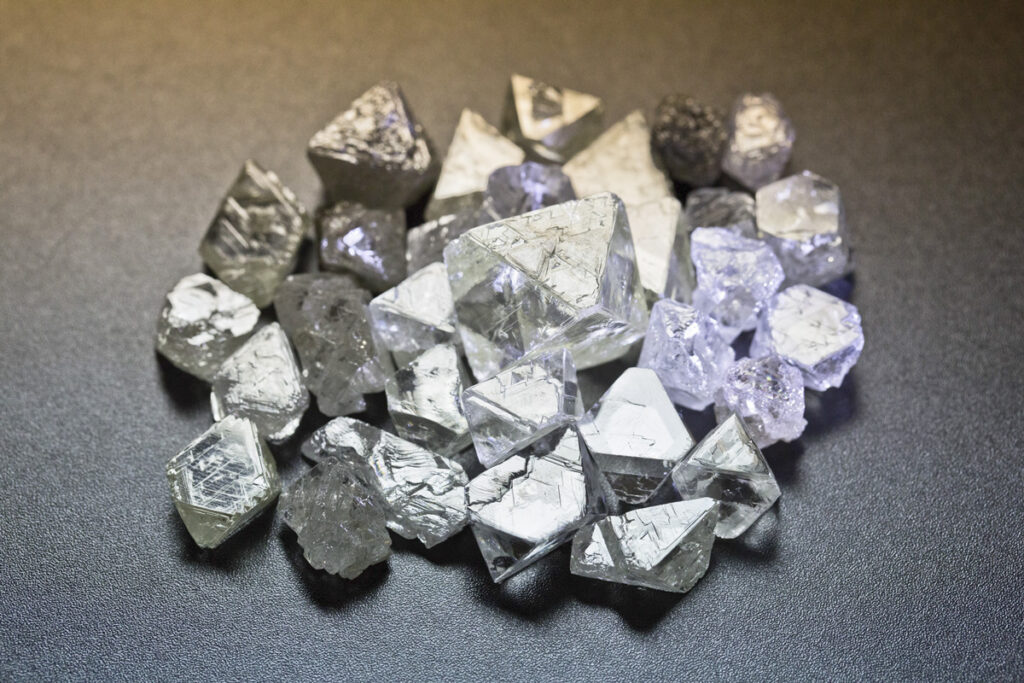
The downgrade reflects what the agency calls a “structural” shift in the diamond market. Botswana, the world’s second largest producer of rough stones, still depends on the sector for roughly 70% of exports, about one third of government revenue and a quarter of GDP. Prices and volumes have fallen sharply since 2023, squeezed by lab grown diamonds, weaker luxury spending and softer demand in China. Production cuts by Debswana, the main mining company, have compounded the pain.
The result is a stubborn fiscal hole. S&P expects budget deficits to remain large through the decade, reaching nearly 9% of GDP in the 2026/27 financial year, with public debt climbing to about 37% of GDP by 2029, up from a net asset position only a few years ago. Borrowing costs are rising too, as the government relies more on domestic debt while savings in its reserve funds dwindle.
None of this erases Botswana’s strengths. S&P still credits the country with strong institutions, prudent policymaking and a history of careful resource management, qualities rare among commodity exporters.
External buffers are also thinner than they once were. Foreign exchange reserves have fallen to about $3.8 billion from $7.5 billion in 2017, leaving the central bank to loosen exchange rate controls and adjust the crawling peg system to conserve dollars. Even with those measures, the ratings agency expects current account deficits to return as diamond exports remain subdued and imports stay high.
None of this erases Botswana’s strengths. S&P still credits the country with strong institutions, prudent policymaking and a history of careful resource management, qualities rare among commodity exporters. A peaceful transfer of power after the 2024 election also counts in its favour. But the new government’s ambitions to diversify the economy, expand social spending and roll out an expensive development plan risk colliding with weaker revenues just as the diamond boom fades.
For decades Botswana’s sparkle came from the certainty that diamonds would pay the bills. The downgrade suggests that assumption no longer holds. Unless the global market for natural stones recovers, or the country finally finds another engine of growth, the world’s most famous diamond economy may have to learn to live with less glitter.


