
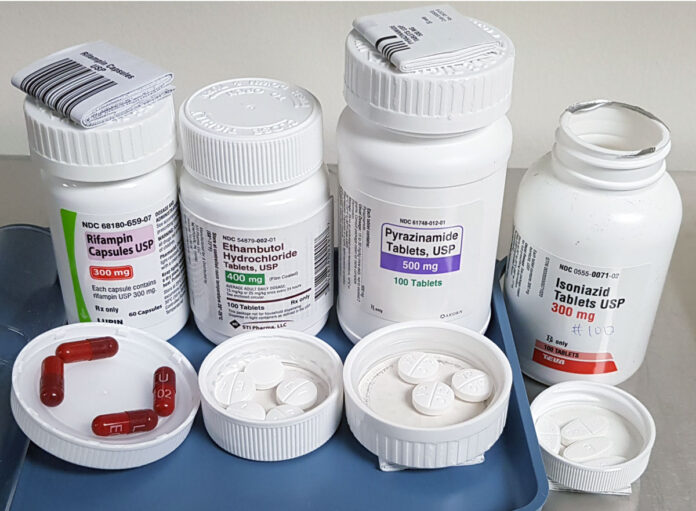


The government has admitted that hundreds of tuberculosis (TB) patients were given medication of reduced effectiveness in 2025. The medication prompted a rise in treatment failures before the drugs were withdrawn and replaced.
Responding to a question from Tati East MP Tlhabologo Furniture, Health Minister Stephen Modise said, “a total of 1,201 out of 2,868 TB patients received the affected medication during the period in question.”He said following concerns regarding reduced efficacy, the medicines were withdrawn towards the end of November 2025 and replaced with WHO-prequalified alternative medicines.
Routine monitoring recorded a sharp increase in treatment failures, with Modise telling parliament the treatment failure rate increased from 23 cases in 2024 to 62 cases in 2025, raising alarm about the effectiveness of the medicines administered during the affected period.”
Routine monitoring recorded a sharp increase in treatment failures, with Modise telling parliament the treatment failure rate increased from 23 cases in 2024 to 62 cases in 2025, raising alarm about the effectiveness of the medicines administered during the affected period.”
The government is currently testing patients for drug-resistant TB, DR-TB, a potential consequence of inadequate treatment. “To date, specimens have been collected from 352 patients for drug-resistance testing,” Modise said, adding that “four confirmed cases of DR-TB have been identified among those tested.”
However, he said their resistance pattern is not linked to the AYESHA drug combination.
On mortality, Modise said TB-related deaths remained broadly unchanged. “At this stage, there is no evidence of a direct causal link between the affected medication and TB-related mortality,” he said, adding that most deaths occur among TB and HIV co-infected patients.
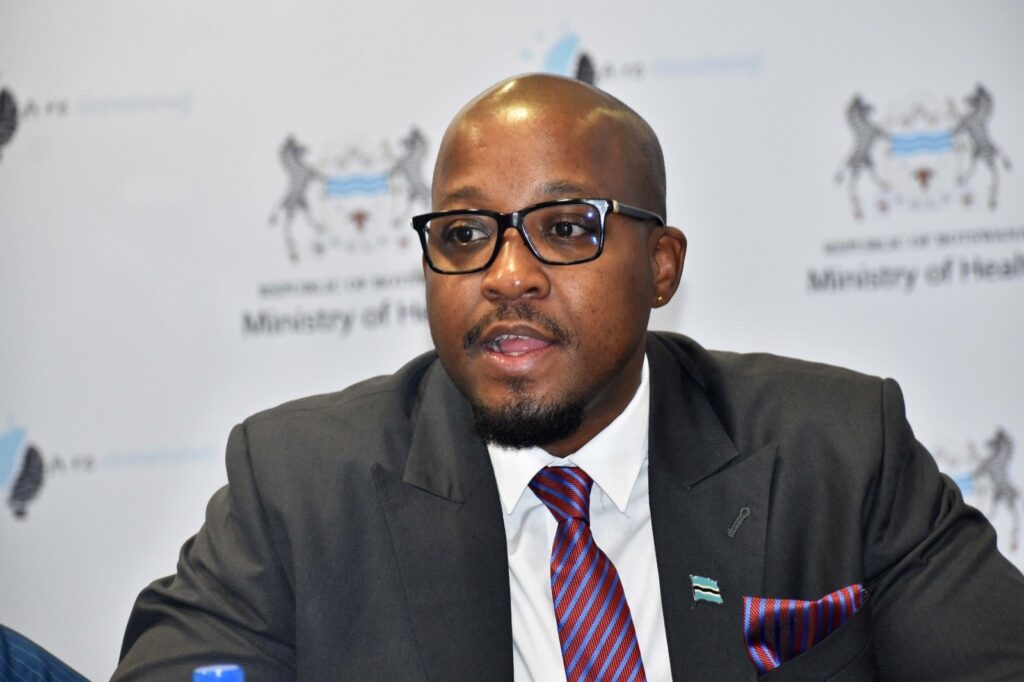
The government has since implemented corrective measures. “Upon identification of concerns regarding the efficacy of the medicines, government instituted immediate corrective measures,” he said, listing the withdrawal of the medicines, distribution of replacement drugs, and recall of patients for reassessment.“To date, 1,113 patients, approximately 93%, have been reassessed,” he added.
Special measures include intensified follow-up and prioritised care for patients who develop drug-resistant TB. “Should any patient be confirmed to have DR-TB, they will be promptly commenced on the appropriate second-line treatment regimen,” Modise said. The ministry said it would continue surveillance and keep parliament informed of further developments.


