
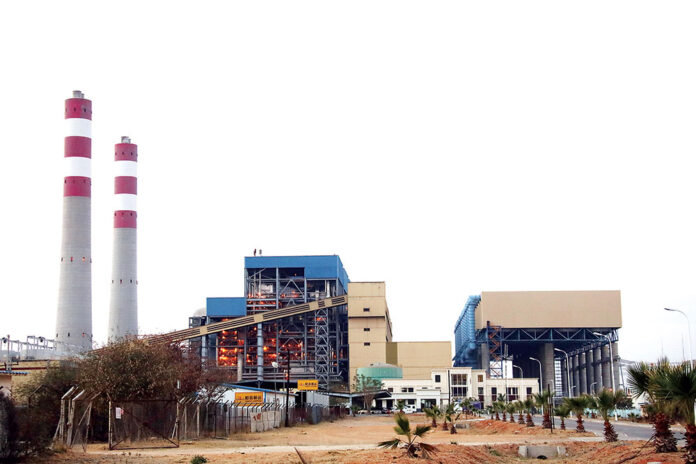

Business Botswana has raised concern over the proposed 46 percent electricity tariff increase for the 2026/27 financial year by the Botswana Power Corporation (BPC), warning that the move could slow private-sector growth and threaten the country’s fragile economic recovery.
In a statement, the business lobby said the proposed adjustment poses “a significant risk to private-sector growth, the primary driver of investment, employment and economic activity,” and could undermine long-term economic sustainability.
Business Botswana emphasised that a vibrant, competitive and enabling business environment is central to economic transformation, job creation and fiscal stability. “Affordable, reliable and predictable electricity pricing remains a key enabler for businesses to invest, expand operations and contribute meaningfully to national development priorities,” the organisation said.
The association noted that the proposed hike follows a 24 percent electricity tariff increase implemented in July 2025, arguing that cumulative increases would substantially raise operating costs for businesses and households across all sectors. “Such increases would constrain productivity, discourage investment and put jobs at risk, particularly among small, medium and informal enterprises, which form the backbone of employment and economic activity,” Business Botswana said.
To safeguard economic stability while supporting a sustainable energy sector, Business Botswana called for a balanced and phased approach to electricity tariff adjustments, supported by a predictable, multi-year pricing framework. It further urged that tariff decisions be linked to “demonstrable improvements in efficiency, governance and cost containment within the power utility.”
While acknowledging the importance of ensuring the long-term financial sustainability of the national power utility, Business Botswana cautioned against using tariff increases to offset inefficiencies within the electricity supply industry. “Passing these costs on to businesses and consumers would weaken competitiveness and undermine the economy’s productive capacity,” the statement noted.
To safeguard economic stability while supporting a sustainable energy sector, Business Botswana called for a balanced and phased approach to electricity tariff adjustments, supported by a predictable, multi-year pricing framework. It further urged that tariff decisions be linked to “demonstrable improvements in efficiency, governance and cost containment within the power utility.”
The organisation also recommended the introduction of differentiated and targeted tariff structures to protect productive and vulnerable sectors, including manufacturing, agriculture, healthcare, tourism, and micro and informal enterprises. It called for increased investment in alternative and cost-efficient energy solutions, such as renewable energy, alongside greater private-sector participation and accelerated energy sector reforms.
Business Botswana reaffirmed its commitment to working with government, regulators and other stakeholders. “We remain committed to partnering with all stakeholders to build a sustainable and resilient energy sector, anchored in policies that protect growth, support investment and safeguard jobs,” the organisation said, adding that electricity pricing decisions should support inclusive growth, industrial development and long-term economic resilience.


