
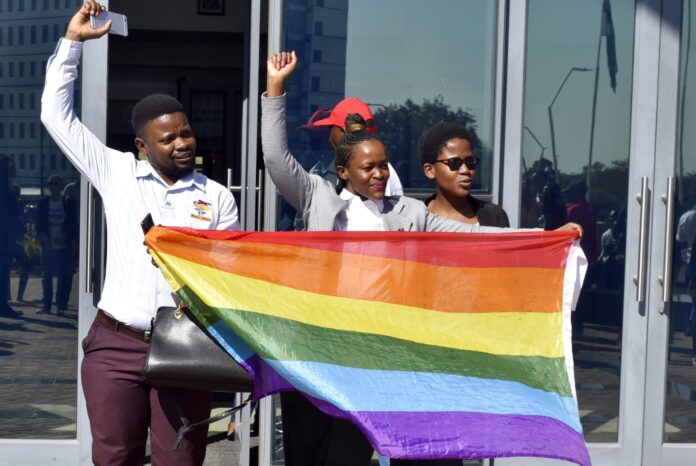

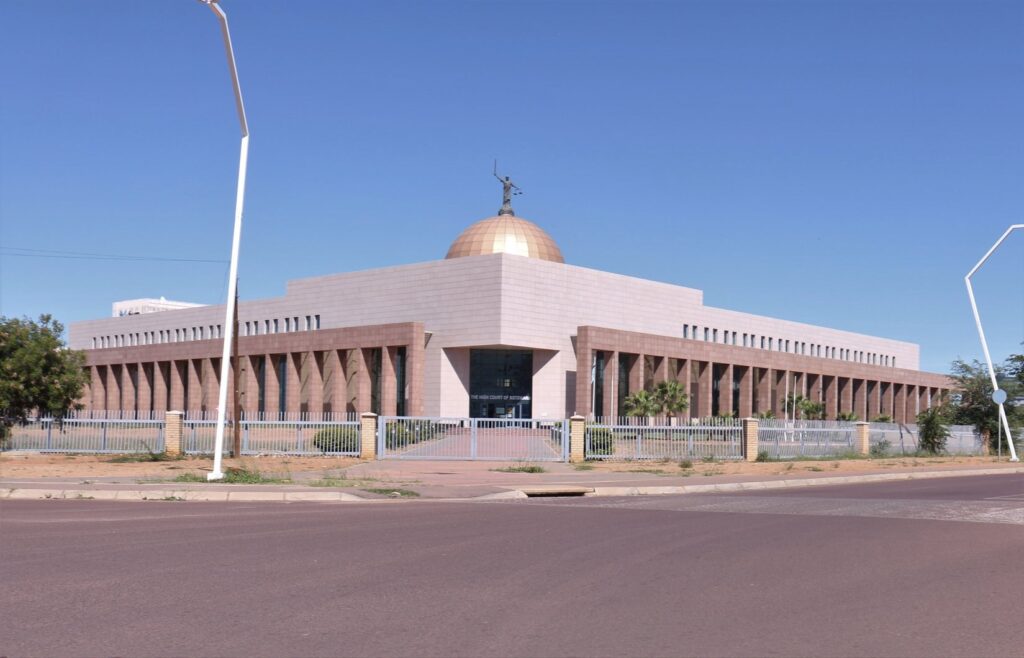
Two religious organisations have asked the High Court to join a constitutional challenge brought by a lesbian couple seeking legal recognition of their marriage, arguing that the outcome could have implications beyond the rights of the applicants.
The Dingwetsi Association of Botswana and the Botswana House of Prayer and Transformation have filed applications to intervene in proceedings brought by Bonolo Omphile Selelo and Tsholofelo Seele Kumile.
The couple is challenging the government’s refusal to register and solemnise their marriage. They seek a review of the Acting Director of Civil Registration’s decision not to publish their marriage banns and ask the court to declare that Section 10(2) of the Marriage Act does not exclude same-sex couples.
“The issue at the core of this matter is whether the State may single out a class of adult citizens, defined by the sex of the persons they love and wish to marry, and exclude them from one of the law’s central civil institutions,” the organisation states in its filing.
Alternatively, they argue that the provision violates constitutional rights, including equality and protection from discrimination.
Attorney Onalethata Kambai, representing the two organisations, argues that the case raises broader questions concerning Botswana’s constitutional order, customary law and social values.
“The main application does not only concern the rights of its applicants as a same sex couple. The main application concerns rights of the entire nation of Botswana as well as the nation’s social fabric and views on morality,” the organisations state in court papers.
The Botswana House of Prayer and Transformation says one of its objectives is to encourage citizen participation in governance and national development. The Dingwetsi Association describes itself as a cultural organisation promoting a biblical understanding of marriage and family life.
The organisations argue that Botswana’s Marriage Act recognises marriage only between a biological man and a biological woman and contend that any judicial recognition of same-sex marriage could have implications for a range of other laws.
Among the legislation they cite are the Children’s Act, Adoption Act, Births and Deaths Registration Act, Inheritance Act, Maintenance Act, Married Persons Property Act and Succession Act.
“The outcome of this litigation is of great significant public importance… affecting multiple existing Acts of legislation [and] the moral fabric of Botswana society,” they argue.
The organisations further contend that Parliament and Ntlo ya Dikgosi, rather than the courts, should determine any changes to marriage law.
The Evangelical Fellowship of Botswana (EFB), which represents 75 churches, has also applied to participate in the proceedings.
EFB lawyer Dudu Boswaen said the organisation sought joinder because its ministers are legally authorised to solemnise marriages.
“EFB is applying for a rejoinder because their ministers are recognised by law to administer marriages. Since these are our members, we want to be part of the case because it affects them. Same sex marriage also goes against the beliefs of their members who are Christians,” Boswaen said.
The Attorney General did not oppose the applications for joinder, according to court filings.
Meanwhile, LEGABIBO has also applied to join the proceedings, arguing that the refusal to recognise same-sex marriages amounts to discrimination and infringes constitutional rights including dignity, equality, freedom of expression and freedom of association.
“The issue at the core of this matter is whether the State may single out a class of adult citizens, defined by the sex of the persons they love and wish to marry, and exclude them from one of the law’s central civil institutions,” the organisation states in its filing.
According to LEGABIBO, same-sex couples are being denied access to legal recognition and protections available through civil marriage, including rights and benefits associated with recognised unions.
The High Court has set 22 and 23 October 2026 for the hearing of the main constitutional challenge. An application by University of Botswana lecturer Dr Onthatile Moeti to participate as a friend of the court will be heard on 4 September 2026.


