



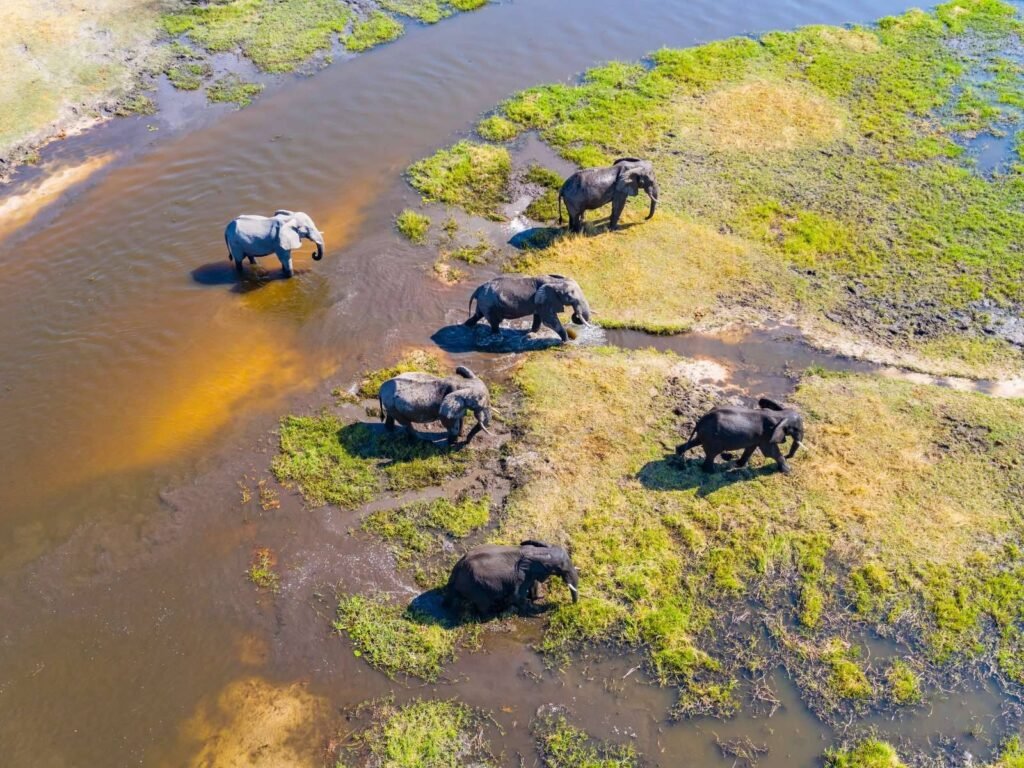
A visitor can return home with a beautiful photograph of the Okavango Delta and remember it for years. The water catches the light. The animals move across an extraordinary landscape. The image becomes a treasured reminder that the natural world deserves protection.
But there is something the camera may not show.
Beyond the frame are people who live with that landscape every day. There are families who know what a difficult season means, young people considering where they can find work, and residents who have helped sustain a community long before a visitor arrived. Their future should matter just as much as the view.
I was drawn to News&All Botswana’s October 18 feature on the film “Connected Landscapes, Thriving Communities.” The story describes the work of the African Bush Camps Foundation in Ditshiping, a remote village in the Delta, and asks whether the benefits of a tourism economy reach the people who call the area home.
Conservation and community well-being should strengthen each other. When people are asked to live alongside protected landscapes, their knowledge and concerns deserve an influential place in decisions. The residents who know the paths, seasons and practical demands of daily life are not background figures in somebody else’s environmental success story.
It is a more valuable question than whether a destination can attract another impressive photograph.
Conservation and community well-being should strengthen each other. When people are asked to live alongside protected landscapes, their knowledge and concerns deserve an influential place in decisions. The residents who know the paths, seasons and practical demands of daily life are not background figures in somebody else’s environmental success story.
That is why development must be more than an announcement that a project exists. A training programme matters if it gives people skills they can use. A livelihood initiative matters if participation is genuinely accessible.
An educational opportunity matters if the child can reach it. A consultation matters if residents can see how their words changed a decision.
From my Christian perspective, there is a striking lesson in Acts 6. The early church was growing, but a group of widows was being overlooked in the daily distribution of food.
The apostles did not dismiss the complaint as an inconvenience or claim that the community’s good intentions were enough. They changed the way the work was organised so that those being missed could be served more fairly.
That passage is about the Church, not a tourism policy. Still, it shows a kind of responsibility that can guide the way Christians participate in public life: whenever the benefits of a shared undertaking are not reaching certain people, we must be willing to examine the system, not merely praise the mission.
The same habit is valuable in any community, regardless of faith.
A destination may create employment and business opportunities, but which residents can access them? Are there pathways for young people who lack established connections? Can women and people with disabilities take part? Are local entrepreneurs able to understand the requirements for supplying goods or services? When a project changes, is there a trusted way for villagers to raise concerns without fear of embarrassment or retaliation?
These questions should be asked with respect, not with the assumption that outsiders know the answers. Ditshiping’s residents, community leaders and people with relevant professional expertise must be central to the conversation. No distant commentator can honestly prescribe the perfect arrangement for a village he has not visited.
We should also resist treating conservation as an opponent of local livelihoods. Healthy environments support the long-term well-being of communities, while strong, informed communities can be vital partners in protecting them. The point is to bring those responsibilities together through trust, fair opportunity and a willingness to listen.
The work may be less dramatic than the moment a film is released. It involves keeping commitments, reviewing outcomes, adjusting what has not worked and giving people enough information to judge progress for themselves. A new business opportunity should not disappear because its application process is unintelligible. A promise of training should not be forgotten once the visiting team has departed.
Faith communities, too, can contribute without claiming ownership of the work. Churches can encourage young people, respect the expertise of local residents, celebrate honest service and remind people that the dignity of a family is not measured by its usefulness to tourists.
In doing so, they must make room for neighbours of other religions and traditions.
There is a quiet peacebuilding dimension here. Resentment can grow when people believe that everyone benefits from their surroundings except those who live with the consequences. Trust grows when communities see that opportunities, responsibilities and decisions are handled openly and with care.
The Delta will always deserve admiration for its beauty. But beauty is not the only measure of a place. A child who can imagine a meaningful future there, a worker treated fairly, an older resident whose knowledge is respected, and a village able to influence its own development are achievements worthy of equal attention.
A photograph can help us remember the landscape. Justice asks us to remember the neighbours who live beyond its edges.


