

The transformation of Botswana’s public transport system has taken an important step forward, with the Citizen Entrepreneurial Development Agency (CEDA) leading the establishment and implementation of TANA, a Government initiative aimed at modernising urban mobility and improving access to economic opportunities.
TANA is being developed as an integrated metro bus and rail transport system, with the initial phase introducing all-electric metro buses under the country’s eMobility capacity initiative. The programme forms part of a broader vision to establish a modern, efficient and sustainable public transport network that better connects communities, businesses and essential services.
This past weekend, members of the public were among the first to experience TANA, enjoying free rides aboard the electric buses across Gaborone. The public activation marked the beginning of a five-month trial period designed to introduce the service, assess its operations and support preparations for a wider rollout.
Beyond introducing a new mode of transport, TANA represents an opportunity to rethink how Botswana’s public transport sector is organised, operated and developed.
Beyond introducing a new mode of transport, TANA represents an opportunity to rethink how Botswana’s public transport sector is organised, operated and developed.
At the centre of this transformation is a partnership-driven approach that recognises the important role of existing transport operators and workers. The long-term ambition is to move towards an integrated public transport enterprise in which existing industry participants are not displaced by modernisation, but are empowered to participate in the ownership and delivery of the new system.
CEDA’s leadership of the initiative follows a directive issued by the Ministry of Transport and Infrastructure on 19 October 2026, mandating the Agency to establish and operationalise the project company, put in place the necessary governance structures and coordinate implementation.
Under this mandate, CEDA is responsible for mobilising and managing funding, coordinating procurement, engaging technical expertise and overseeing project management and reporting. The Agency is also tasked with establishing the institutional and operational arrangements necessary to support TANA’s development.
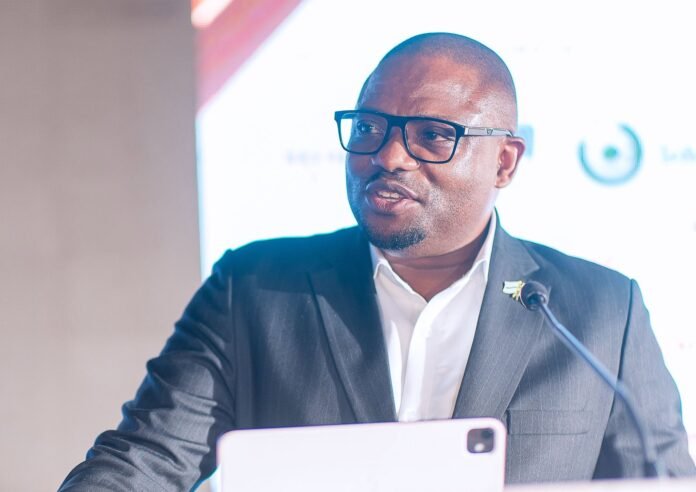
CEDA Caretaker Chief Executive Officer, Khalala Mokefane, said the introduction of the electric buses represents an important milestone in a much broader transformation process.
“CEDA’s responsibility is to establish the company and coordinate the governance, funding, procurement and technical support required to operationalise TANA. The initial bus trials are an important step in that process, alongside the work needed to support the company’s operations,” said Mokefane. The programme is expected to improve connections between residential communities and centres of employment, education, healthcare and commerce. By strengthening these connections, TANA seeks to make public transport an enabler of economic participation, productivity and improved quality of life.
Its longer-term vision extends beyond metro buses to include an integrated rail network, supported by coordinated transport infrastructure, technology and partnerships.
Implementation will require close collaboration between the Ministry of Transport and Infrastructure, CEDA, local authorities, existing transport associations and other stakeholders. This approach is intended to ensure that the modernisation of public transport creates opportunities for meaningful participation across the sector.
Implementation will require close collaboration between the Ministry of Transport and Infrastructure, CEDA, local authorities, existing transport associations and other stakeholders. This approach is intended to ensure that the modernisation of public transport creates opportunities for meaningful participation across the sector.
Mokefane emphasised the importance of keeping the public informed as the programme moves through its various stages.
“The public needs clear information as implementation progresses. Our communication must explain what is being introduced, the stage we have reached, and the arrangements confirmed for passengers,” he said.


