
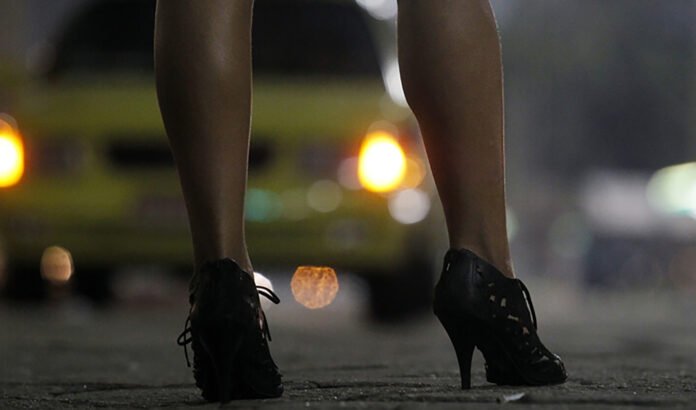

The Botswana Network on Ethics, Law and HIV/AIDS (BONELA) has thrown its weight behind a parliamentary push to decriminalise sex work. The organisation warns that Botswana’s current legal framework is fuelling violence, discrimination and barriers to HIV prevention and treatment.
BONELA says Parliament now has an opportunity to dismantle laws that it argues have driven sex workers into the shadows while doing little to protect them from abuse.
The organisation is supporting a motion by Mogoditshane West MP Galenawabo Lekau calling on Government to repeal Sections 155 and 156 of the Penal Code. The sections criminalise living on the earnings of prostitution and keeping a brothel.
The organisation says the assessment found that 66 per cent of sex workers had experienced violence in the preceding 12 months while 73 per cent had experienced discrimination and 42 per cent had been subjected to blackmail.
The proposed reforms have put Botswana’s treatment of sex work under renewed focus with BONELA arguing that the country’s laws effectively criminalise sex work even though the consensual sale and purchase of sexual services between adults is not expressly prohibited.
According to BONELA, provisions dealing with solicitation, brothel keeping, living on the earnings of prostitution and related activities collectively expose sex workers to arrest, harassment, violence, stigma and exclusion from health and justice services.
BONELA points to what it calls alarming findings from the Hands Off! Needs Assessment which examined violence against sex workers in Botswana.
The organisation says the assessment found that 66 per cent of sex workers had experienced violence in the preceding 12 months while 73 per cent had experienced discrimination and 42 per cent had been subjected to blackmail.
The violence was reportedly perpetrated by clients, police officers, community members and health workers, and included physical, sexual, emotional and economic abuse.
BONELA argues that criminalisation worsens the vulnerability of sex workers because those facing abuse may be reluctant to report perpetrators for fear of arrest, harassment or further discrimination.
The organisation also warns that the legal environment is undermining Botswana’s HIV response. The assessment recorded HIV prevalence among sex workers at 54 per cent in Francistown, 65 per cent in Gaborone and 69 per cent in Kasane.
Yet only about 56 per cent of female sex workers had been reached by HIV-prevention services, according to the organisation.
BONELA says criminalisation, stigma and violence can compromise condom negotiation and discourage sex workers from seeking HIV testing, treatment and other essential healthcare services.
BONELA insists that decriminalisation should not be confused with legalising exploitation.
The organisation says Botswana’s own Legal Environment Assessment reached similar conclusions, finding that punitive laws surrounding sex work create barriers to HIV prevention, treatment and care and recommending that the laws be reviewed with a view to repeal.
It says human trafficking, coercion, child sexual exploitation and violence must remain criminal offences and should be aggressively prosecuted.
Instead, BONELA argues that repealing Sections 155 and 156 would remove legal barriers that prevent sex workers from accessing justice and healthcare while allowing law enforcement to concentrate on trafficking, exploitation and abuse.
The organisation says Botswana’s own Legal Environment Assessment reached similar conclusions, finding that punitive laws surrounding sex work create barriers to HIV prevention, treatment and care and recommending that the laws be reviewed with a view to repeal.
BONELA says Parliament should therefore act on evidence rather than stigma.
It argues that passage of Lekau’s motion would represent a major shift towards human rights, gender equality, public health and evidence-based law reform.
“Decriminalisation,” BONELA maintains, “does not mean condoning” trafficking, coercion, child sexual exploitation or violence.
The organisation has urged MPs to support the motion, saying its adoption would strengthen Botswana’s national HIV response and advance the constitutional protection of all persons without discrimination.


