
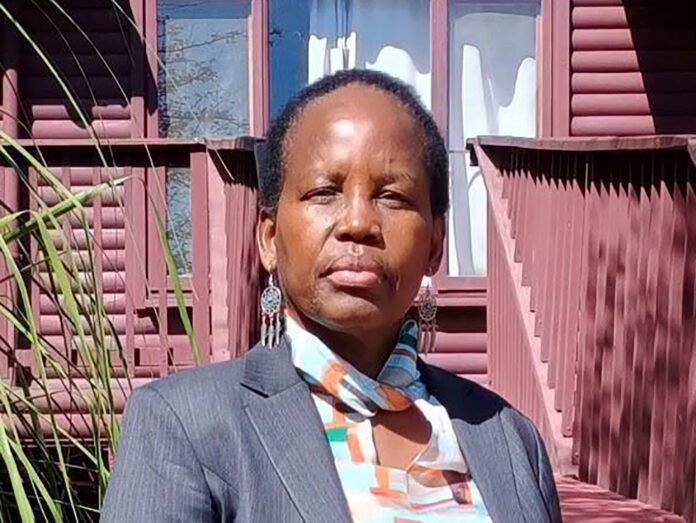


About a month ago I started to receive calls and texts from beef producers, grain producers, stakeholders in the agriculture industry and the general public. The common thread? Government’s unbending politics and policies in response to the problems in the agriculture sector. “The sector is on its knees,” is the refrain. Because I have taken the time to listen to cattle farmers in virtual and in-person meetings as well as through phone calls and texts, I limit my contribution in this post to the beef production and cattle farming sector.
I promise to engage further with other sectors in the coming months. There are between 30,000 and 35,000 farms that employ between 160,000 and 180,000 people in Botswana. There are between 350 and 1,000 people employed by the Botswana Meat Commission. Beef producers are forced to sell live cattle to the BMC at prices set by the government.
The BMC does not always pay on time and it doesn’t pay market prices. The beef producer sells to BMC at about P52/kg and the BMC sells to the EU at about P100/kg.
Keeping cattle in feedlots for nine months, especially vaccinated cattle, is irrational, unreasonable and expensive and may actually amount to cruelty to animals.
The BMC is subsidized by farmers; farmers who invest their own resources, including loans and pensions, carving roads in rough terrain away from resources enjoyed by other businesses. The BMC is perpetually cash-strapped and is routinely bailed out by cash injections from the state purse, your purse.
Last year, the BMC classified pre-payments from the EU as profit. If the BMC had indeed made a profit, it would have paid the Ngamiland farmers on time. The BMC’s books have not been audited since 2021. The BMC is a failed and failing State-Owned Enterprise kept afloat by the sweat of farmers and by the public purse — and, in the current economic situation, by loans.
The small cattle-post farmer does not benefit from the continued state protection of the BMC as trucking cattle to the BMC is prohibitively expensive.
In 2019, the government passed the Botswana Meat Commission (Transition) Act, the purpose of which was to liberalise the cattle industry and allow citizens to buy shares in the BMC. The Minister has not commenced the Act.
The Minister is refusing or declining to allow live exports of cattle.
Live export of cattle would bring more than P2.5 billion into the economy.
South Africa is ready and willing to buy Botswana’s cattle today. Only the Minister can make it possible.
Even if the BMC were to open today to slaughter, it does not have the capacity to absorb all the slaughter-ready cattle.
Keeping cattle in feedlots for nine months, especially vaccinated cattle, is irrational, unreasonable and expensive and may actually amount to cruelty to animals.
The continued protection of the BMC through maintaining it as a monopoly, price-setting and expansion into local retail is destroying the beef industry and is directly responsible for the low salaries of farm workers.
Not allowing live exports under current circumstances means zero income to farmers, layoffs in the industry, over-feeding in feedlots and the general aging of cattle. It means bankruptcy.
Allowing live exports will lead to an injection of capital into an ailing economy.
When, or if, the BMC finally opens, farmers will have to sell pregnant cows.
The BMC is now competing with butcheries by selling beef in-country. It chokes farmers at the border and chokes the local butcher as well.
The continued protection of the BMC through maintaining it as a monopoly, price-setting and expansion into local retail is destroying the beef industry and is directly responsible for the low salaries of farm workers.
Namibia is beating us hands down; it even used our quota to supply the BMC. South Africa is getting new markets even as it is affected by FMD. The FMD situation has exacerbated an already bad crisis, but the problem is not new. The management of FMD, however, is destroying livelihoods.El Niño will put the last nail in the farmer’s coffin.
Not trading for nine months is an existential threat for many farmers. Expect layoffs, unpaid loans, overstocking, bankruptcy and, sadly, mental health issues.
The national herd — and, I guess, the farmers are the herders, badisa ba dikgomo tsa sechaba — will continue to decline unless and until the industry is de-linked from an ailing, money-sucking State-Owned Enterprise.
The Minister can read this and decide to either ignore it as the ramblings of a mad opposition politician or he can call his advisors and listen. If they have the courage, they will tell him the truth. They are already telling us what they really think.
“Botswana does not have an FMD problem, it has a Three-Vets Problem.”
Let me let him in on what is whispered by his staff, farmers and the general public:
“Botswana does not have an FMD problem, it has a Three-Vets Problem.”
It’s time the government read the many, many, many reports, letters and minutes detailing how the cattle industry can be saved and grown. At a time when we are living on borrowed money, surely we should be saving the only industry that has the potential to save us in the short, medium and long term? Kana jang? #WeThePeople #UnityIsKey


