



Council Chairpersons and Mayors have been urged to take ownership of the Ministry of Local Government and Traditional Affairs’ 2026–2030 Strategic Plan and provide strong leadership to ensure effective implementation at district level.
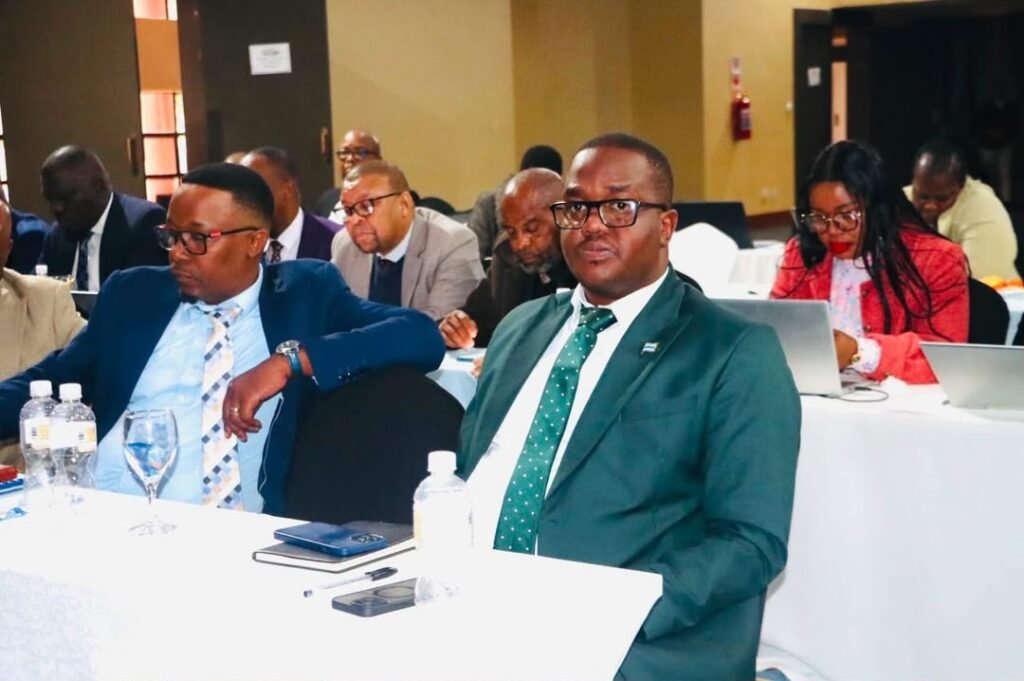
Speaking at the Forum for Council Chairpersons and Mayors this morning, Acting Permanent Secretary Tshepo Kebakile said the forum was aimed at refining and validating the draft strategy to ensure alignment with Government priorities, Vision 2036, National Development Plan 12 and the Botswana Economic Transformation Programme. The strategy also takes into account functions recently transferred to the Ministry during the restructuring phase.
The Minister further called on councils to become more entrepreneurial and investor-friendly, particularly by identifying opportunities to generate revenue and attract investment into districts. He stressed the need for efficiency, agility, accountability and adherence to timelines in government operations.
She emphasised the need for district leaders to build consensus, strengthen ownership and commitment, and harmonise operations between traditional governance institutions and local authorities to improve service delivery.
The forum also recognised the contribution of the United Nations Development Programme (UNDP), which partnered with and funded the development of the 2026–2030 Strategic Plan.
Minister of Local Government and Traditional Affairs, Hon Ketlhalefile FC Motshegwa, challenged leaders to be proactive, innovative and results-oriented, while continuously acquiring knowledge and developing the capacity of those they lead.

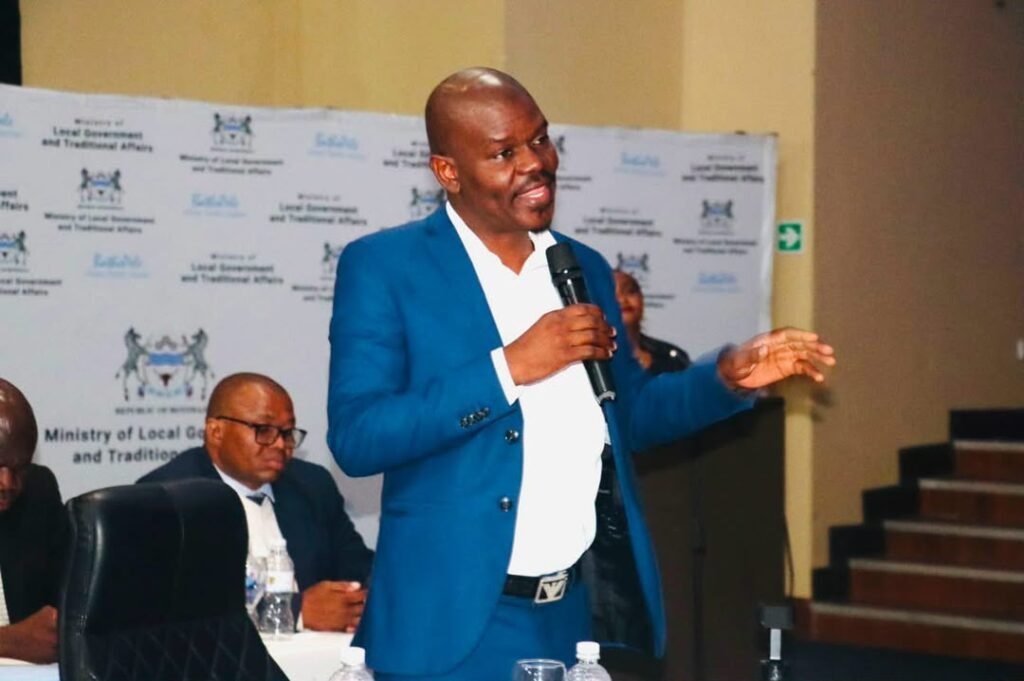
He highlighted the importance of re-engineering organisational processes, linking strategy with practical tactics, strengthening a high-performance culture and prioritising activities that deliver measurable results.
The Minister further called on councils to become more entrepreneurial and investor-friendly, particularly by identifying opportunities to generate revenue and attract investment into districts. He stressed the need for efficiency, agility, accountability and adherence to timelines in government operations.
He also underscored the importance of meritocracy, leadership development and mentorship, noting that effective implementation depends on capable people, strong organisational culture and strategic execution.


