

Some people are curious about how their friends and enemies would react to their death. I am one of those people. Unfortunately, we will never know. Faking my death is out of the question, but I admit I would be tempted just to see the reactions. I’m certain some people would be embarrassed once they realised I was still alive.
A few days ago, FIFA announced what many saw as the death of football through the disgraced FFE programme. UEFA, AFC and CONCACAF rightly mourned. CAF, meanwhile, appeared to be positioning itself for a share of the deceased’s estate, only to discover that football had risen from the dead. How embarrassing.
While the other confederations moved quickly to oppose the FFE in any form, CAF, through its president, said it was still considering its position. But what exactly was there to consider? Beyond promises of more money and increased FIFA grants for member associations, what was so compelling about the proposal?
CAF represents 54 member associations, many of which rely heavily on FIFA funding to develop football. That dependence, however, should not mean automatic support for every proposal that promises more money. Leadership requires looking beyond immediate financial gain and asking whether a decision will benefit African football for generations.
At the very least, CAF could have supported the FFE on principle, if there was any principle to support. However, the approach was fundamentally flawed. UEFA was quick to point that out, while CAF chose to “consider”.
It did not appear to ask the obvious questions about the long-term consequences of changing football’s commercial model. Would FIFA be able to sustain the development funding that seemed to attract so much support? What safeguards were in place? What would happen once commercial interests gained greater influence over the game?
There is also a bigger and more concerning question about leadership.
CAF represents 54 member associations, many of which rely heavily on FIFA funding to develop football. That dependence, however, should not mean automatic support for every proposal that promises more money. Leadership requires looking beyond immediate financial gain and asking whether a decision will benefit African football for generations.
CAF should have been at the forefront of demanding clarity, guarantees and proper consultation. It could have done so even while supporting the proposal in principle. The fact that the initiative has now encountered significant resistance, with some of its proponents appearing to backtrack, only makes CAF’s earlier hesitation more difficult to justify.
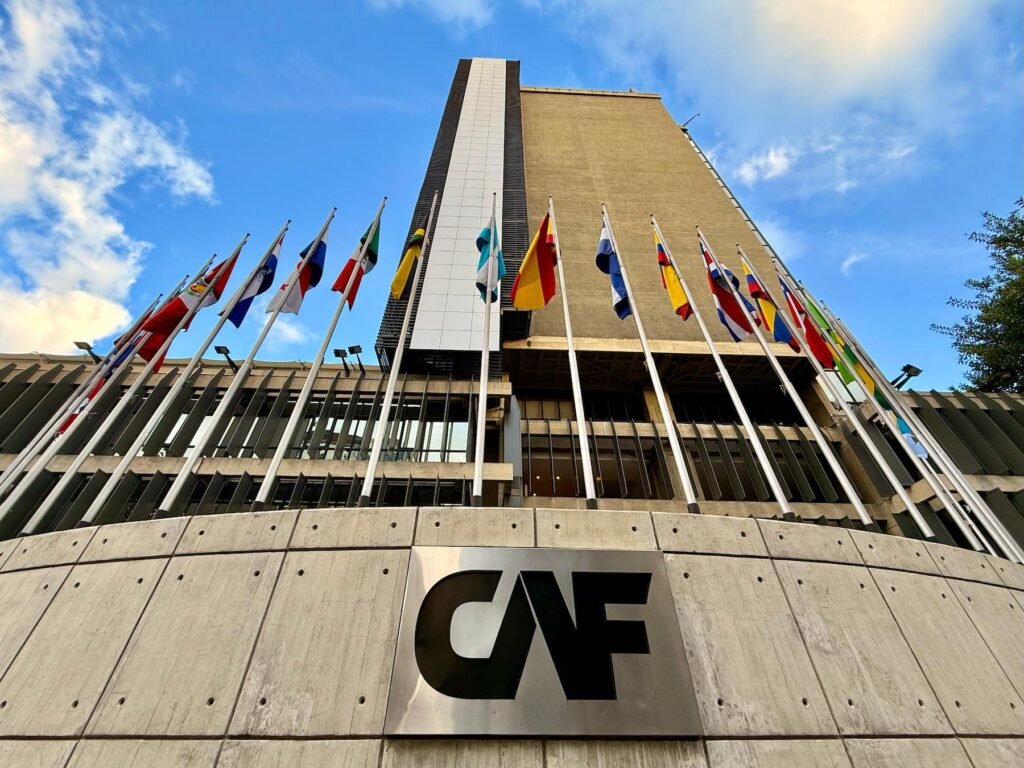
Of all the confederations, CAF has perhaps suffered the most from football’s scheduling challenges. Its competitions often clash with major club calendars, placing African players at a disadvantage compared to their counterparts elsewhere. If those challenges already exist under the current system, what would happen if greater control of the game were handed to commercially driven entities focused primarily on profit? For an organisation that frequently calls for greater respect and representation in world football, this was a moment to demonstrate independent leadership rather than political caution. It was an opportunity to establish the moral authority from which it could credibly challenge future injustices, demand equal opportunities for African football and stand firmly on the side of the game whenever it faces threats from unethical commercial interests.
This was a chance for CAF to show that its positions are not dictated by the promise of more money, but by a genuine commitment to protecting football and the people who depend on it. By taking a principled stand, CAF could have strengthened its voice and earned greater respect when contesting future decisions that disadvantage African football.
Instead, it appeared to be positioning itself to benefit from the proposed financial rewards. When football needed a defender, CAF had an opportunity to stand up—not only for Africa, but for the integrity and independence of the game itself.
Football has risen from the dead, or at least from the brink of it. Those who were dancing on its grave have now tucked their tails between their legs as the game rises, looks them in the eye and reminds them that it is not theirs to bury.


