
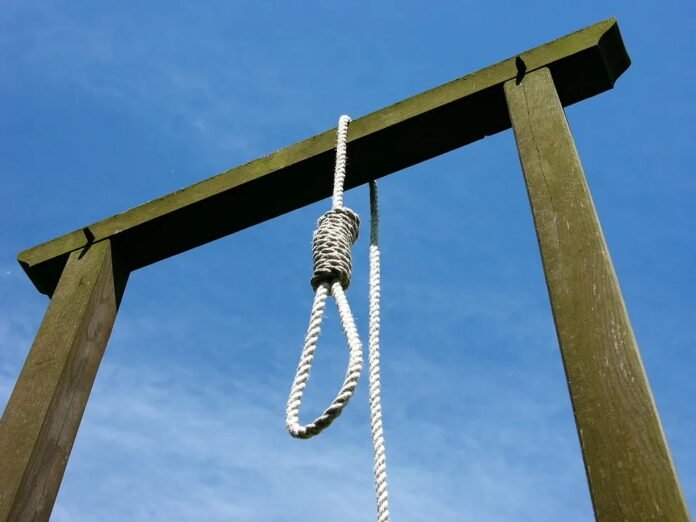


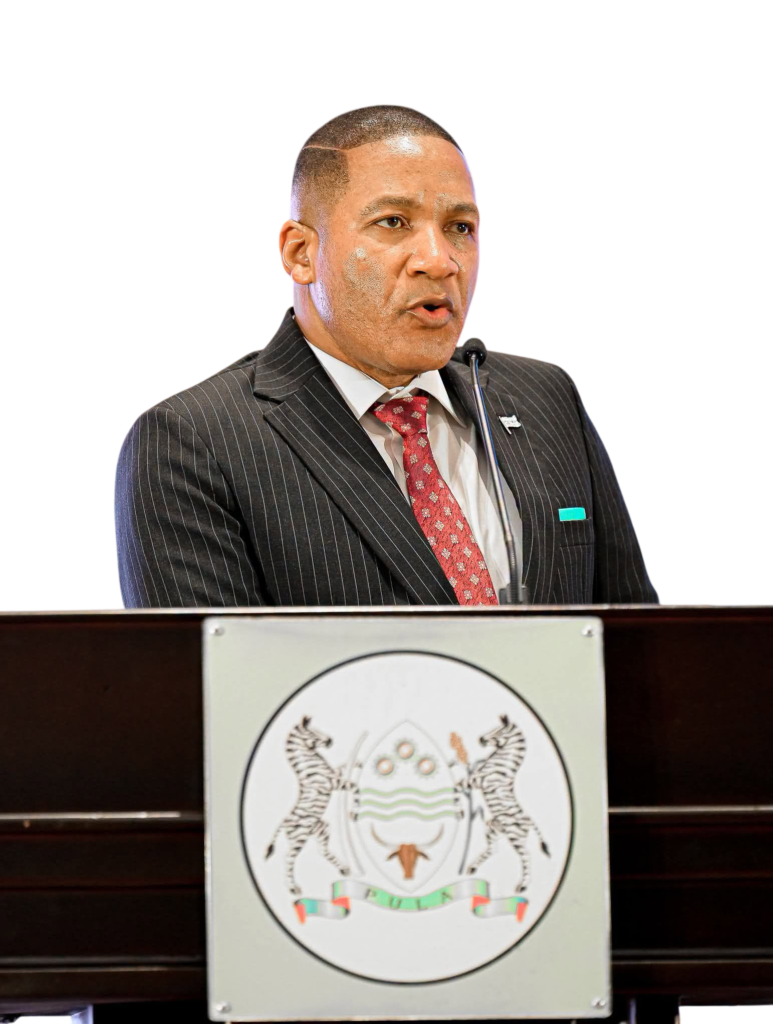
President Duma Boko faces a defining human rights test over Botswana’s continued use of the death penalty. DITSHWANELO is challenging the government to move towards abolition and formally suspend executions.
In a brief note marking World Day Against the Death Penalty on October 10, the human rights organisation said Botswana remained the only country in southern Africa actively retaining capital punishment, despite a regional shift towards abolition.
The challenge puts the government’s human rights commitments under the spotlight as the country continues to retain hanging as a lawful punishment for certain offences, even as neighbouring countries have abandoned the practice.
DITSHWANELO says Angola, Mauritius, Mozambique, Namibia and South Africa abolished the death penalty decades ago, while Zimbabwe abolished it in 2024. Zambia committed in 2024 to irreversible abolition in its laws.
DITSHWANELO wants the government to establish an official moratorium on executions, initiate a national dialogue on abolition and consider ratifying the Second Optional Protocol to the International Covenant on Civil and Political Rights (ICCPR), an international instrument aimed at abolishing the death penalty.
The organisation acknowledged that no death warrants have been signed by the President and no executions have been carried out since the current government took office in November 2024.
However, it argues that the absence of executions is not enough without a formal commitment to ending the practice.
It says Botswana’s Constitution protects the right to life but permits deprivation of life through the execution of a court sentence for offences prescribed by law.
The Penal Code also provides for capital punishment, including execution by hanging.
The country is a party to the ICCPR but has not ratified its Second Optional Protocol, which would commit it to abolition.
DITSHWANELO says Angola, Mauritius, Mozambique, Namibia and South Africa abolished the death penalty decades ago, while Zimbabwe abolished it in 2024. Zambia committed in 2024 to irreversible abolition in its laws.
Botswana’s continued retention of capital punishment therefore leaves it increasingly isolated among its southern African neighbours.
DITSHWANELO’s argument centres on the irreversible consequences of executing a person who may have been wrongly convicted. While an erroneous conviction can be overturned and an individual released, an execution cannot be undone.
The organisation cited the case of Lesedi Molapisi, who was sentenced to death by a Sessions Court in Bangladesh after being convicted of drug smuggling.
“The protection of society must be pursued in a manner which respects human rights, human dignity and the irreversible nature of capital punishment,” the organisation said.
On appeal, the High Court Division of Bangladesh’s Supreme Court found that the prosecution had failed to prove its case, acquitted her and discharged her.
DITSHWANELO argues that the case illustrates how higher courts can overturn lower-court decisions, raising questions about the consequences of imposing an irreversible punishment in justice systems vulnerable to evidential failures, inadequate legal representation and human error.
DITSHWANELO said the campaign’s 2026 theme, “Stories for Life”, highlights the social and structural circumstances that may contribute to people coming into conflict with the law, including poverty, discrimination, trauma and exposure to violence.
It says that opposing executions does not mean excusing serious crimes or disregarding victims and their families.
“The protection of society must be pursued in a manner which respects human rights, human dignity and the irreversible nature of capital punishment,” the organisation said.
The group argues that accountability and effective punishment can be achieved without taking another human life.
Its proposed national dialogue would bring together Parliament, the judiciary, legal practitioners, traditional leaders, faith-based organisations, victims’ groups, civil society, academics and communities.
DITSHWANELO said justice must be firm, fair and humane, guided by the national principle of Botho and respect for the inherent dignity of every human being.


