



The government has moved to calm fears of a fuel shortage this week. The Minister of Minerals and Energy, Bogolo Kenewendo, has told Parliament that the country holds enough petroleum stocks to avoid an immediate crisis, even as global tensions threaten supply chains.
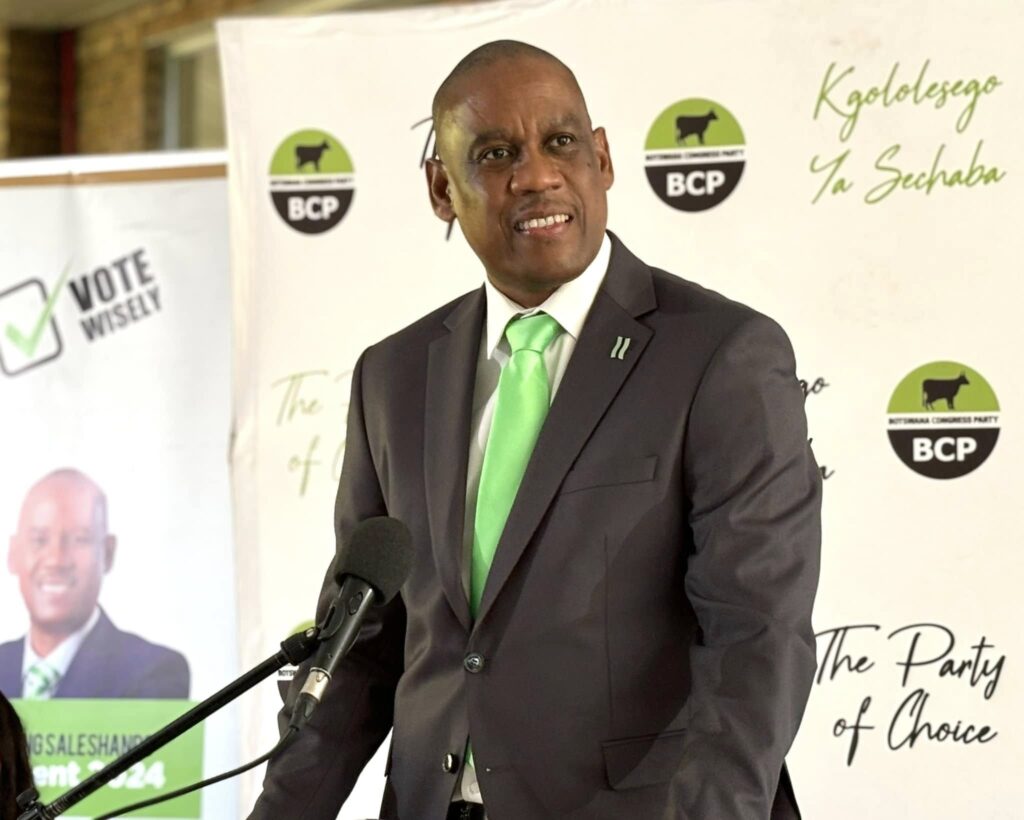
Answering a question from Maun North MP Dumelang Saleshando, the Minister said Botswana currently has strategic fuel storage capacity of 62.5m litres, equivalent to roughly 19 days of consumption at the prevailing national usage rate of 3.3m litres per day. Commercial stocks held by oil-marketing companies add another 46.8m litres, while a further 18.2m litres is in transit to the country. Botswana Oil Limited alone holds 36.8m litres, including part of the government’s strategic reserves.
Taken together, these volumes provide a buffer, though not an especially comfortable one for a landlocked country dependent on imports.
As of March 20th, strategic reserves covered about ten days of national demand, while commercial stocks accounted for roughly 21 days. Officials say this level of cover is sufficient in the short term but falls below international energy-security recommendations, which suggest that land-linked countries should maintain at least 90 days of supply.
To close that gap, the government has embarked on an expansion of storage infrastructure. The Francistown depot is being enlarged by 60m litres, while a new 30m-litre facility is under construction in Ghanzi. Once completed, these projects will raise strategic storage to about 152.5m litres, equal to more than 46 days of consumption.
The Minister insists Botswana is not in immediate danger. The government says it has increased procurement volumes, strengthened supplier coordination and diversified supply routes in order to reduce exposure to sudden shocks.
Further plans are more ambitious. A proposed storage complex at Tshele Hills would add 187m litres of capacity, and additional coastal storage is being pursued through leasing arrangements in Mozambique and Namibia. If all projects proceed as planned, Botswana’s fuel cover could exceed 90 days, surpassing the benchmark often cited by energy-security planners.
The push is a result of growing concern about the fragility of global fuel supply routes. Ongoing geopolitical tensions in the Middle East, combined with shipping disruptions along key maritime corridors, have heightened the risk for import-dependent economies.
The Minister insists Botswana is not in immediate danger. The government says it has increased procurement volumes, strengthened supplier coordination and diversified supply routes in order to reduce exposure to sudden shocks.


