
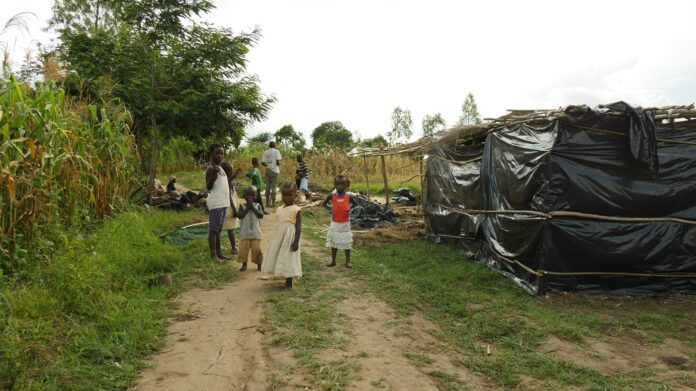


Government has begun a comprehensive review of Botswana’s National Policy on Destitute Persons as part of broader efforts to modernise and strengthen the country’s social protection framework.
Responding to a question in Parliament, the Minister of Local Government and Traditional Affairs, Ketlhalefile Motshegwa acknowledged that the current policy was last reviewed in 2002, following the original 1980 Destitute Policy.
Motshegwa explained, “the review of the revised National Policy on Destitute Persons of 2002 is currently ongoing. This process forms part of Government’s broader efforts to strengthen and modernise the social protection framework in order to ensure that support to vulnerable individuals and households remains relevant, efficient and responsive to current socio-economic realities.”
Once completed, the new framework is expected to improve the delivery of support services while strengthening efficiency, accountability and overall impact within the country’s social protection system.
The Minister indicated that the process is extensive and technical, and will continue into the 2026/27 financial year. This he said, includes wide-ranging consultations with stakeholders, an assessment of how current programmes are performing, and alignment with national development priorities as well as international best practices.
The review is expected to play a critical role in shaping the future of social assistance in Botswana. Most notably, it will inform the development of a comprehensive Social Protection Policy aimed at creating a more integrated, coordinated and sustainable system.
Once completed, the new framework is expected to improve the delivery of support services while strengthening efficiency, accountability and overall impact within the country’s social protection system.
Government says the initiative reflects its commitment to ensuring that no citizen is left behind, particularly those most in need of assistance.
This policy is one of the country’s oldest social safety net programmes which was essentially designed to provide basic support to individuals who are unable to meet their minimum daily needs due to factors such as age, disability, chronic illness, or lack of family support.
Under the policy, registered destitute persons typically receive food rations, a small monthly cash allowance, access to basic shelter, and assistance with healthcare and other essential services. The programme is administered through local authorities, with social workers responsible for identifying and assessing beneficiaries.

The policy has over the years played a crucial role in reducing extreme poverty and ensuring that the most vulnerable members of society have access to basic necessities. It has helped prevent destitution among the elderly, people living with disabilities, and those without family support systems.
Additionally, the programme has contributed to social stability by providing a safety net that reduces inequality and supports dignity among disadvantaged groups. Its long-standing presence also means it is well established and widely recognised across communities.
However, despite its strengths, the policy has faced several challenges over time. One key concern is that the benefits provided are often limited and may not adequately meet the rising cost of living. The food basket and cash allowance, in particular, have been criticised for being insufficient.
There are also issues related to targeting and eligibility, with some deserving individuals reportedly excluded while others may remain on the programme longer than necessary due to weak exit mechanisms. Administrative inefficiencies and delays in service delivery have also been noted.
Furthermore, the policy is considered outdated, as it does not fully reflect current socio-economic realities such as urbanisation, changing family structures, and evolving forms of vulnerability.
These limitations have underscored the need for reform, prompting the ongoing review. The process aims to address existing gaps and transition toward a more modern, inclusive, and coordinated social protection system that better meets the needs of Botswana’s population today.


