
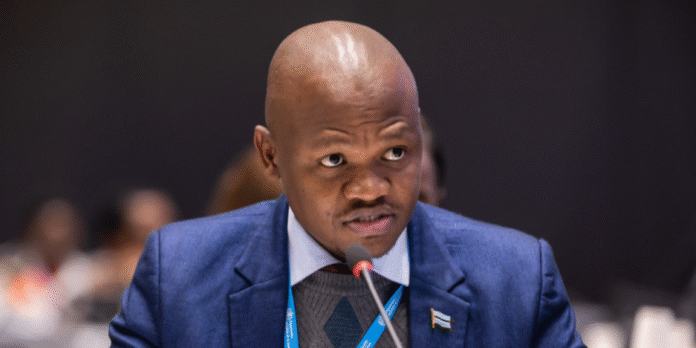


Botswana has recorded a major breakthrough in its battle against Foot-and-Mouth Disease (FMD) with two outbreak zones in the North East District formally closed following successful emergency mass vaccination campaigns.
Minister of Lands and Agriculture Edwin Dikoloti told Parliament on Tuesday that the outbreaks in Zone 3c-Maitengwe and Zone 6b had been successfully suppressed and formally closed with the World Organisation for Animal Health (WOAH).
The development marks a significant step towards restoring Botswana’s livestock trade, which has been battered by FMD outbreaks and restrictions on animal movement.
Dikoloti said Botswana recorded four FMD SAT1 outbreaks during 2026, affecting Zone 6b in the North East, Zone 3c-Maitengwe, Zone 11 covering Goodhope/Borolong, Southern and Gamalete, and Zone 13 in Kgalagadi.
“Both outbreak events have now been formally closed with WOAH,” Dikoloti said. He added that; “This is a significant milestone and demonstrates that determined, science-based interventions can turn the tide against FMD.”
“Both outbreak events have now been formally closed with WOAH,” Dikoloti said. He added that; “This is a significant milestone and demonstrates that determined, science-based interventions can turn the tide against FMD.”
He warned, however, that the closure of the two zones does not mean Botswana is abandoning vaccination.
Targeted vaccination will continue in the North East to maintain herd immunity and protect against possible reintroduction of the virus from neighbouring countries.
The government is also preparing a comprehensive dossier for WOAH seeking recognition of the affected areas as “FMD Free-With-Vaccination” zones.
Such recognition would be critical for Botswana’s livestock industry because it could help reopen international markets for cattle and animal products from disease-free areas.
Despite the progress in the North East, Dikoloti warned that FMD transmission remains active in parts of southern Botswana.
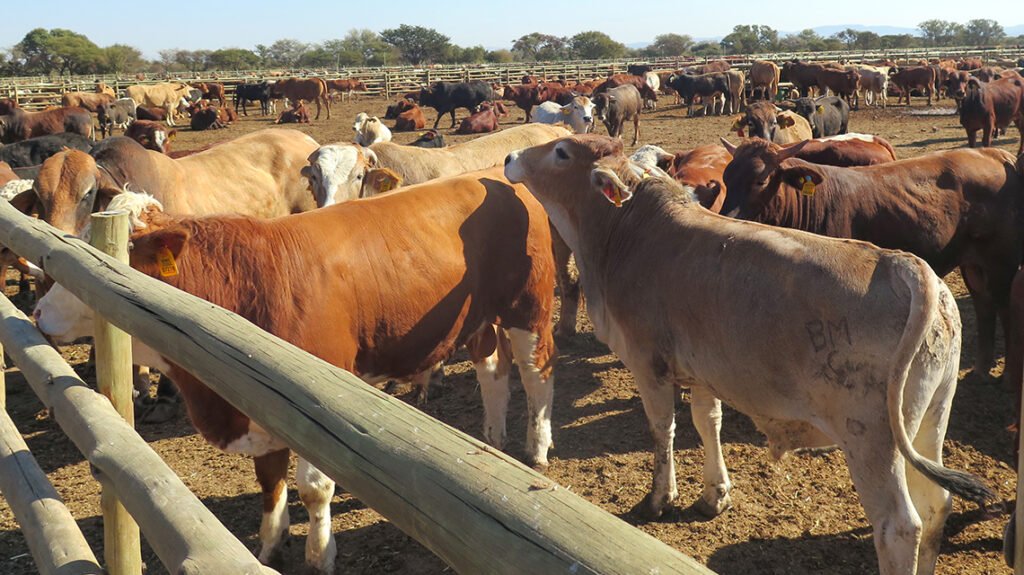
In Zone 11, infections remain concentrated mainly around Phitshane-Molopo and Tshidilamolomo, while some ranches in Zone 13, particularly the Banyana farms, remain affected.
He said the situation in both areas was responding positively to strategic vaccination campaigns targeting high-risk crushes.
“Government remains seized with the situation and continues to intensify surveillance, vaccination and other disease-control interventions,” he said.
The minister warned farmers and communities that unnecessary animal movements and breaches of veterinary cordons could undermine the gains made.
“Every unnecessary animal movement, every breach of a veterinary cordon and every failure to observe prescribed movement controls creates an opportunity for the virus to travel,” he said.
Dikoloti said government is racing to complete an approximately 400-kilometre containment boundary designed to isolate infected areas while protecting disease-free parts of the country.
Dikoloti said government is racing to complete an approximately 400-kilometre containment boundary designed to isolate infected areas while protecting disease-free parts of the country.
The northern boundary stretches from Sakutswane Lands through Mogobane and Ranaka bypasses, across the Kanye and Mmathethe passes, through Tsoaneng and Sekutlhane to Masampa-Verda.
The southern boundary runs along the Botswana-South Africa border from Sakutswane Lands through the Ramotswa/Otse area to Verda.
Dikoloti said the project would be completed by the end of August.
Once the fencing is completed and the Director of Veterinary Services certifies clear separation of livestock populations, Botswana will approach WOAH for international recognition of the containment zone.
The government hopes this will allow livestock from disease-free areas outside the containment zone to regain access to international markets.
“Once approved, this will immediately unlock trade for all disease-free zones outside the contained area, unleashing Botswana beef back into the global market,” Dikoloti said.
The minister acknowledged that the prolonged FMD crisis has imposed a heavy burden on rural households and the wider economy. Restrictions on cattle movements have disrupted farming families who depend on livestock for income, food, school fees and other household needs.
“Lifting movement controls prematurely risks reigniting outbreaks, prolonging trade bans, and undermining the long-term value of our national herd,” he warned.
Village butcheries and regional livestock markets have also suffered from reduced economic activity.
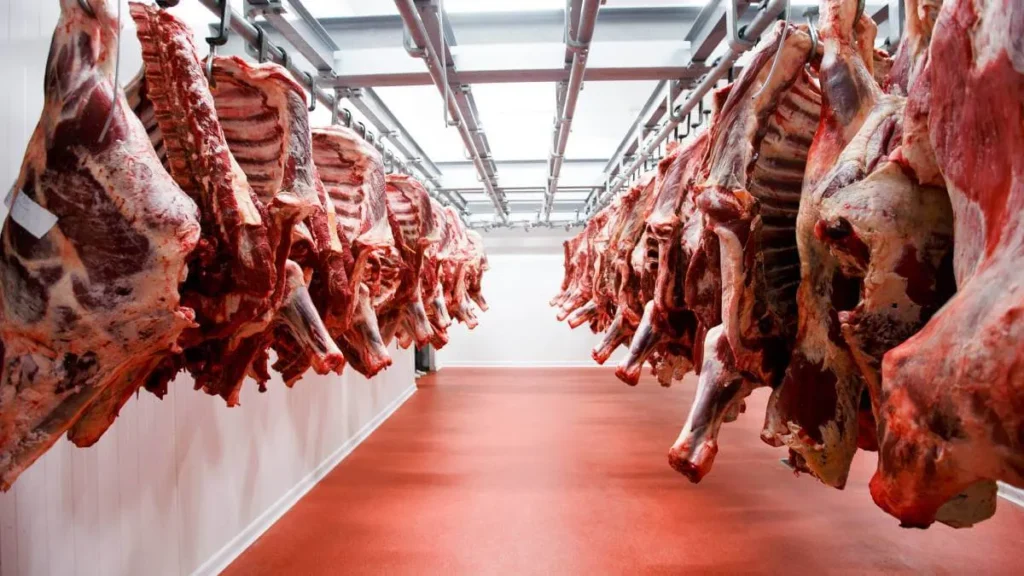
Botswana’s beef exports have also taken a hit, with restrictions affecting access to premium duty-free and quota-free markets, including the European Union and China.
Dikoloti said government had activated a broad recovery programme involving the Office of the President, district authorities, the Botswana Defence Force, Botswana Police Service, traditional leaders, community groups and agricultural unions. The government is also repairing veterinary and international border fences, with more than 1,152 kilometres targeted for restoration.
The minister urged farmers and communities not to push for premature relaxation of restrictions.
“Lifting movement controls prematurely risks reigniting outbreaks, prolonging trade bans, and undermining the long-term value of our national herd,” he warned.
While acknowledging growing frustration among farmers, Dikoloti insisted that Botswana was approaching the “finish line” in its FMD response.


