
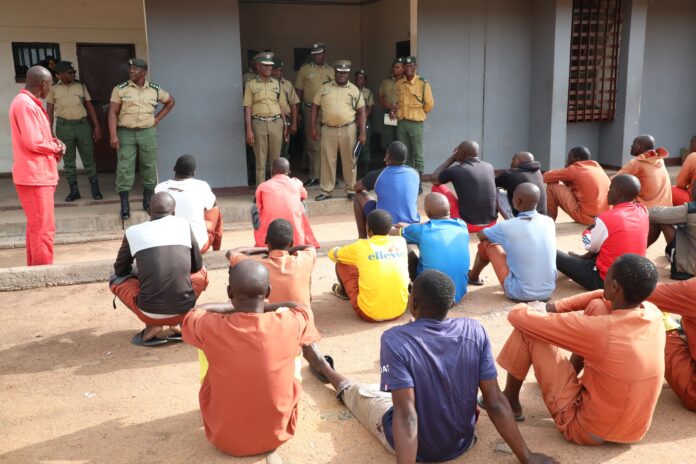


The local prison system is preparing for an institutional shake-up at a time when its facilities are already under strain. Presenting the 2026/27 budget to Parliament, Minister of Justice and Correctional Services Nelson Ramaotwana said the Botswana Prison Service would begin operating independently from the in the next financial year. He said the change is intended “to improve efficiency, strengthen accountability, and enable more focused planning and resource management to enhance service delivery.”
The reform comes as the system faces familiar pressures. There are 22 prisons and one centre for illegal immigrants, with a combined capacity of 4,337 inmates, yet the population recently stood at 4,457. The excess is small, but persistent overcrowding strains resources, and the minister said it “places pressure on our resources and stifles efforts to maintain a humane and rehabilitative environment.”
The Ministry continues to stress that the country’s prison policy rests on rehabilitation rather than confinement. Community reintegration committees, more than 500 across the country, are meant to ease the return of former inmates into society. Of 243 ex-offenders handled during the past year, only eight were readmitted to prison. The ministry said the figures “demonstrate the positive impact of community involvement.
Inside the prisons, vocational training and agricultural production have become central to the model. Hundreds of inmates are enrolled in trade programmes, while prison farms produced more than 110,000 kilograms of vegetables in the past year, supplementing rations and providing skills training.
Inside the prisons, vocational training and agricultural production have become central to the model. Hundreds of inmates are enrolled in trade programmes, while prison farms produced more than 110,000 kilograms of vegetables in the past year, supplementing rations and providing skills training. The minister said the programme is meant to ensure food sufficiency while equipping inmates with “practical hands-on training in farming, animal husbandry and agro-enterprise management.”
The finances tell a more mixed story. Operational spending has been steady, with nearly 96% of the recurrent budget for 2025/26 used by mid-March. Development spending lagged, with only about a quarter of allocated funds spent. The minister acknowledged the shortfall, saying “the performance under the Development Budget was not good, and we commit to improving it in the coming financial year.”
The imbalance will persist. The proposed recurrent budget for 2026/27 rises to about P906.7m, a modest increase of 4.7%. By contrast, development spending will fall to P38.5m, a reduction of 35.9%. Funds will prioritise refurbishment of prison facilities, farming infrastructure and partnership projects, including a proposed rehabilitation centre in Lobatse.
Granting the prison service greater autonomy may help it plan better, but it will not by itself resolve the system’s constraints. Botswana’s prisons are only slightly overcrowded, yet already stretched, and the government is choosing to spend more on keeping them running, and less on rebuilding them. For a system that prides itself on rehabilitation, the risk is not crisis, but slow drift.


