
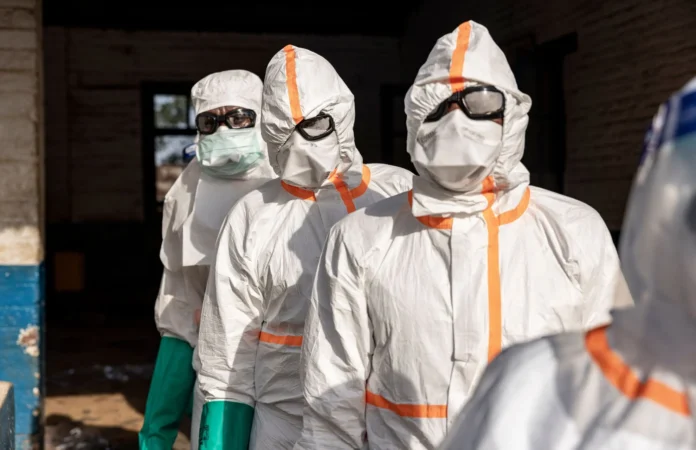


The Ministry of Health has heightened health screening measures at all points of entry across Botswana following recent Ebola Virus Disease (EVD) outbreaks reported in the Democratic Republic of Congo and Uganda.
In a public notice issued Thursday, the ministry said intensified surveillance and screening protocols are now in effect at airports and land border posts as part of efforts to prevent the possible importation of the deadly virus into Botswana.
The measures include temperature checks and symptom screening for all incoming travelers, mandatory travel history declarations, isolation procedures for suspected cases, and compulsory health declaration forms for air passengers.
Ministry of Health spokesperson Dr Christopher Nyanga said the move was a precautionary intervention aimed at protecting public health and ensuring early detection of any potential Ebola cases.
“This precautionary measure is being implemented to protect the health and safety of all citizens and residents of Botswana, as well as to prevent the importation of the virus,” said Nyanga.
He added that the intensified surveillance would also help authorities ensure “early detection and containment of any potential cases.”
The ministry advised members of the public to avoid contact with individuals displaying symptoms associated with Ebola and to immediately report suspicious illnesses to the nearest health facility.
According to the ministry, all travelers entering Botswana will undergo screening for Ebola-related symptoms including fever, headache, muscle pain, weakness, diarrhea, vomiting, abdominal pain and unexplained bleeding.
Travelers will also be required to disclose recent travel history, particularly visits to the DRC, Uganda or any Ebola-affected area within the last 21 days.
The ministry warned that any traveler showing symptoms consistent with Ebola or reporting high-risk contact with infected persons would be immediately isolated and referred to designated health facilities for further assessment, testing and management.
Authorities further announced that all passengers arriving by air will be required to complete health declaration forms before disembarkation.
Botswana has also urged the public to avoid non-essential travel to Ebola-affected regions while maintaining strict hygiene practices such as regular hand washing and the use of alcohol-based sanitizers.
The ministry advised members of the public to avoid contact with individuals displaying symptoms associated with Ebola and to immediately report suspicious illnesses to the nearest health facility.
Nyanga emphasized that cooperation with health officials at all points of entry would be mandatory.
“Failure to comply may result in denial of entry, quarantine, or legal action as provided for under the Public Health Act,” he warned.
The latest move comes amid growing regional concern over cross-border transmission risks following renewed Ebola outbreaks in parts of Central and East Africa.


