



The High Court has ruled in favour of 144 members of the Directorate of Intelligence and Security (DIS) in a long-running dispute with the government over unpaid shift allowances, ordering the state to pay the officers within 30 days.
In a landmark judgment delivered by Justice Dr Zein Kebonang on Friday, the court found that the government, through the Directorate of Public Service Management (DPSM), violated Regulation 9(5) of the 2011 Public Service Regulations by failing to pay the intelligence officers a “shift allowance” despite their long working hours.
The officers, represented by attorney Uyapo Ndadi, argued that the introduction of a two-shift, 12-hour system in 2021 entitled them to the allowance as they worked in excess of eight hours per day. The government, represented by attorney Tshepiso Motlhogelwa from the Attorney General’s Chambers, countered that the officers were already receiving a commuted overtime allowance and therefore could not receive both payments.
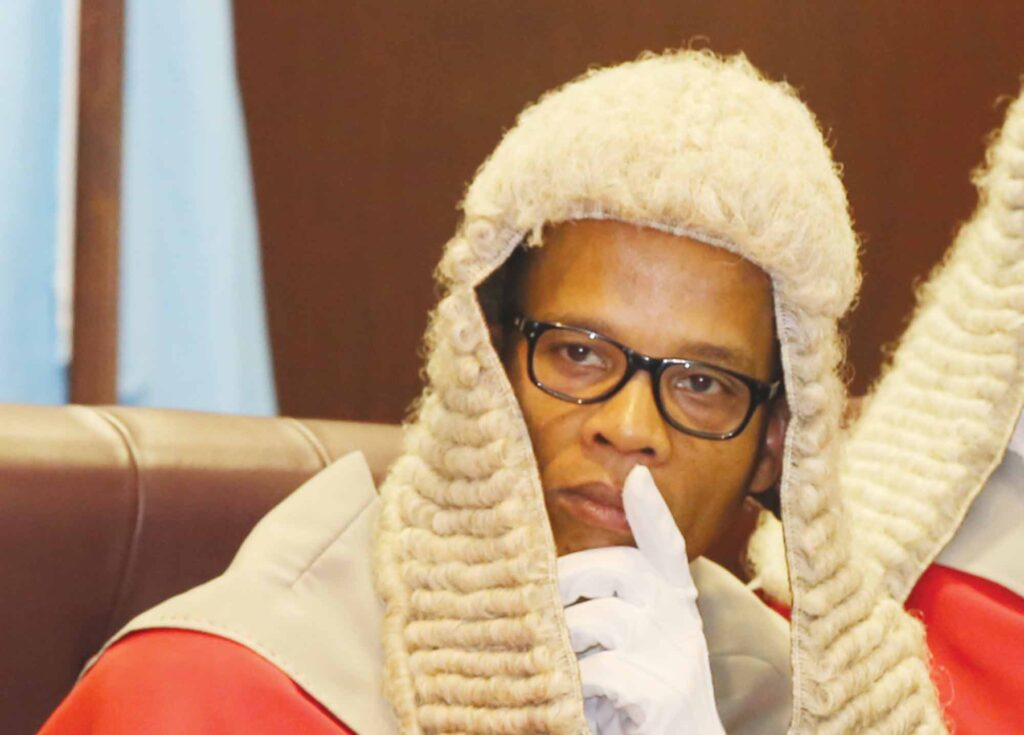
However, Justice Kebonang dismissed the government’s argument declaring that the DPSM’s reliance on a 2000 directive was misplaced and legally irrelevant. The directive, issued more than a decade before the current regulations came into force, had stated that officers receiving overtime payments were not eligible for shift allowances.
“The 2000 directive cannot be used to interpret or clarify regulations that did not exist at the time,” Justice Kebonang said. “It was extrinsic to the 2011 Regulations and therefore has no utility in resolving the present dispute.”
The judge emphasised that Regulation 9(5) was clear and unambiguous, requiring that employees working shifts longer than eight hours “shall be paid” an inconvenience allowance — commonly known as a shift allowance. He added that there was no legal basis to exclude DISS officers from receiving both the commuted overtime and shift allowances.
“The Regulation is as clear as daylight. There is nothing in it that suggests a disjunctive reading or that the payments are alternatives,” Kebonang stated. “To extend the 2000 directive to the 2011 Regulations is to create an unjust and absurd outcome which no reasonable person can accept.”
As a result, the court declared that the state had violated the Public Service Regulations and ordered that all 144 applicants be paid their shift allowances at a rate of 15 percent of their basic salaries, dating back to the time of their engagement. Costs were also awarded in favour of the applicants.


