


Maun- In the Okavango Delta, one of Africa’s most celebrated wilderness destinations, getting a bag of ice to a remote safari camp is often more complicated than it sounds.
Behind the luxury safari experience enjoyed by thousands of visitors each year lies an intricate network of suppliers responsible for keeping camps operational. Among them is Okavango Ice, a Maun-based enterprise owned by entrepreneur Phenyo Fats Monau.
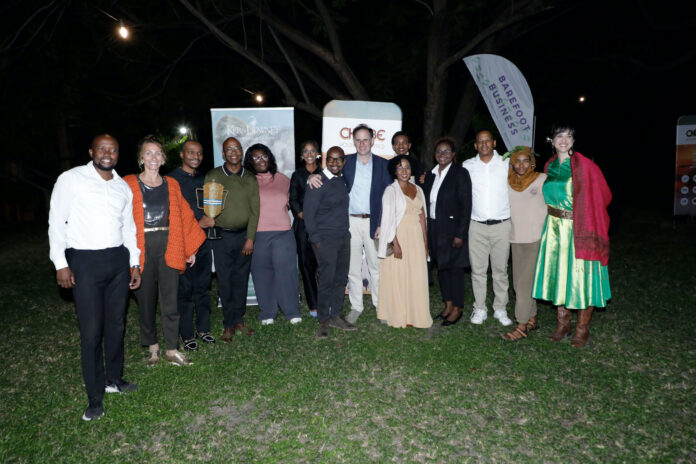
The company, which supplies commercial ice to safari lodges and hospitality operators across northern Botswana, was among the businesses recognised during the recent graduation ceremony of the Maun Business Collective (MBC), a business development programme created through a partnership between Chobe Holdings Limited and Barefoot Business.
Held at Sedia Hotel recently, the graduation ceremony celebrated the completion of a seven-month training programme designed to strengthen small and medium-sized enterprises operating in the North-West District.
For Monau, the programme offered an opportunity to examine the strategic side of a business that occupies a niche but essential position within Botswana’s tourism economy.
Operating from Maun, the gateway to the Okavango Delta, Okavango Ice supplies businesses across an area that includes some of the country’s most remote tourism establishments. The business serves operators that depend on consistent cold-chain support to meet guest expectations and maintain daily operations.
Ice remains a critical operational requirement for safari camps, lodges, mobile operators and hospitality businesses. Maintaining a reliable supply becomes even more important in a region where high temperatures, long transport distances and limited infrastructure can complicate logistics.
Operating from Maun, the gateway to the Okavango Delta, Okavango Ice supplies businesses across an area that includes some of the country’s most remote tourism establishments. The business serves operators that depend on consistent cold-chain support to meet guest expectations and maintain daily operations.
Demand for dependable local suppliers has become increasingly important. Stakeholders have frequently emphasized the need for stronger participation by citizen-owned enterprises within tourism value chains, creating opportunities for businesses capable of meeting commercial standards and service requirements. That challenge was one of the driving forces behind the establishment of the Maun Business Collective in November 2024. The programme combines business training, one-on-one coaching and peer accountability sessions to help entrepreneurs strengthen financial management, operational systems, marketing and long-term planning. According to programme organisers, participants are encouraged to move beyond day-to-day business management and focus on building systems capable of supporting growth. For Monau, that meant examining business planning processes and identifying new opportunities for expansion within a market where reliability can be as important as price.
The latest cohort of the programme brought together entrepreneurs from sectors including tourism, environmental consulting, manufacturing, event management, fashion, water services and agriculture. The diversity of businesses reflected the increasingly interconnected nature of northern Botswana’s economy, where tourism remains a major driver of demand for local products and services.
For businesses such as Okavango Ice, the growth of Botswana’s tourism sector is not only measured by visitor arrivals or lodge occupancy rates. It is also reflected in the opportunities created for local suppliers that provide the products and services keeping the industry running behind the scenes.
While guests may remember the wildlife sightings, luxury tents and sunsets over the Delta, businesses like Okavango Ice are part of the operational network that makes those experiences possible.


