
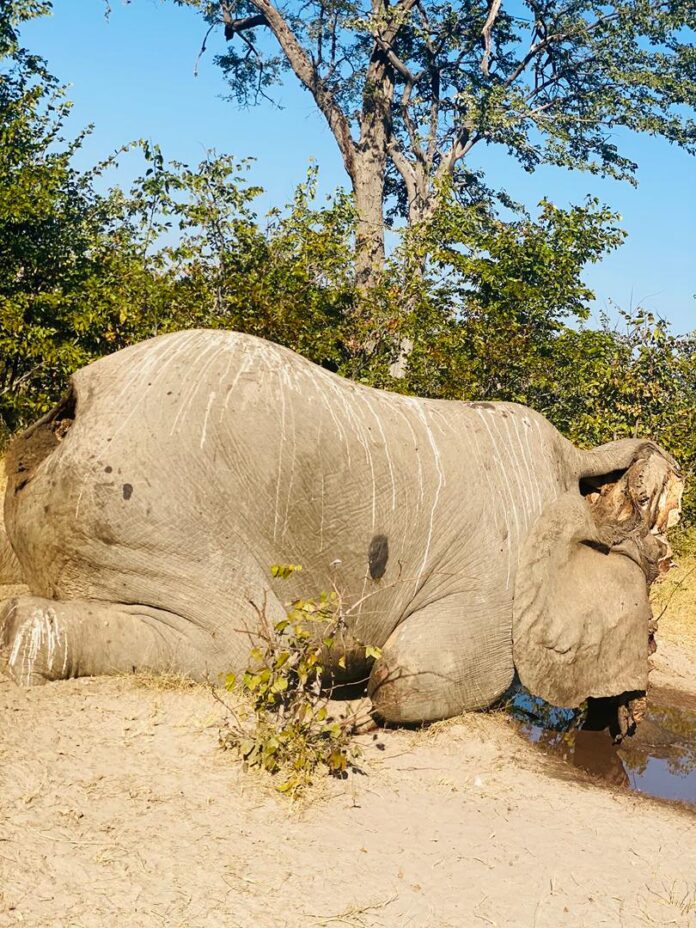


Five elephant carcasses were reportedly discovered by authorities on Monday, 29 June 2026, in the NG16 and NG20 wildlife management areas north of the Okavango Delta, in what is being treated as a suspected ivory poaching incident.
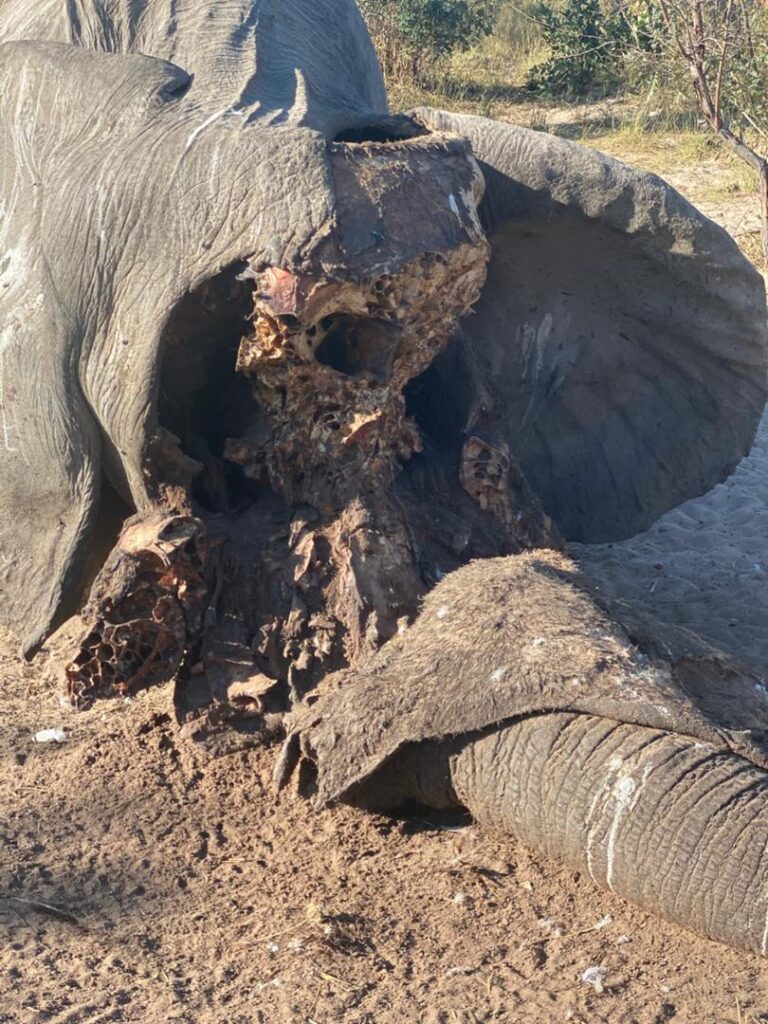
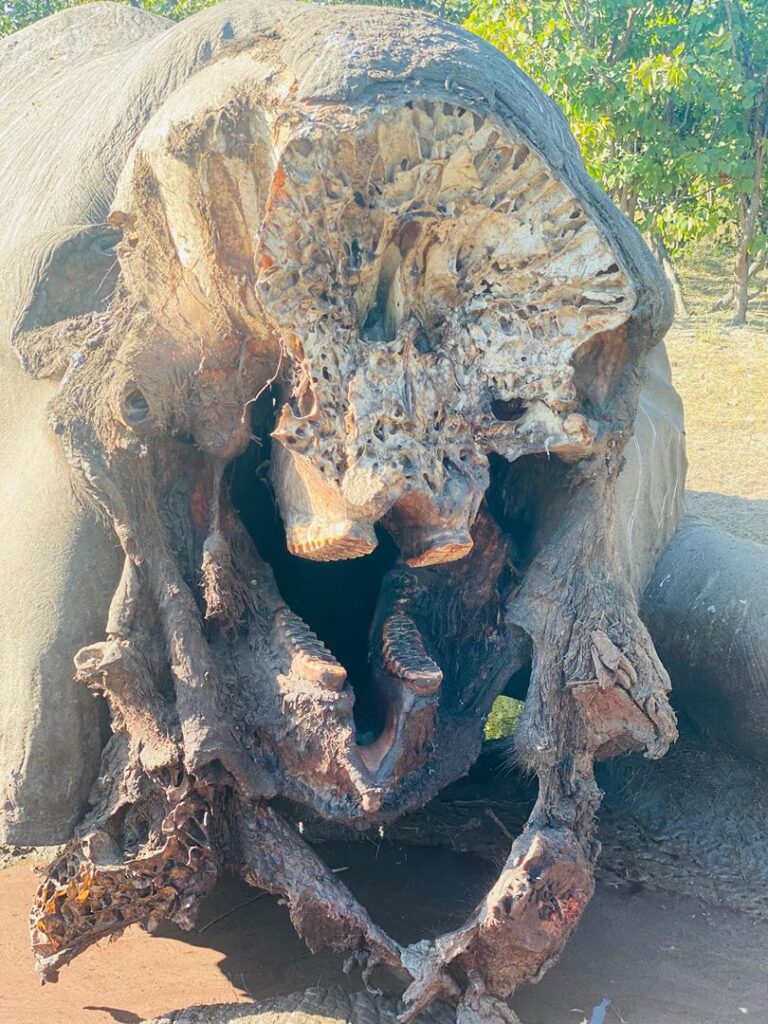
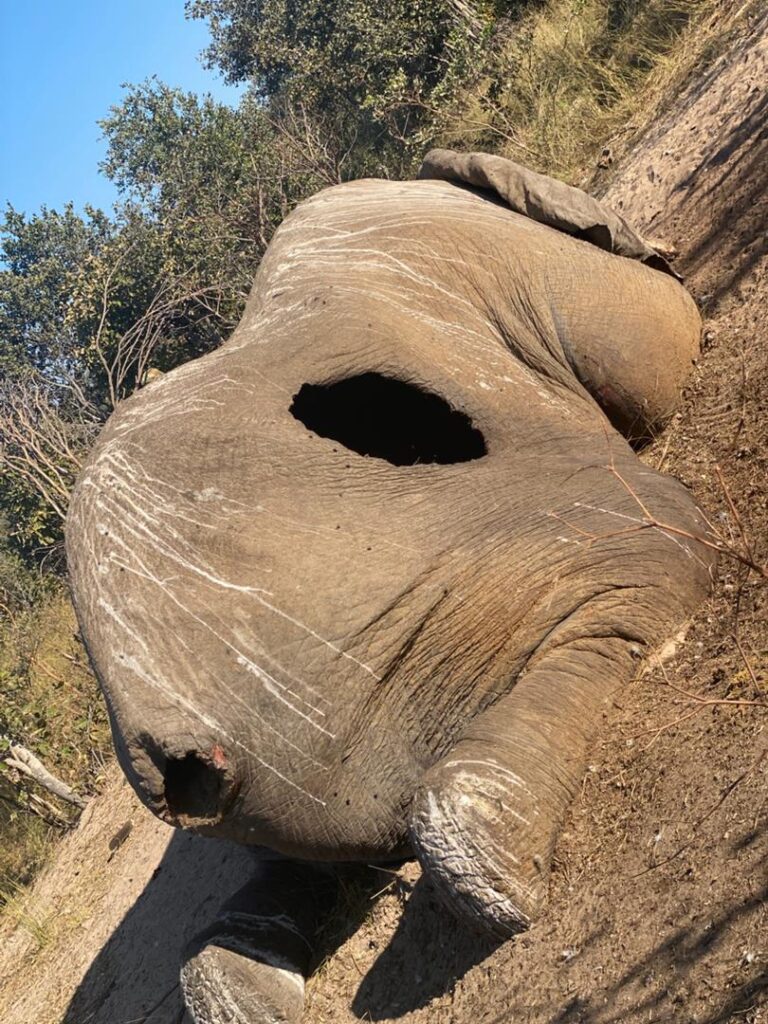
According to information released by conservation sources, the animals were found with injuries consistent with ivory poaching.
“Their skulls had been chopped open for their tusks. Tails had been removed and spinal cords cut,” the sources said.
The discovery comes amid renewed concern about the continued threat posed by ivory poaching in northern Botswana, which is home to the world’s largest elephant population.
Conservationists say poachers allegedly target mature bull elephants carrying large tusks because of the high value of ivory on the black market.
“Ivory poachers target the biggest bull elephants, the very tuskers that define Botswana’s wildlife heritage, support photographic tourism, and bring value to community conservation areas,” conservation sources said.
The latest discovery follows a separate incident last month in which members of the Botswana Defence Force reportedly intercepted suspected poachers carrying 20 tusks believed to have come from recently killed elephants.
The killing of large tuskers is viewed as a significant loss not only for conservation but also for tourism and local economies that depend on wildlife.
“Every tusker killed is more than an elephant lost. It is Botswana’s heritage, reputation, and community income being stolen by criminals,” the sources said.
The latest discovery follows a separate incident last month in which members of the Botswana Defence Force reportedly intercepted suspected poachers carrying 20 tusks believed to have come from recently killed elephants.
“Last month, the BDF intercepted poachers carrying 20 tusks from recently killed elephants,” the sources said.
Conservation groups say the latest carcasses serve as a reminder that ivory poaching remains an active threat despite ongoing anti-poaching efforts.
“These latest carcasses are another reminder that ivory poaching remains an active threat in northern Botswana and demands continued vigilance, intelligence, and rapid law-enforcement response,” the sources said.
Authorities had not yet confirmed the incident at the time of publication.


