


Maun: Botswana’s tourism sector contributed 3.7% of gross domestic product (GDP) and supported about 30,000 jobs in 2024. New Tourism Satellite Account (TSA) data presented this week shows the industry remains an important pillar of the economy.
The figures were presented during a Tourism Statistics and Tourism Satellite Account workshop in Maun and attended by representatives from the hospitality industry, tourism associations, community trusts, NGOs and government agencies.
Consultants leading the presentations said the TSA provides an internationally recognised framework for measuring tourism’s contribution to the economy. It also allows Botswana to compare its performance with other destinations and strengthen policy decisions with reliable data.
According to the 2024 TSA results, tourism accounted for 4% of national employment.
This translates to approximately 30,000 jobs. The accommodation sector was identified as the largest employer within the industry.
Presenters said the sector continues to recover from the impact of Covid-19. However, tourism activity has not yet returned to pre-pandemic levels recorded in 2019.
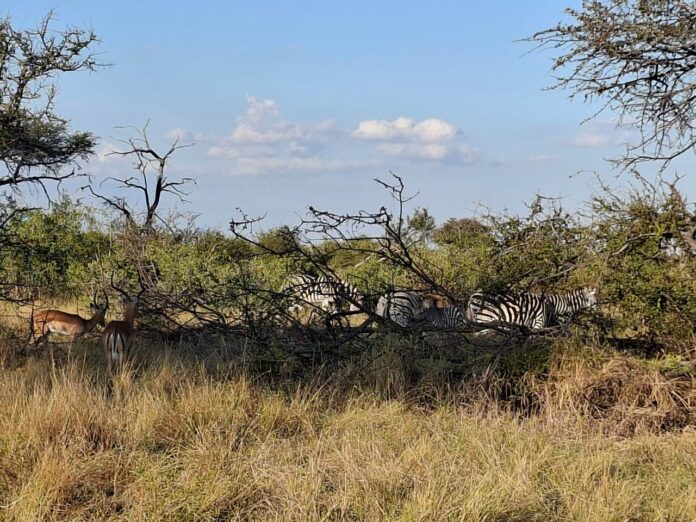
Findings from the Botswana Inbound Visitor Survey showed that wildlife remains the country’s biggest tourism attraction. About 70% of leisure visitors cited wildlife as their primary reason for visiting Botswana.
The workshop also highlighted Botswana’s position as one of the few African countries with up-to-date Tourism Satellite Account data. Officials said this gives policymakers and investors a clearer understanding of tourism’s economic contribution.
Findings from the Botswana Inbound Visitor Survey showed that wildlife remains the country’s biggest tourism attraction. About 70% of leisure visitors cited wildlife as their primary reason for visiting Botswana.
Wilderness experiences and natural scenery were also identified as major draws. Researchers said these remain central to Botswana’s tourism brand.
The survey found that most international tourists from Europe and North America are first-time visitors.
Travellers from neighbouring countries such as South Africa, Namibia, Zambia and Zimbabwe are more likely to be repeat visitors.
Researchers reported high levels of visitor satisfaction. Tourists praised Botswana’s wildlife, tranquillity and the friendliness of local people.
Road infrastructure emerged as a common concern. Participants said poor road conditions could affect visitor experiences and future growth.
The survey found that visitors spend an average of about P1,200 per person per night. Leisure travellers generally spend more than other visitor categories.
Stakeholders were encouraged to explore ways of retaining more tourism spending within local communities.
Increasing local economic benefits was identified as a key policy objective.
Data from Botswana’s T Stats tourism information system showed national accommodation occupancy stood at 26.6% in 2025. Occupancy levels varied significantly across regions and property types.
The accommodation sector continues to provide substantial employment opportunities for citizens. Citizens make up 98.5% of the workforce, while women account for 68.8%.
During the discussion session, stakeholders raised concerns about gaps in tourism data.
They pointed to limited information on meetings, incentives, conferences and exhibitions (MICE), hunting tourism and informal sector activity.
Questions were also raised about the timeliness of tourism statistics. Industry representatives said more regular updates would improve planning and investment decisions.
Presenters acknowledged the challenges.
They said future improvements would focus on capturing more real-time data and strengthening measurement of domestic and informal tourism.
Officials also reminded operators to submit monthly data returns.
They said accurate national statistics depend on industry compliance.
Stakeholders were invited to participate in consultations on the review of Botswana’s Tourism Act of 2009. The review aims to modernise legislation governing the sector.


