


The Botswana government is asking a question that would have seemed almost unimaginable not so long ago: what comes after diamonds?
For more than 50 years, the mineral has been the backbone of the economy, funding public services, infrastructure and one of Africa’s most remarkable development stories. Since production began in 1971, Botswana has produced more than 700 million carats of diamonds, transforming itself from one of the world’s poorest countries into an upper-middle-income economy.
Yet the country’s political and business leadership increasingly recognise that the model which delivered that success may not be enough to sustain it.
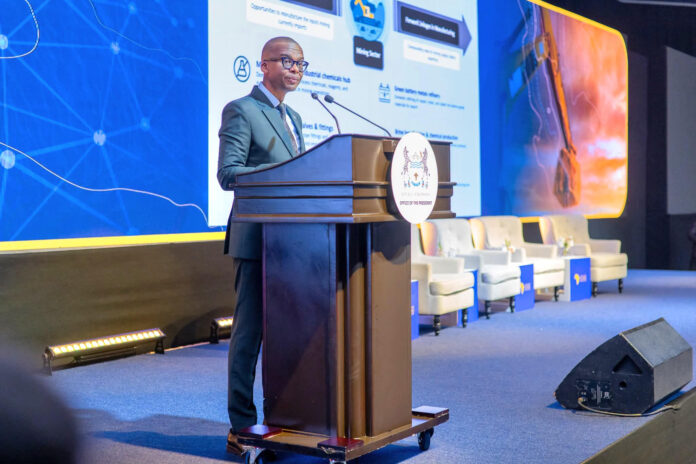
Opening the Future Mining Summit this week, Vice President and Minister of Finance Ndaba Gaolathe laid out an ambitious vision for the mining sector’s future role in the economy. The challenge, he argued, is no longer whether mining can generate wealth, but whether that wealth can be converted into a more diversified and resilient economy.
While diamonds remain its flagship resource, the country also holds significant deposits of copper, nickel, silver, coal and soda ash, resources that are attracting growing investor attention as governments and companies seek to secure future supply chains.
“History is no longer asking whether mining transformed Botswana. It unquestionably did,” Gaolathe told delegates. “The question now is whether the prosperity created by mining can become the foundation of an economy capable of thriving long after the last mineral has been mined.” The speech reflected a growing shift in government thinking as Botswana grapples with weaker diamond demand, changing commodity markets and mounting pressure to create jobs beyond the extractive sector.
At the centre of that strategy is the Botswana Economic Transformation Programme (BETP), a broad development framework that government says will drive investment, industrialisation and employment over the next decade.
Officials have identified 186 projects across mining, energy, manufacturing, agriculture, tourism, infrastructure, financial services and digital technology. Together, the projects are expected to attract more than P500 billion in investment and create over 500,000 jobs by 2036.
The scale of the ambition signals an acknowledgement that Botswana can no longer rely on diamond revenues alone.
Instead, government wants mining to become the catalyst for wider industrial development.
“The true wealth of mining is found in the industries, capabilities and opportunities it creates above ground,” Gaolathe said.
That philosophy represents a significant departure from the traditional model under which mineral-rich countries export raw commodities while importing finished products. Botswana wants to retain more value within its borders through mineral processing, manufacturing, engineering services, research and development, and stronger local supply chains.
The approach is particularly relevant as global demand for critical minerals accelerates. The transition to cleaner energy systems, electric vehicles and advanced manufacturing has sparked an international scramble for minerals such as copper, nickel, manganese and lithium.
Botswana is increasingly positioning itself to benefit from that shift.
While diamonds remain its flagship resource, the country also holds significant deposits of copper, nickel, silver, coal and soda ash, resources that are attracting growing investor attention as governments and companies seek to secure future supply chains.
Yet officials acknowledge that mineral beneficiation alone will not guarantee success.
Industrialisation requires reliable power, transport infrastructure, access to capital, skilled labour and efficient public institutions. The BETP therefore seeks to link mining development with broader reforms across education, healthcare, logistics, energy and digital infrastructure.
The message from government is that mining policy can no longer be viewed in isolation from the rest of the economy.
Investors attending the summit were also given assurances that Botswana intends to preserve the policy stability that has long distinguished it from many resource-rich peers.
The challenge facing policymakers is therefore not whether Botswana should move beyond mining. It is whether mining can become the platform from which the country finally moves beyond dependence on minerals altogether.
“We offer far more than world-class mineral resources,” Gaolathe said. “We offer political stability, sound macroeconomic management, and institutions that have earned international confidence over many decades.”
At the same time, government is moving to overhaul the regulatory framework governing the sector.
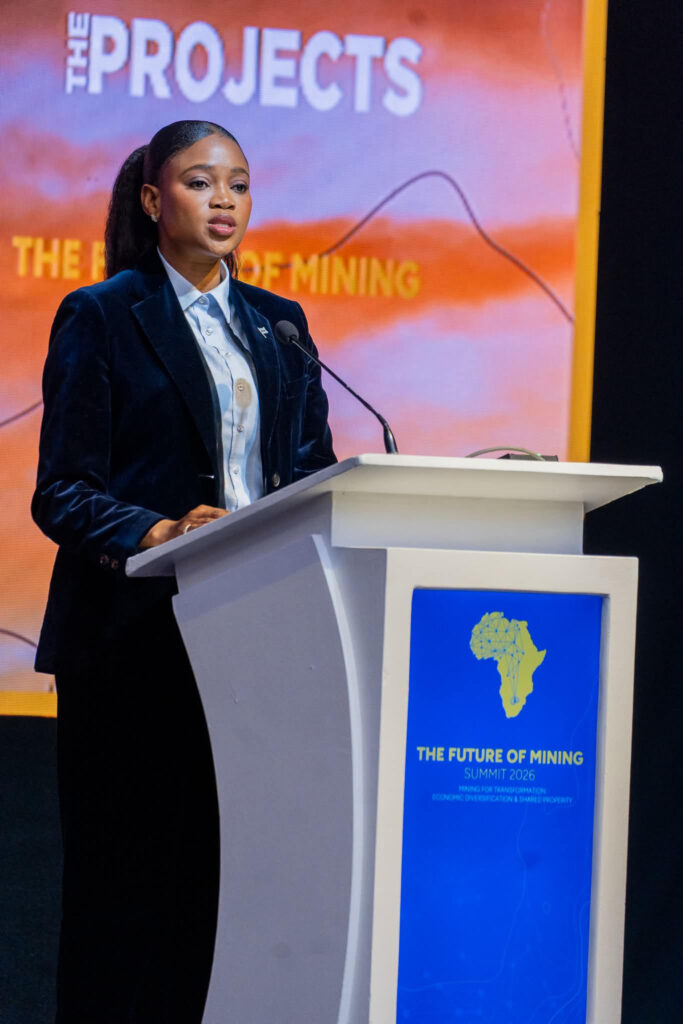
Minister of Minerals and Energy Bogolo Kenewendo said new mines and minerals regulations are being finalised following consultations with industry stakeholders. The regulations are expected to strengthen beneficiation requirements, tighten licensing oversight and expand citizen participation throughout the mining value chain.
The reforms are intended to ensure that future mining growth translates into broader economic participation rather than remaining concentrated within extraction alone.
Underlying the policy announcements was a larger national ambition.
Botswana’s first economic miracle was built on the discovery of diamonds and the prudent management of the wealth they generated. The second, if government succeeds, will depend on whether that mineral wealth can be transformed into globally competitive industries, skilled human capital and citizen-owned businesses capable of surviving long after the country’s mines are exhausted.
The challenge facing policymakers is therefore not whether Botswana should move beyond mining. It is whether mining can become the platform from which the country finally moves beyond dependence on minerals altogether.


