


Having secured diversification of supply sources for fuel, Botswana Energy Regulatory Authority (BERA) intend to accelerate the construction of fuel storages facilities to ensure security of supply.
In the past, Botswana relied on the South African routes to import its fuel needs, but have since added Mozambique and Namibia to the fuel supply sources and routes.
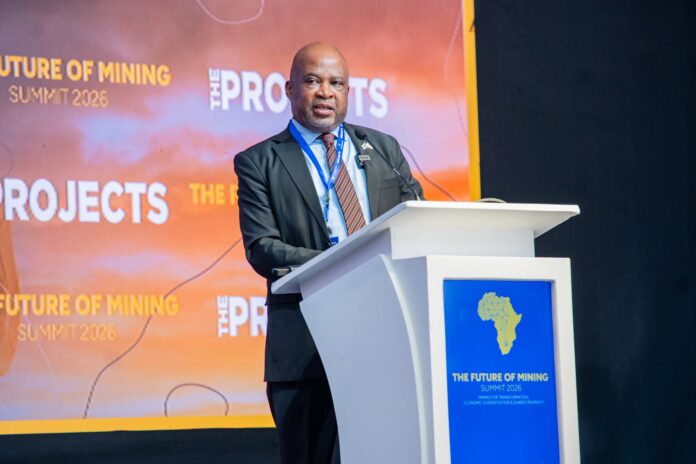
Accoriding to BERA CEO, Dr. Nevah Tshabang, Botswana imports about 1.3 billion litres of fuel in the country with the pricing framework recognizing this supply.
“We usually do a combination of internal fuel pricing based on these routes,” Dr. Tshabang said during his presentation at the Future of Mining summit.
The government is currently expanding the expanding the Francistown bulk strategic petroleum storage depot to increase its capacity from 38 million litres to 98 million litres.
“And also we are mandated to look for other alternative routes and make sure that transport is good. But mainly we bring the products here by road and rail.”
BERA according to Dr. Tshabang, the Authority is also trying to format the product pipelines to be considered by the ministry to bring fuel down to the country through pipelines.
The government is currently expanding the expanding the Francistown bulk strategic petroleum storage depot to increase its capacity from 38 million litres to 98 million litres.
Similarly another fuel depot is undergoing construction in Ghanzi with a storage capacity of 60 million litres and adding 18 days of import cover.
It is hoped that the two fuel storage facilities will come into effect by the end of 2026.
The government is also looking for private companies to partner with the government to develop 171 million litres facility.
Dr. Tshabang said this shows government’s intention to invite the private sector to develop storages for the country.
“Currently for the strategic reserves we have about 60 million litres from Botswana Oil. We also have international oil companies storing about 16 million litres,” he said.
These storages translate to only up to 15 days of import cover.
“We are also trying to invest in energy and trying to create more liquid generation of fuel. This has been in the books for some time,” said Dr. Tshabang.
“So, we are sitting very precariously. We need investments into these storages. And we are going to push and speed the development of the infrastructure that I just mentioned.”
Botswana also has energy transition considerations to diversify its energy like biofuels.
“We are also trying to invest in energy and trying to create more liquid generation of fuel. This has been in the books for some time,” said Dr. Tshabang.
“We are now looking for investors to come and do the coal to liquid transfer so that we reduce dependence on imported fuels.”
Dr. Tshabang also revealed plans to improve regulatory policy framework.
“We have importation mandates. That is, Botswana Oil has been given 90 percent, and the citizen-owned oil companies have 10 percent. So, we have engaged in the review of those mandates,” he said.
It is expected that by July Parliament, the Act will be amended to provide for other regulations.


